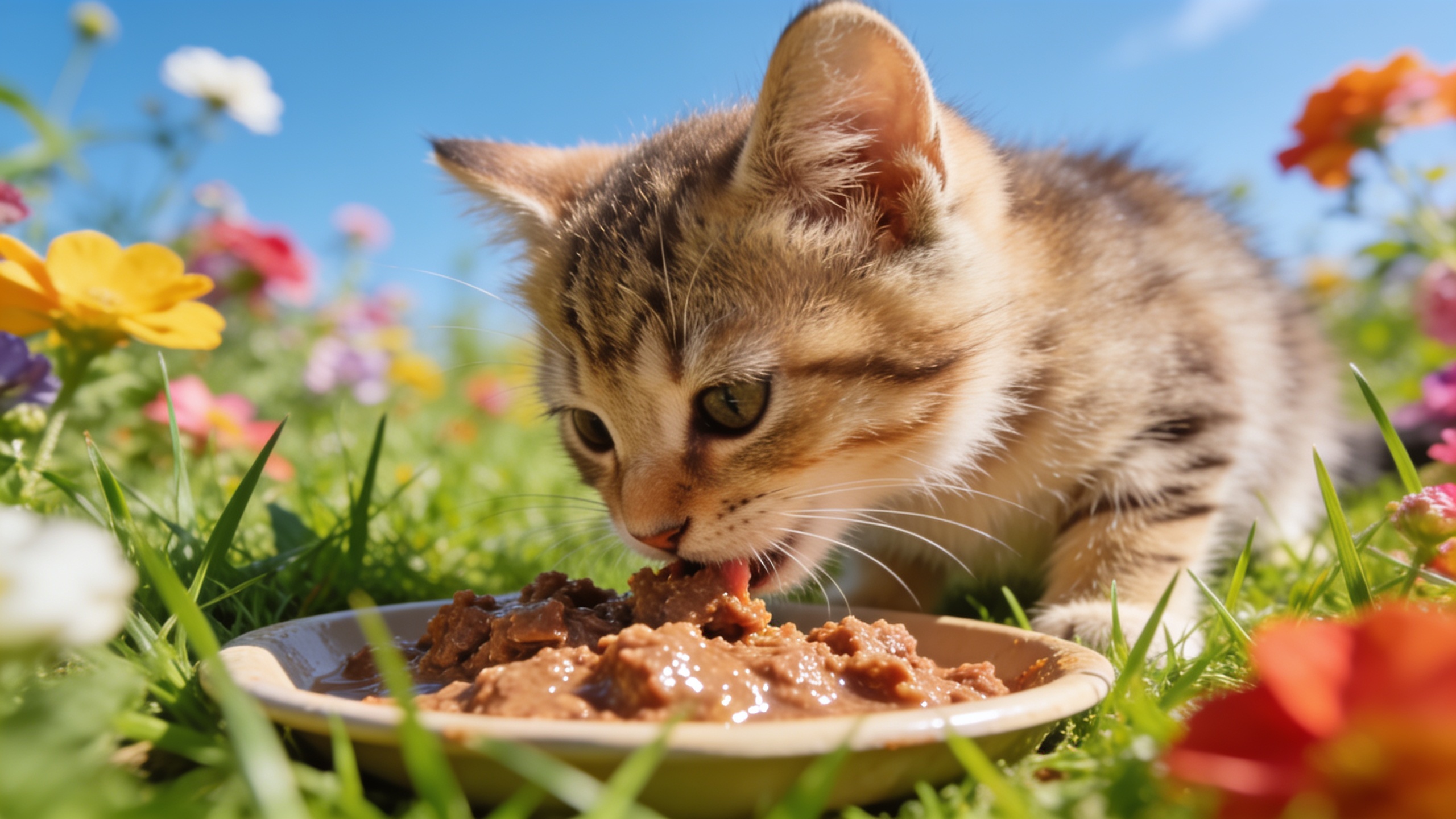
A kitten’s nutrient requirements are not scaled-down adult requirements; rapid growth drives a much higher need for energy, high-quality animal protein, arginine, taurine, arachidonic acid, DHA, calcium, phosphorus, and B vitamins to support lean tissue, retinal development, cardiac function, and skeletal mineralization. Diets labeled for “growth” or “all life stages” are formulated to meet these demands; adult maintenance diets commonly undersupply calories and key amino acids, which can produce poor weight gain, dull coat, delayed musculoskeletal development, and reduced immune resilience. Large-breed or long-bodied cats do not need restricted growth in the way dogs do, but overfeeding still increases adipocyte expansion early in life, which can program lifelong obesity risk through appetite regulation and metabolic set points.
Most kittens do best on multiple small meals because gastric capacity is limited and their glucose reserve is short; 3 to 4 meals daily is physiologically efficient after weaning, with gradual reduction to 2 to 3 meals as the kitten matures. Wet food improves water intake and can reduce urinary concentration, while dry food is calorie-dense and easier to use for measured portions and enrichment; the best choice is often a mixed feeding plan that preserves hydration without sacrificing meal control. Feeding should be based on current body condition, not package directions alone, because caloric density varies widely between products and some kittens are naturally leaner or more athletic.
Rapid diet changes are a common cause of diarrhea, vomiting, and refusal to eat because the gut microbiome and digestive enzyme patterns need time to adapt. Transition over 5 to 7 days, and extend the period if stools loosen. Persistent loose stool, straining, bloating, or a potbellied appearance can indicate parasites, inappropriate lactose exposure, food intolerance, or malabsorption; kittens with these signs need fecal testing rather than repeated diet switching. Cow’s milk is a frequent mistake because many kittens lack enough lactase to digest it, so the sugar load draws water into the intestine and worsens diarrhea.
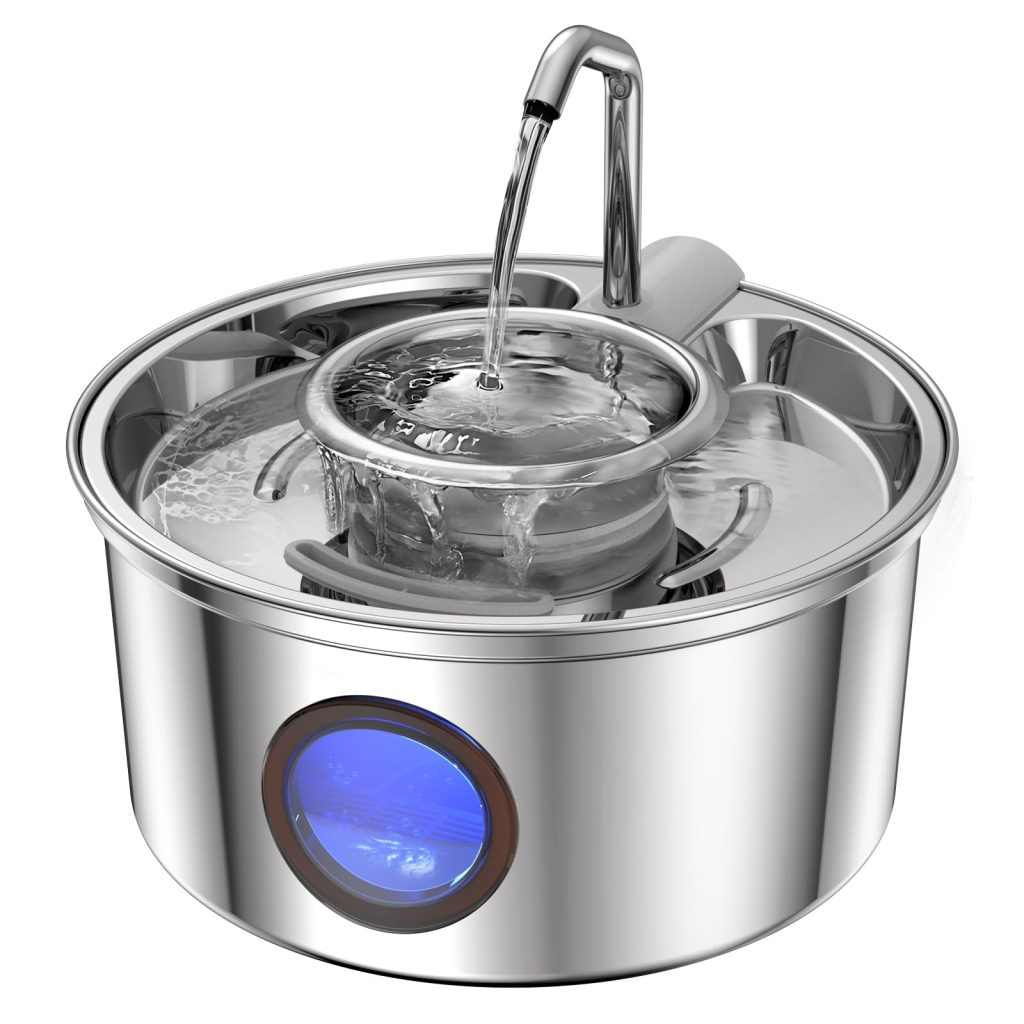
Fresh water must be available at all times, especially for kittens eating mostly dry food. Low intake can concentrate urine and increase the risk of lower urinary tract irritation later in life. Use wide, shallow bowls to reduce whisker stress, place water away from the litter box and food if the kitten avoids the bowl, and consider moving-water fountains if intake is poor. If a kitten drinks excessively, loses weight despite eating, or has a consistently ravenous appetite, screen for intestinal parasites, congenital malabsorption, diabetes, or less common endocrine disease.

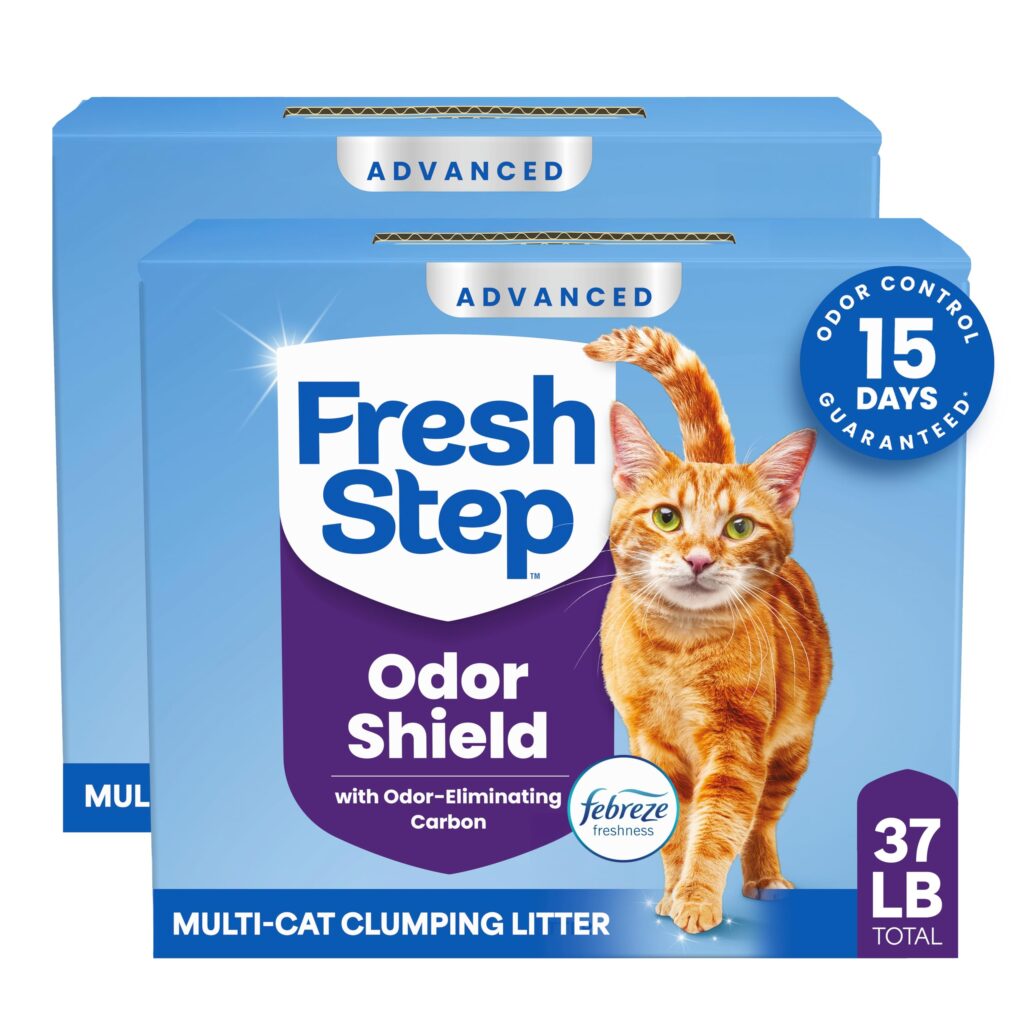
ARM & HAMMER Slide Platinum Easy Clean-Up Clumping Cat Litter, 18 lbs | 24/7 Odor Control, Triple-Action Freshness, Non-Stick, Low Tracking, 99.9% Dust Free, Multi-Cat Formula, Scented
EUR 16.07 (as of October 10, 2026 08:15 GMT +00:00 - More infoProduct prices and availability are accurate as of the date/time indicated and are subject to change. Any price and availability information displayed on [relevant Amazon Site(s), as applicable] at the time of purchase will apply to the purchase of this product.)Treats should remain a small fraction of daily calories because excess snacks displace balanced nutrition and can create selective eating. Use soft, single-ingredient rewards or measured portions of the kitten’s own diet for training and handling exercises. Human foods seasoned with onion, garlic, xylitol, excess salt, or cooked bones are unsafe; onions and garlic damage red blood cells, and bones can perforate or obstruct the intestine. Free-feeding becomes a problem when a kitten grazes beyond satiety; structured meals make it easier to track appetite, detect illness early, and keep body condition in the ideal range where ribs are palpable but not visible.
Feed and monitor by body condition, not by habit:
- Ribs should be felt with light pressure, not sharply visible.
- Waist should be apparent from above without abdominal sagging.
- Track weekly weight in young kittens; failure to gain steadily is a medical clue.
- Sudden appetite drop, especially for more than 12 to 24 hours, is abnormal in kittens and warrants prompt evaluation.
Kittens with brachycephalic facial structure, poor latch, or recent weaning sometimes need a shallower dish, slightly moistened kibble, or a higher-calorie wet formula to maintain intake without fatigue. Orphaned kittens require species-specific milk replacer and precise feeding intervals; improper bottle volume, incorrect nipple flow, or overzealous feeding can cause aspiration pneumonia, abdominal distention, and failure to thrive. For any kitten, the goal is controlled growth: consistent appetite, formed stools, steady weight gain, and a body that develops muscle before fat.
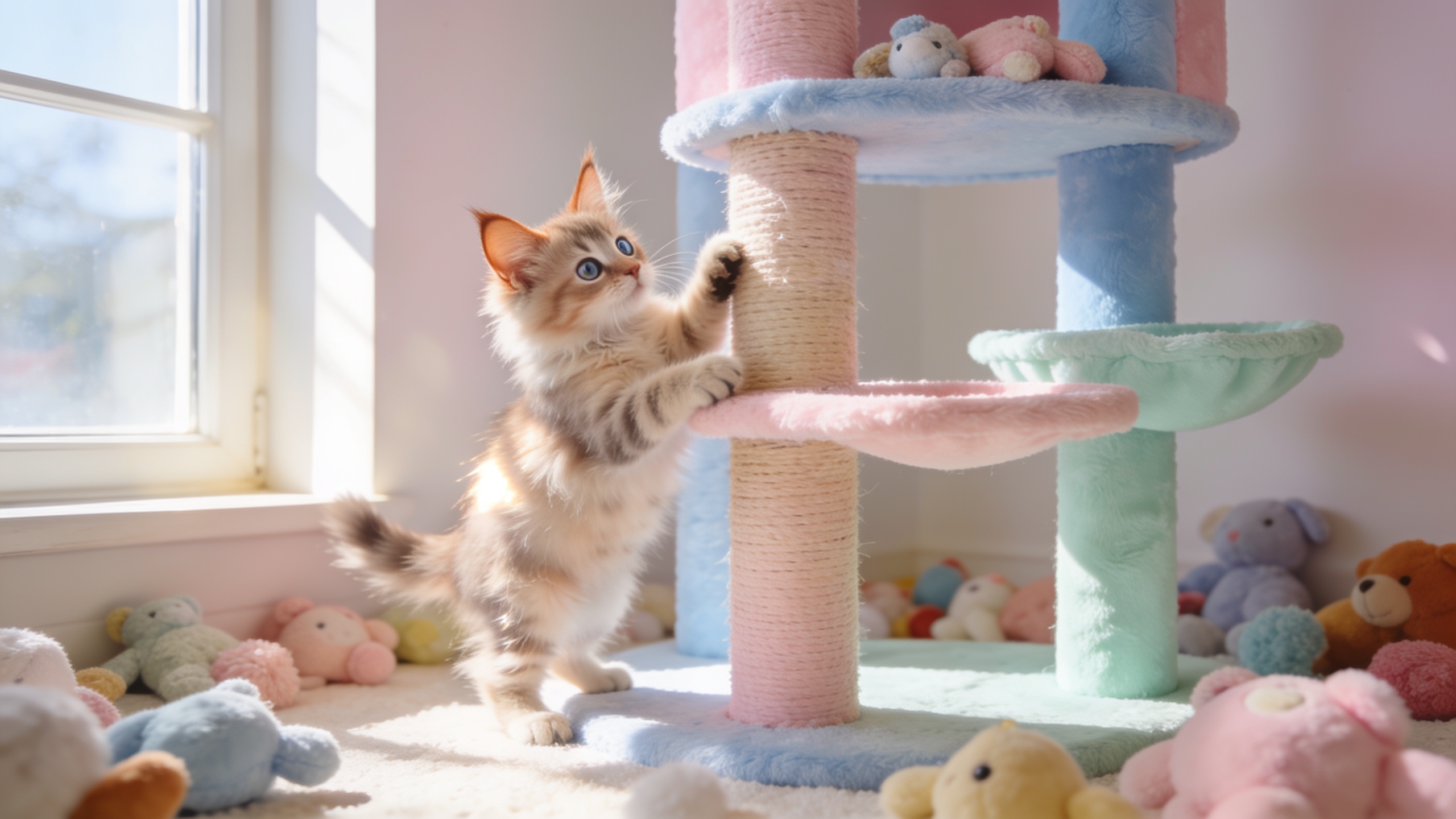
Safety and activity must be engineered together, because a kitten’s drive to climb, pounce, chew, and explore is the same behavior system that can injure it if the environment is poorly managed. Kittens learn through repetitive motor rehearsal, so every unsafe success strengthens the habit: jumping onto counters, tangling in cords, chewing plants, or entering tight spaces becomes self-rewarding because it produces stimulation and escape. Confinement without enrichment increases frustration, vocalization, and inappropriate hunting behavior, while overstimulation without rest can trigger rough play, biting, and poor impulse control. A structured environment channels predatory behavior into acceptable targets and reduces the probability of accidental trauma.
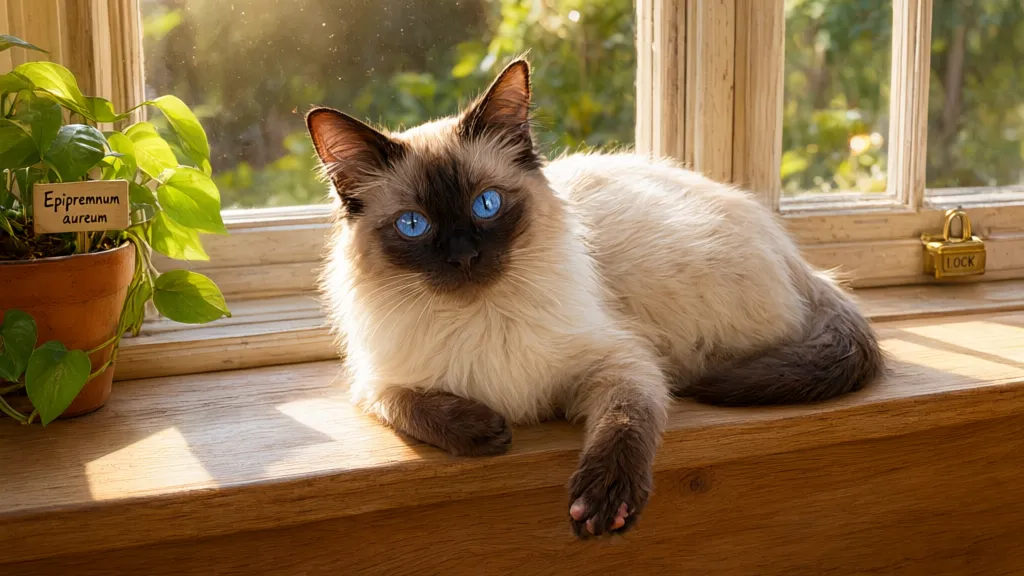
Remove or secure ingestion hazards at kitten level, not adult eye level, because kittens investigate with mouth and claws. Thread, yarn, ribbon, hair ties, rubber bands, gift string, sewing supplies, and tinsel can lodge in the tongue or intestine and create linear foreign body obstruction, which may present as repeated vomiting, drooling, painful swallowing, or a tense, tucked abdomen. Toxic plants such as lilies are emergency hazards even from pollen contamination; sago palm, oleander, dieffenbachia, philodendron, and pothos also pose risk. Keep medications, cannabis products, essential oils, antifreeze, rodenticides, and cleaning agents in closed cabinets, since small ingestions can produce severe neurologic, hepatic, or renal injury.
Electrical cords, blind cords, and charging cables should be hidden or covered because chewing can cause oral burns, arrhythmias, or electrocution. Stove knobs, oven doors, toilets, windows, and recliners are frequent injury sources, and a kitten can disappear into a refrigerator, washer, dryer, or couch mechanism within seconds. Use child latches, close machine doors immediately, and inspect furniture before sitting or reclining. Screens must be secure because a kitten can fall from a height it cannot properly assess; if window access is allowed, use reinforced screening rather than relying on partial opening.
Play should mimic the hunt sequence: stalk, chase, catch, bite, and rest. Use wand toys to create distance between teeth and human hands, then end with a small food reward so the brain completes the predatory cycle and does not redirect onto ankles or fingers. Avoid laser-only play because it provides chase without capture, which can intensify frustration and compulsive scanning; if used, it should finish with a tangible toy or treat that can be caught. Short sessions of 5 to 10 minutes, repeated several times daily, are more developmentally appropriate than one long session and help build coordination, confidence, and muscle tone without overtaxing joints.
Monitor for signs that the environment is too dangerous or too limiting:
- Repeated chewing on cords, fabric, or plastic, which may indicate teething, boredom, or pica.
- Climbing walls, door frames, or curtains, which often means insufficient vertical outlets.
- Hard bites or excessive chasing of hands, suggesting play is too rough or too hand-focused.
- Hiding, freezing, or refusing play, which can signal fear, pain, or illness rather than shyness.
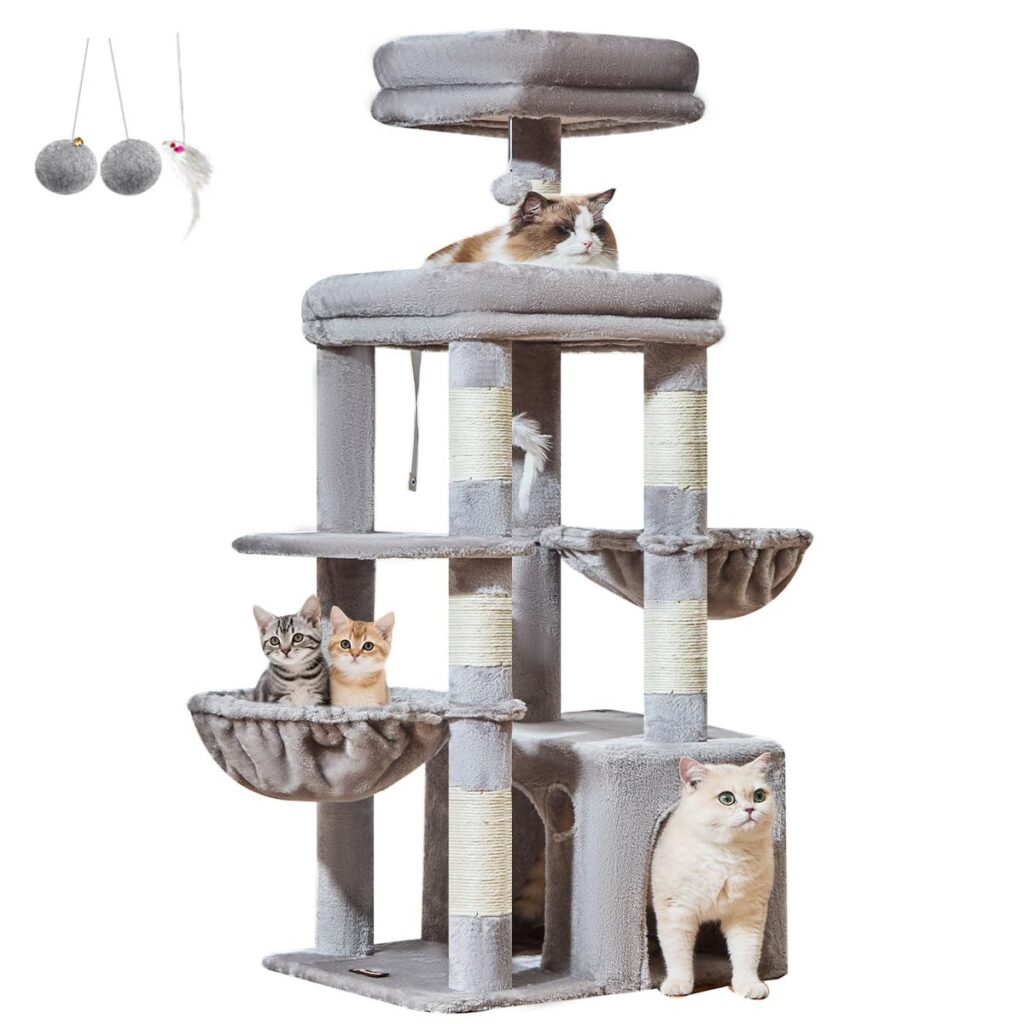
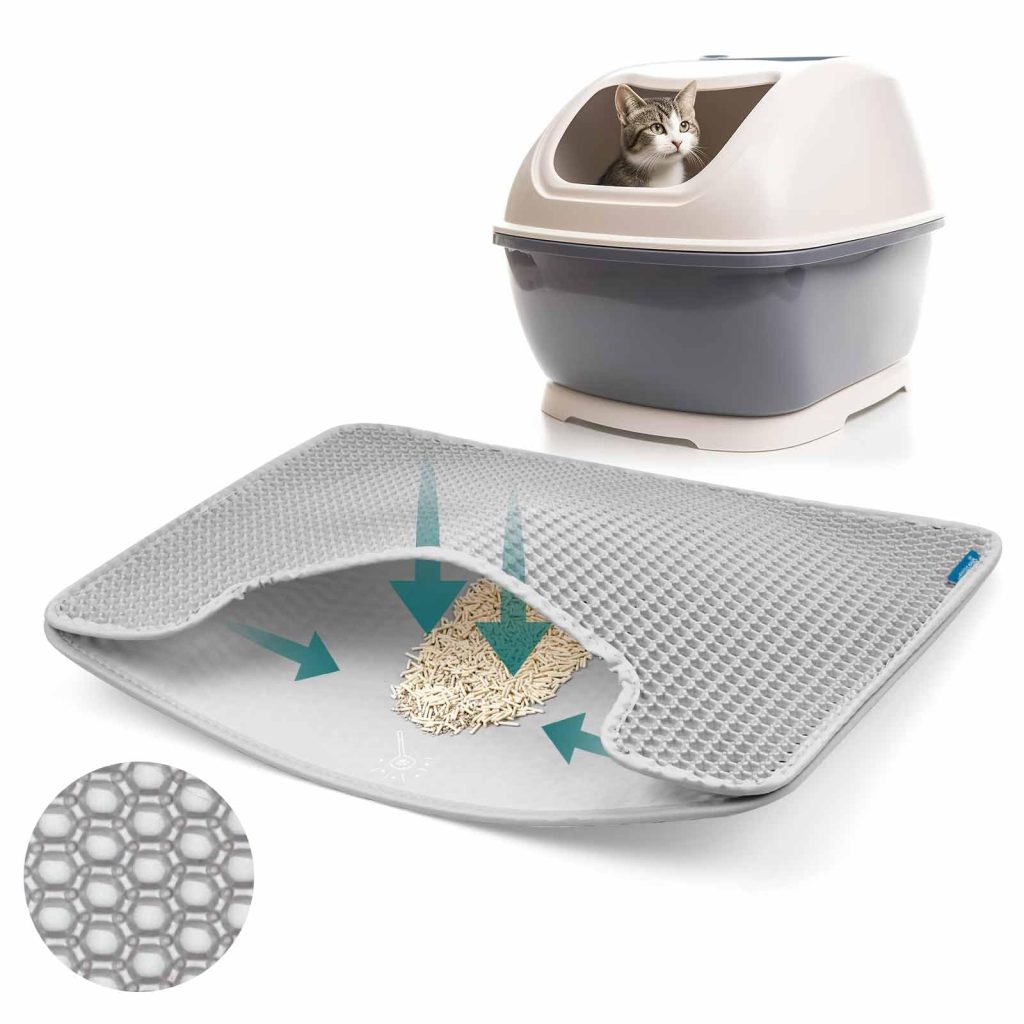
Vertical territory is essential because cats regulate stress by controlling height and sightlines. Provide a stable cat tree, shelves, or window perch with non-slip surfaces so the kitten can observe without panic and practice coordinated jumping. Rest areas should be warm, quiet, and separated from litter and feeding zones; kittens sleep in cycles and require uninterrupted recovery for neurologic development and growth hormone release. Litter boxes should be low-sided and easy to enter so the kitten does not avoid elimination after a bad experience, which can lead to inappropriate urination and retention.
Social safety matters as much as physical safety. Rough handling, forced cuddling, or repeated startling can sensitize a kitten to touch and create defensive biting, especially in early-weaned or undersocialized individuals. Teach handling in brief intervals: paws, ears, mouth, and tail are touched only while the kitten is calm and paired with food, then released before irritation builds. If children are present, supervise all interactions; small fingers move like prey, and high-pitched running can trigger chase behavior. A kitten that has predictable play, controlled exposure, and places to retreat develops steadier arousal control and fewer problem behaviors later in life.