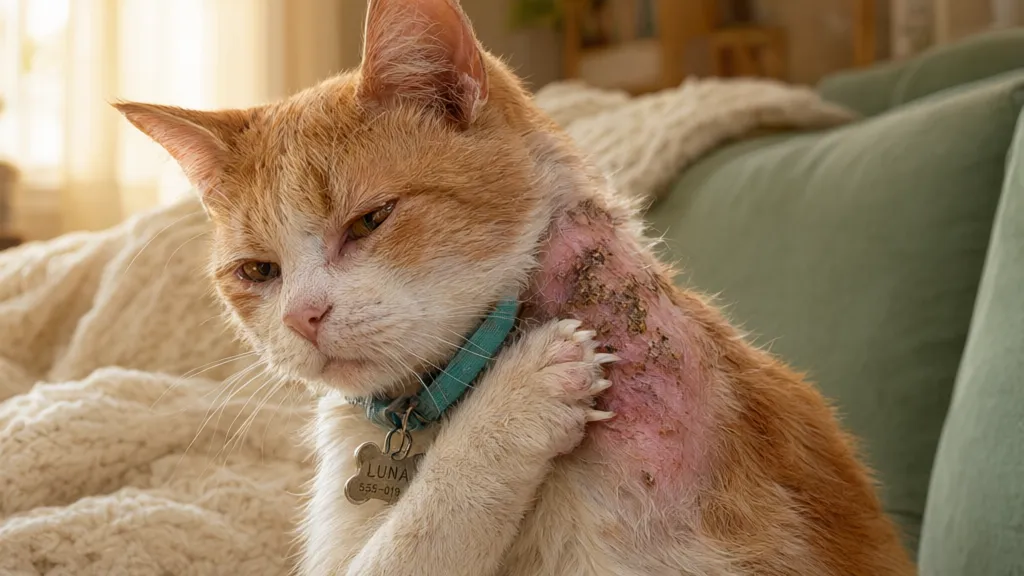
Feline dermatological issues are prevalent and can significantly affect a cat’s quality of life. Notable conditions include allergic dermatitis, which often results from environmental allergens like pollen, mold, or flea saliva. Allergic responses can manifest as intense itching, leading to self-trauma and secondary infections. Diagnosis typically involves identifying the allergen through elimination or intradermal testing.
Fleas are another common cause of skin conditions, with flea allergy dermatitis (FAD) making cats hyperreactive to flea saliva. Symptoms include hair loss, scabs, and significant itching localized primarily at the base of the tail. Regular preventative treatments, such as topical or oral flea control, are critical, as even a single bite can trigger a severe reaction in predisposed cats.
Atopic dermatitis often occurs in younger cats and is characterized by chronic itching and inflammation caused by allergens inhaled or absorbed through the skin. Typical signs include recurrent ear infections, watery eyes, and pododermatitis. Corticosteroids, antihistamines, or immunotherapy may be prescribed based on severity and responsiveness.
Another condition frequently observed is seborrhea, which can either be oily or dry, leading to flaky skin or greasy patches with an accompanying odor. This condition can result from underlying issues like bacterial or yeast infections, hormonal imbalances, or nutritional deficiencies. Treatment may involve medicated shampoos or dietary adjustments to support skin health.

Ring Outdoor Cam (Stick Up Cam), Weather-Resistant Home or Business HD Security Camera, Live View, Color Night Vision, Two-Way Talk, Motion Alerts, Works with Alexa, White
EUR 35.79 (as of October 8, 2026 00:09 GMT +00:00 - More infoProduct prices and availability are accurate as of the date/time indicated and are subject to change. Any price and availability information displayed on [relevant Amazon Site(s), as applicable] at the time of purchase will apply to the purchase of this product.)Dermatophytosis, or ringworm, is a fungal infection primarily affecting cats with compromised immune systems. Characterized by circular patches of hair loss and scaling, this zoonotic condition requires antifungal treatments determined by the severity of the infection. Environmental decontamination strategies are also essential to prevent recurrence.
Neoplasia, though less common, can manifest as skin lumps or lesions in older cats. Tumors can be benign or malignant, so prompt veterinary evaluation is important for any new growth to diagnose and treat appropriately. Surgical removal or further oncological intervention may be necessary depending on the diagnosis.
Other conditions include pyoderma, characterized by bacterial infections often secondary to self-trauma or other underlying dermatological issues. The presence of pustules, crusty lesions, or sensitive areas warrants a thorough veterinary assessment and potentially antibiotic therapy.
Recognizing early signs such as excessive grooming, scratching, or changes in the coat’s texture and appearance can lead to timely interventions. Regular veterinary check-ups, coupled with a proactive approach to flea, parasite control, and proper nutrition, are vital in managing and preventing skin conditions in susceptible cats.
Causes of Skin Issues
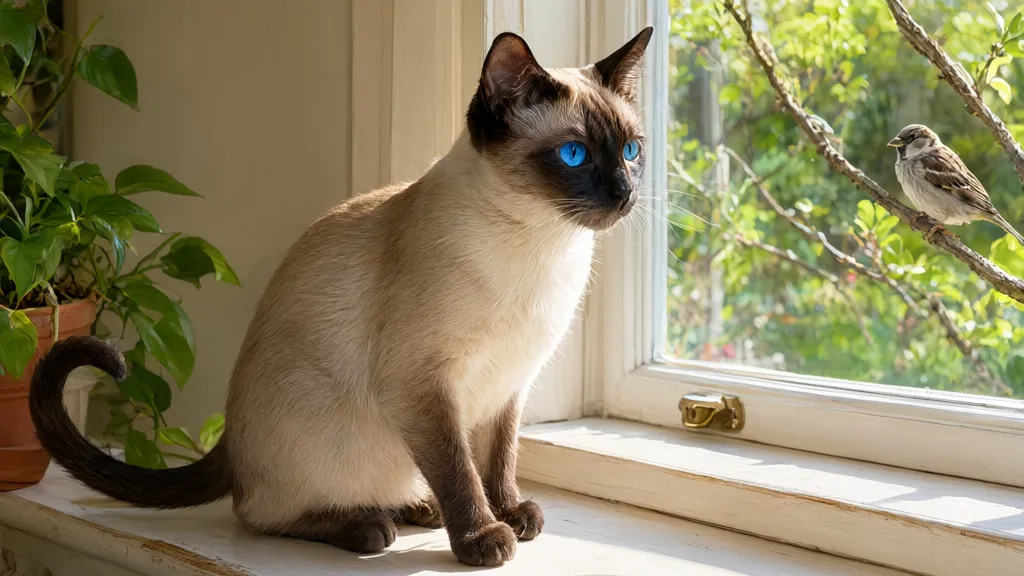
Multiple factors contribute to skin issues in cats, often involving a complex interplay between genetic predisposition, environmental influences, and nutritional status. Genetically, certain breeds are more prone to specific skin disorders; for instance, the Siamese and Burmese are susceptible to allergies, while breeds like the Maine Coon may experience conditions like seborrhea due to inherent skin characteristics.
Environmental factors are significant contributors, including exposure to allergens such as dust mites, pollen, and mold, which can exacerbate atopic dermatitis. Indoor cats are often exposed to a more concentrated level of these allergens, resulting in chronic skin issues, whereas outdoor cats may encounter a wider array of irritants and parasites. The presence of fleas, ticks, or mites can not only trigger allergic responses but also lead to secondary infections if left untreated.
Stress is another underlying cause that can precipitate or worsen dermatological problems in cats. Situational changes such as moving, the introduction of new pets, or alterations in household dynamics can lead to behavioral changes like increased grooming or aggression, which contribute to skin irritation or lesions. Cats may also develop psychogenic alopecia, wherein excessive grooming is a response to anxiety rather than an underlying medical condition.
Nutritional deficiencies play a pivotal role in skin health. Diets lacking in essential fatty acids, vitamins, and minerals can compromise the integrity of the skin barrier, making cats more susceptible to infections and irritations. For instance, an inadequate level of Omega-3 and Omega-6 fatty acids can lead to dry, flaky skin or exacerbate existing conditions like seborrhea. Conversely, excessive dietary protein or specific allergens could trigger adverse reactions manifesting as skin lesions or pruritus.
Underlying health issues such as endocrine disorders (e.g., hyperthyroidism or Cushing’s disease) can also manifest through skin symptoms. Hormonal imbalances disrupt normal skin function and can lead to excessive oil production or hair loss. Regular veterinary evaluations can help identify these underlying conditions early, allowing for more effective management strategies.
Lastly, poor grooming practices, either due to lack of regular brushing or neglecting dental hygiene, can result in mats and debris buildup, potentially leading to skin irritation or infections. Cats with mobility issues or overweight individuals may not groom effectively, necessitating human intervention to maintain skin and coat health. Recognizing these causes can facilitate early intervention and tailored treatment plans to preserve feline well-being.
Effective Remedies and Treatments
Effective treatment for skin conditions in cats hinges on accurately identifying the underlying cause, as this influences the approach to management. For allergic reactions, appropriate strategies include corticosteroids or cyclosporine to alleviate inflammation and suppress the immune response. Antihistamines may provide relief, but their efficacy can vary. For severe allergic dermatitis, immunotherapy may be a long-term solution, gradually desensitizing the patient to the specific allergens through controlled exposure.
In cases of flea infestations, prompt administration of comprehensive flea control products is essential. This includes both topical and oral options, which should be chosen based on the cat’s health status and lifestyle. Environmental treatment is equally critical; thorough cleaning and the use of flea sprays or foggers can help eliminate fleas from the home, disrupting the lifecycle of the pest and reducing re-infestation risks.
For atopic dermatitis, the implementation of a hypoallergenic diet can be beneficial. This dietary adjustment aims to minimize potential food-related allergens, which can exacerbate skin issues. Regular veterinary consultations for skin testing may determine specific sensitivities, guiding more personalized nutrition plans. Specialized shampoos containing soothing ingredients such as aloe vera or oatmeal can be adjunctive, providing immediate relief and aiding in skin barrier restoration.
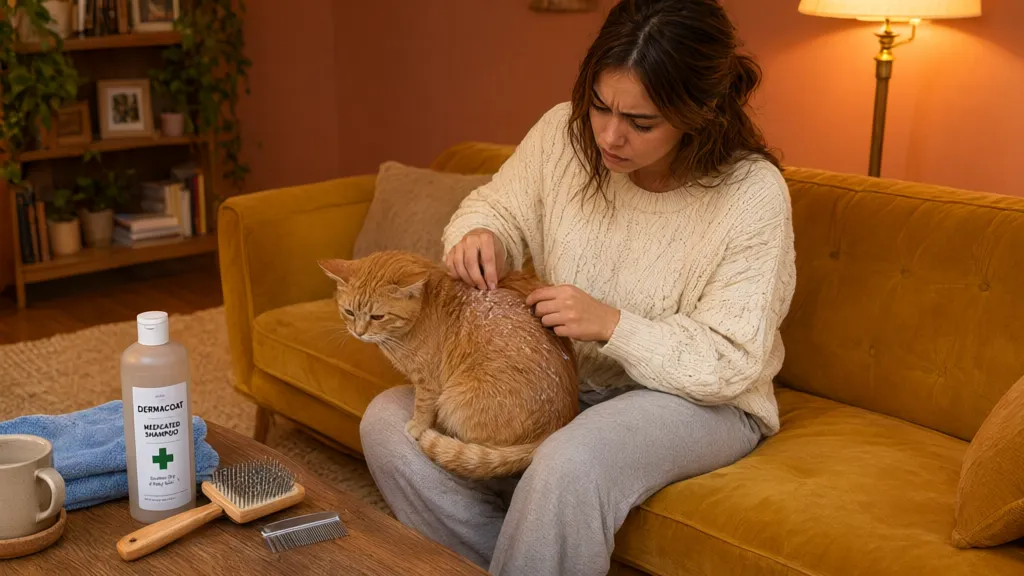
When dealing with seborrhea, identifying the type (oily or dry) dictates treatment selection. Medicated shampoos containing sulfur, salicylic acid, or benzoyl peroxide are often employed for oily seborrhea, while dry seborrhea may benefit from fatty acid supplementation or specific nutrient-dense diets to restore moisture levels. Regular bathing tailored to the cat’s condition can help manage flaking and odor associated with seborrheic skin.
Dermatophytosis requires targeted antifungal therapy, typically in the form of oral medications, topical treatments, or a combination of both, depending on the infection’s severity and the cat’s overall health. Additionally, rigorous cleaning of the environment to remove spores especially important, as ringworm can persist on surfaces, posing risks for both the cat and household residents.
For neoplastic conditions, surgical assessment and histopathological evaluation are essential to ascertain tumor behavior. Benign tumors may warrant observation, while malignant lesions often necessitate surgical intervention and potential adjunctive therapies such as chemotherapy or radiation, depending on individual case evaluations.
In instances of bacterial pyoderma, establishing an antibiotic regimen based on culture and sensitivity testing is vital. This ensures the most effective targeted therapy and aids in reducing the risk of antibiotic resistance. At the same time, addressing underlying issues, such as stress-induced trauma or allergies, is important for reducing recurrence rates.
In every treatment approach, close observation of the cat’s response is necessary to adapt protocols. Ongoing communication with a veterinary professional is essential for monitoring progress and modifying interventions as needed to optimize skin health and overall well-being.
Prevention Tips for Healthy Skin
Maintaining healthy skin in cats requires a proactive and multi-faceted approach tailored to individual needs. Regular grooming is a pivotal practice that helps remove loose fur, debris, and dander, promoting skin health. For cats with longer coats or specific breeds prone to skin issues, frequent brushing can prevent matting and reduce the risk of skin irritation.
Environmental controls are crucial in preventing skin disorders. Maintaining a clean home by vacuuming regularly and using air purifiers can minimize allergen exposure. For cats with atopic dermatitis, limiting outdoor access during high pollen seasons may also reduce the risk of flare-ups. Ensuring a stress-free environment plays an equally essential role; using pheromone diffusers may alleviate anxiety and minimize behavioral responses leading to skin damage.
A balanced diet rich in essential fatty acids, such as Omega-3 and Omega-6, is vital for skin health. Ingredients like fish oil or supplements designed for skin support can enhance the skin barrier function, reducing susceptibility to irritants and infections. Avoiding high-carbohydrate diets or low-quality proteins helps prevent allergic responses, as dietary sensitivities can manifest as dermatological issues.
Regular veterinary check-ups facilitate early detection of potential skin issues or underlying conditions. Vaccinations and routine health assessments ensure that both environmental and health-based risks are managed effectively. Additionally, maintaining parasite prevention protocols through regular use of flea and tick treatments contributes significantly to skin health by averting infestations that exacerbate dermatological conditions.
Introducing supplements like probiotics can improve gut health, which is directly linked to skin condition. A balanced gut flora can bolster the immune system’s ability to combat skin infections and promote a healthy inflammatory response. Observing dietary changes’ impact on skin conditions provides valuable insights into potential food sensitivities, aiding in crafting a more appropriate diet over time.
Monitoring changes in behavior or coat condition allows for early intervention. Signs such as increased scratching, hair loss, or skin lesions should prompt immediate veterinary evaluation. It especially important to address any changes swiftly, as delays can exacerbate underlying issues and complicate treatment efforts. Implementing these preventive strategies creates a more resilient feline immune response and promotes long-term dermal health.
Education about breed-specific vulnerabilities equips cat owners with the knowledge necessary to anticipate potential skin issues. For example, some breeds known for their sensitive skin may benefit from tailored grooming techniques or specialized diets. Adapting care practices based on individual physiological needs supports the overall health and well-being of the feline patient.