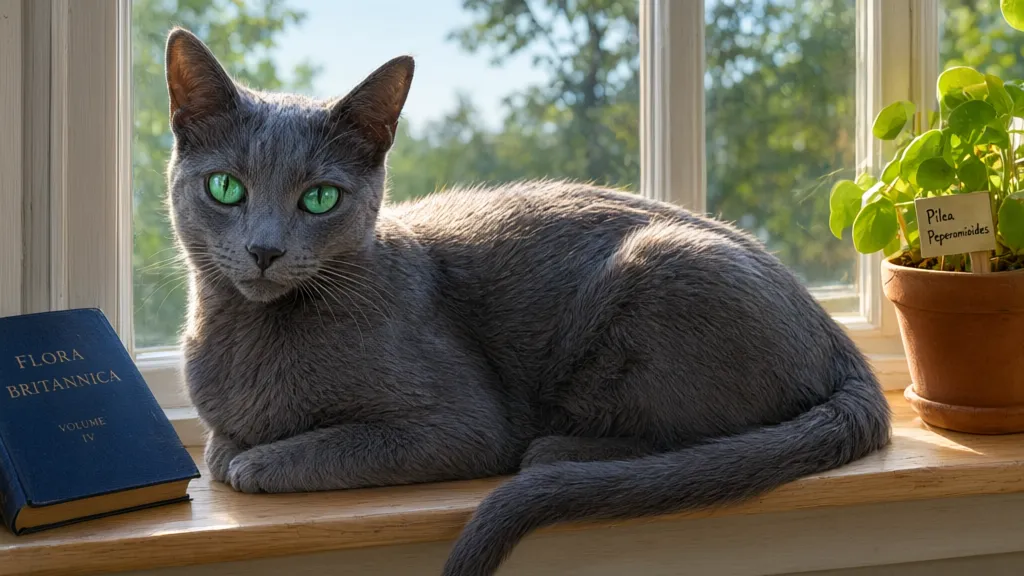
The Russian Blue, a breed distinguished by its striking blue-gray coat and vivid green eyes, has origins steeped in mystique and historical significance. Its lineage is believed to trace back to the Archangel Isles in Russia, where these cats were originally admired for their hunting abilities. The breed’s early associations with Russian nobility led to its protection and selective breeding, setting it apart from other felines. Its introduction to Europe, particularly during the 19th century, coincided with maritime trade, where Russian sailors brought the cats aboard ships, thus popularizing them in Western countries.
Genetic studies indicate that the Russian Blue shares a close relationship with the British Shorthair and the Chartreux, suggesting historical crossbreeding during the breed’s development. The unique double coat of the Russian Blue, characterized by a dense undercoat and a soft, plush outer layer, is attributed to a specific gene mutation, which not only serves as insulation against cold climates but also contributes to the cat’s hypoallergenic properties. This feature is particularly relevant for individuals with sensitivities, as this breed produces lower levels of the Fel d 1 protein, a common allergen found in feline saliva.
Throughout the 20th century, the Russian Blue’s popularity waned and waxed in relation to historical events, including World Wars that disrupted breeding programs and resulted in significant population declines. Post-war recovery efforts, including the establishment of breed standards by organizations like The International Cat Association (TICA) and the Cat Fanciers’ Association (CFA), spurred a resurgence of interest and the establishment of modern breeding practices. These standards emphasize not only physical traits but also health screenings to ensure genetic diversity and mitigate the effects of inbreeding.
Historically, Russian Blues have been linked to folklore, often depicted as mystics or companions to royalty. Their perceived connection to good fortune made them sacred companions in various cultures, and this perception likely assisted their acceptance in households across Europe and the Americas. Observationally, many owners report a tendency of Russian Blues to form strong bonds with their human families, exhibiting behaviors that reflect loyalty and a preference for structured social interactions.

Now retrieving an image set.
Purina Tidy Cats 24/7 Performance Clumping Cat Litter, 16 lb Bag | Clean Linen scent with 24/7 slow-release deodorizer in a smaller, easy-pour size
EUR 10.84 (as of September 15, 2026 08:41 GMT +00:00 - More infoProduct prices and availability are accurate as of the date/time indicated and are subject to change. Any price and availability information displayed on [relevant Amazon Site(s), as applicable] at the time of purchase will apply to the purchase of this product.)The evolutionary path of the Russian Blue is not solely indicative of its physical traits but also its behavioral patterns, which align with natural selection in the wild, favoring intelligence, adaptability, and social bonding. As this breed continues to evolve, it’s essential for breeders and caregivers to prioritize not just the aesthetic qualities but also the preservation of health, lineage integrity, and behavioral wellness to ensure the breed’s sustainability and vitality within the feline community.
Physical characteristics
The Russian Blue cat is characterized by its distinct physical traits, shaped by both genetic lineage and environmental adaptations. Its plush, double coat is the most recognized feature, comprising a dense undercoat that adds insulation and an outer layer that repels moisture. This coat results from a specific mutation of the TSEN54 gene, influencing the unique color of the fur. The striking blue-gray hue is a result of a dilution of the black coat common in many cat breeds; this characteristic not only enhances its beauty but also aids in camouflage against the natural foliage of its native environment.
The head of the Russian Blue is broad and rounded, with a gentle contour flowing into a short, straight nose. Its eyes, large and vivid green, are an identifying feature, developing their bright hue as the cat matures from kittenhood. The shape and size of these eyes contribute to the breed’s expressive nature, allowing for intricate communication with both humans and other animals. Ears are substantial, with a triangular shape, set high on the head, which enhances the breed’s keen hearing capabilities—a critical trait for hunting in the wild.
The body of the Russian Blue is medium-sized, with a muscular yet agile build. This conformation allows for both strength and speed, critical for hunting and playful activities. The cat’s legs are long and slim, supporting a graceful gait, while the paws are rounded, aiding stability during ambush or chase activities. The tail is moderately long, tapering to a point, which enhances the breed’s overall aesthetic balance and functionality in movement.
Weight varies, typically ranging from 7 to 15 pounds, contingent upon genetics, diet, and overall health. The Russian Blue, like all cats, displays sexual dimorphism, with males generally larger than females. This size differentiation can be attributed to variations in growth hormone levels and nutrition during development, which are critical factors in establishing optimal body mass and muscle development.
Health considerations must also be factored into the physicality of the Russian Blue. The breed is generally robust; however, genetic predispositions to certain health issues, such as hypertrophic cardiomyopathy (HCM), warrant attention. Regular veterinary check-ups and screenings can mitigate risks associated with hereditary conditions, ensuring longevity and quality of life. Furthermore, maintaining appropriate body weight through tailored nutrition is essential, as obesity can exacerbate health issues, warranting a diet rich in high-quality protein while monitoring caloric intake based on the cat’s activity levels.
Specific grooming practices for the Russian Blue should focus on the coat, which requires weekly brushing to minimize shedding and maintain its lustrous quality. Proper grooming not only enhances physical appearance but also contributes to skin health by stimulating natural oils crucial for coat integrity. During shedding seasons, increased grooming frequency may be required to manage loose fur effectively.
Temperament and personality

The temperament of the Russian Blue is shaped predominantly by its genetic predispositions and early socialization experiences. The breed demonstrates a combination of intelligence, independence, and a unique social structure that influences their interactions with humans and other animals. Russian Blues tend to exhibit a reserved yet curious demeanor, often cautiously assessing their surroundings before fully engaging. This wariness is reflective of their hunting ancestry, where careful observation was vital for survival.
Socially, Russian Blues can be discerning in their relationships. They often form deep, loyal bonds with a select few, typically those who are primary caregivers, demonstrating a preference for structured and predictable interactions. This attachment is reflected in their behavior; they actively seek companionship on their terms and may display gentle affection, such as head-butting or purring, during moments of bonding. It’s crucial for owners to recognize signs of overstimulation, as these cats can become overburdened, leading to sudden shifts in behavior that range from playfulness to withdrawal or even defensive posturing.
Training and enrichment are vital for the breed. Their high intelligence requires mental stimulation through interactive play and problem-solving activities, which can prevent the development of behavioral issues rooted in boredom. Engaging toys or puzzle feeders can effectively leverage their natural hunting instincts, channeling their energy productively. Consistent, positive reinforcement techniques—using treats or praise—are essential for training success, especially given their sensitive nature; harsh discipline can lead to fearfulness or anxiety.
Russian Blues exhibit a degree of adaptability but thrive in stable environments. Changes, such as new household members or alterations in routine, can trigger stress responses, including decreased appetite or hiding behaviors. Identifying these signs early facilitates interventions, such as gradual introductions or providing safe spaces where they can retreat and feel secure. Maintaining a quiet, engaging environment fosters their well-being and encourages confidence in social settings.
Socialization during kittenhood is pivotal; exposing young Russian Blues to various stimuli, people, and animals can foster balanced adult behaviors. Well-socialized individuals are generally more open to new experiences and less prone to anxiety, aiding their integration in diverse living situations. Pay particular attention to critical developmental periods until 9 weeks, as positive experiences during this window set the foundation for temperament in adulthood.
Additionally, the breed’s sensitivity to human emotions can serve as a double-edged sword; while they may provide comfort to their owners, their mood can be easily influenced by environmental stressors. Monitoring their behavioral cues, such as changes in vocalizations or hiding, is essential for timely interventions that support their emotional well-being. A keen awareness of their temperament can guide owners in curating their environment and interactions, thereby ensuring a nurturing setting that supports their unique personality traits.
Care and maintenance
The care and maintenance of a Russian Blue requires a nuanced approach that encompasses nutrition, grooming, environment, and health. Diet plays an important role in the overall health of the breed, necessitating high-quality, protein-rich cat food that reflects their carnivorous nature. Optimal nutrition should also include sufficient moisture intake, which can be achieved through wet food or by ensuring fresh water availability to prevent urinary tract issues, common in this breed. Tailoring the diet to their life stage and activity level is vital; younger cats typically require more calories for growth, while seniors may benefit from lower-calorie options that prevent obesity.
Regular grooming is essential to maintain the coat’s condition and reduce matting and shedding. Although the Russian Blue’s double coat is relatively low-maintenance, brushing once a week is advisable to distribute natural oils and keep the fur healthy. During seasonal shedding periods, this frequency may need to increase to manage excess fur. Additionally, grooming serves as an opportunity for thorough health examinations, allowing the owner to observe for skin issues, parasites, or abnormalities that could indicate underlying health problems.
Environmental enrichment is a critical factor in this breed’s well-being. Providing a stimulating environment that includes vertical spaces, scratching posts, and interactive toys can help channel their natural behaviors and prevent boredom or anxiety. Due to their intelligent and inquisitive nature, Russian Blues benefit from engaging activities like puzzle feeders that challenge their problem-solving skills. A secure and quiet space for retreat is equally important, allowing them to feel safe when confronted with stressors.
Health monitoring must encompass regular veterinary check-ups to catch potential hereditary issues early, particularly hypertrophic cardiomyopathy (HCM), which can affect this breed. Annual or semi-annual screenings, alongside vaccinations and parasite control, are crucial. Owners should also be vigilant about signs of distress or illness, such as changes in appetite, behavior, or litter box habits, as these can signal issues that require prompt veterinary attention.
Dental care is often overlooked but is vital for a Russian Blue’s health. Regular brushing and offering dental treats or toys can help prevent periodontal disease, which disproportionately affects certain breeds. Maintaining a regular schedule for veterinary dental cleanings ensures comprehensive dental health and can prevent systemic health complications.
Social interactions also play an important role in their overall well-being. While Russian Blues may exhibit selective social preferences, consistent, positive human interaction is important for their development and emotional health. Engaging with them through structured playtime and training sessions not only strengthens your bond but also enhances their cognitive abilities. Recognizing when they require space versus interaction is key, as balance is vital for a stable emotional state.