A healthy cat typically maintains stable body condition, coordinated movement, and predictable physiologic rhythms. The ideal score is a lean, muscular frame with palpable ribs under a thin fat layer, a visible waist when viewed from above, and an abdominal tuck from the side; excess abdominal fat masks muscle loss, which is common in senior cats and can hide chronic disease. A cat that is too thin may be losing muscle from inadequate protein intake, hyperthyroidism, diabetes, inflammatory bowel disease, chronic kidney disease, or dental pain that reduces chewing and calorie intake.
The coat should be clean, smooth, and evenly distributed, because normal grooming depends on adequate mobility, oral comfort, and neurologic function. Dull coat, matting, dandruff, or increased shedding can reflect poor nutrition, dehydration, ectoparasites, pain, obesity, or arthritis that limits self-grooming. Skin should not show scabs, redness, bald patches, or excessive flakes; these findings often indicate flea allergy dermatitis, ringworm, environmental allergy, or overgrooming driven by stress or pruritus. In light-colored cats, persistent yellowing of the ears or gums is abnormal and may indicate jaundice, which requires prompt evaluation.
The eyes should be clear, bright, and symmetric, with no persistent squinting, cloudiness, or discharge. Small amounts of sleep debris can be normal, but chronic tearing or recurrent eye discharge may indicate corneal irritation, upper respiratory infection, blocked tear drainage, or painful ocular disease. The nose should be free of thick discharge, and the cat should breathe quietly at rest; open-mouth breathing, abdominal effort, or nasal stertor are not normal in a resting cat and may signal pain, fever, asthma, heart disease, or upper airway obstruction.
Healthy gums are typically bubblegum pink and moist, with no swelling, bleeding, or strong odor. Pale gums can reflect anemia or poor perfusion, while bright red gums may indicate inflammation, fever, or toxin exposure. Tartar alone is not a health marker, but excessive plaque, drooling, pawing at the mouth, or one-sided chewing often points to dental disease, tooth resorption, stomatitis, or an oral mass. A normal cat should swallow comfortably and keep the mouth closed except during grooming, panting, or eating.
The abdomen should be soft but not distended, and the cat should not resent gentle palpation. A firm, painful, or enlarged abdomen can reflect constipation, organ enlargement, parasites, fluid accumulation, pregnancy, or a mass. Stool output matters: well-formed feces, regular urination, and no straining suggest adequate hydration and gastrointestinal function. In intact males, normal urination patterns are especially critical because reduced urine volume, repeated litter box visits, or vocalizing during urination can precede urinary obstruction, a life-threatening emergency.





Amazon Echo Show 5 (newest model), Smart display, Designed for Alexa+, 2x the bass and clearer sound, Charcoal
EUR 78.97 (as of June 30, 2026 18:19 GMT +00:00 - More infoProduct prices and availability are accurate as of the date/time indicated and are subject to change. Any price and availability information displayed on [relevant Amazon Site(s), as applicable] at the time of purchase will apply to the purchase of this product.)Age changes the normal baseline. Kittens should be steadily gaining weight with bright eyes, clean ears, and a resilient coat; failure to thrive may reflect parasites, congenital defects, or inadequate milk intake. Adult cats should preserve muscle mass and energy balance. Senior cats commonly lose muscle over the spine and thighs before obvious weight loss occurs, so thinning over the hips, prominent shoulder blades, or decreased jumping ability can be early signs of sarcopenia, arthritis, or endocrine disease.
- Normal hydration is suggested by moist gums, elastic skin, and urine this is neither excessively concentrated nor too sparse.
- Normal movement includes quiet landings, full limb extension, and no hesitation before jumping.
- Normal ears are free of dark debris, foul odor, or repeated scratching, which can indicate mites, yeast, or infection.
- Normal body temperature is reflected indirectly by warm extremities, calm respiration, and absence of lethargy or shivering.
Any change that alters body shape, coat quality, mucous membrane color, breathing effort, or chewing and elimination patterns should be treated as a physiologic clue, not a cosmetic issue.
A well cat is behaviorally predictable without being dull. Normal felines cycle between sleep, alert observation, hunting-like play, grooming, feeding, and social contact in patterns that fit their age and environment. A cat that’s mentally and physically comfortable will usually resume these routines after brief disturbances, while persistent withdrawal, restlessness, or a sudden change in daily rhythm often reflects pain, nausea, anxiety, or systemic illness before obvious physical signs appear.
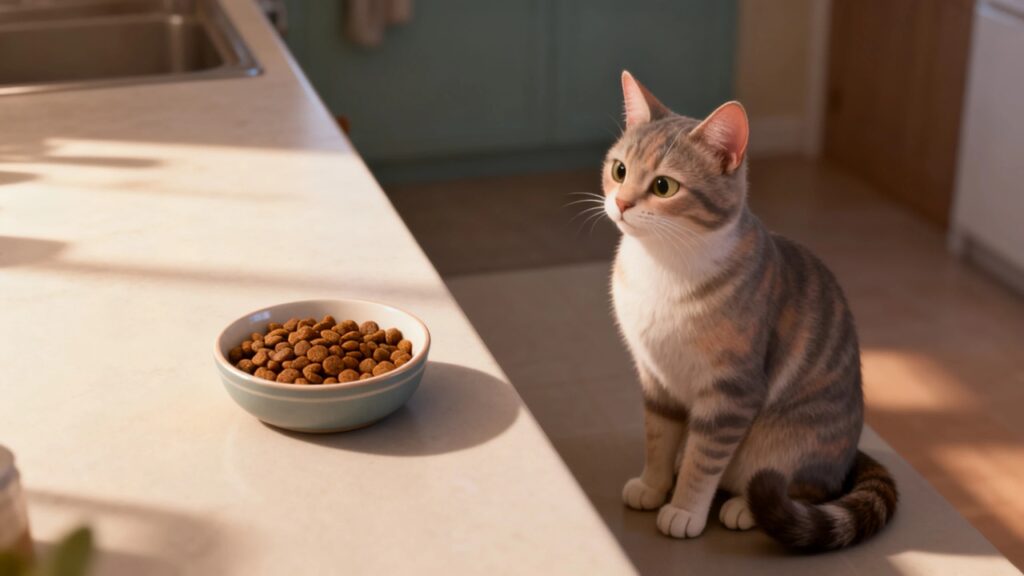
Appetite is one of the most sensitive behavioral indicators of wellness, but the quality of eating matters as much as quantity. Healthy cats approach food with interest, chew symmetrically, and finish meals without pawing at the mouth, gulping, or leaving hard-to-chew kibble untouched. A cat that sniffs food and walks away may be experiencing nausea, dental pain, upper respiratory congestion that reduces smell, or preference changes driven by disease. In older cats, subtle slowing at the bowl can signal arthritis in the neck, shoulders, or jaw, because flexing to eat becomes uncomfortable.
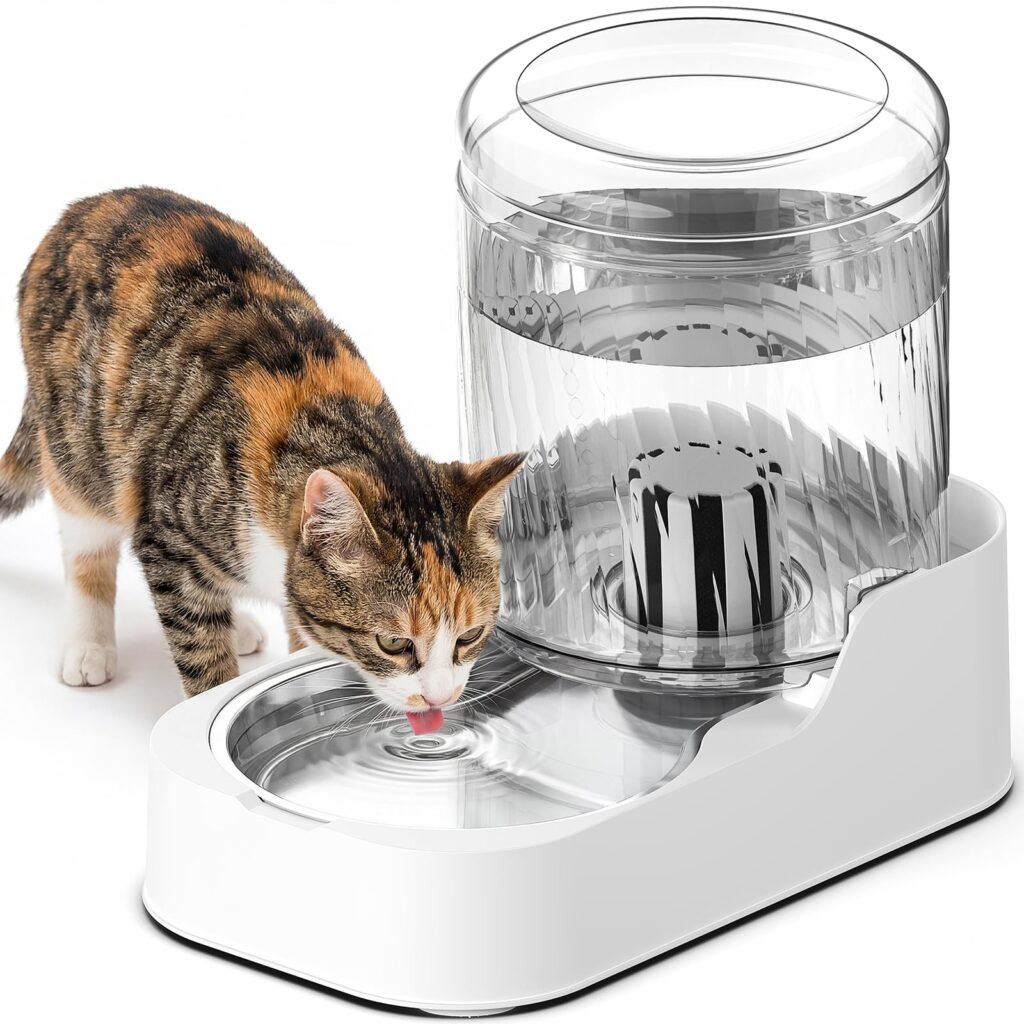
Water intake should match diet, environment, and activity. Cats eating moisture-rich food usually drink less from bowls than cats fed dry diets, but they should still visit water sources normally and not appear frantic around them. Increased drinking can be a behavioral clue to diabetes, kidney disease, hyperthyroidism, or steroid exposure; reduced drinking combined with lethargy or tacky gums may indicate dehydration, fever, or oral pain. Cats that only drink from unusual sources such as sinks or showers may be responding to stale water, poor bowl placement, or nausea that alters preferred drinking behavior.
Litter box habits reveal far more than elimination frequency. A healthy cat enters the box willingly, assumes a stable posture, produces urine or stool without prolonged straining, and exits without distress. Hiding elimination outside the box may occur with urinary tract inflammation, constipation, orthopedic pain, cognitive decline, or stress from substrate, location, or household conflict. Repeated box visits with tiny urine clumps, crying, or licking the genital area should be treated as possible lower urinary tract disease; in male cats, this can progress rapidly to obstruction.
Social behavior should be consistent with the cat’s temperament. Many healthy cats solicit interaction on their own terms, rub against familiar people, sleep near household members, and tolerate brief handling without defensive escalation. A cat that becomes unusually clingy may be seeking comfort because of illness or insecurity, while a cat that abruptly avoids contact, hides, or startles easily may be painful, overheated, nauseated, or experiencing sensory decline. Aggression that appears only when touched in a particular area often localizes pain more reliably than vocalization.
Play behavior is a practical measure of neuromuscular and cognitive health. Kittens should show rapid recovery between play bursts and coordinated pouncing, chasing, and wrestling. Adults should retain interest in short prey-style activities even if they’re less intense than juvenile play. Loss of play drive can reflect obesity, arthritis, anemia, cardiovascular compromise, or depression-like behavior from chronic stress. Overstimulation during play, fixation on shadows, or repetitive tail-chasing may indicate poor enrichment, but sudden compulsive behavior can also accompany neurologic disease or sensory loss.
Sleep patterns are useful when interpreted correctly. Cats sleep many hours, but a healthy cat alternates deep rest with brief, alert awakenings and responds promptly to familiar sounds or movement. Excessive sleeping with reduced environmental awareness, or conversely nighttime pacing and vocalizing, may indicate pain, hypertension, thyroid disease, cognitive dysfunction, or unmet behavioral needs. Senior cats with altered sleep-wake cycles often benefit from medical screening because neurologic and endocrine disease can masquerade as aging.
Vocalization should be normal for the individual and context. Some breeds and some intact cats are naturally more talkative, but repeated yowling, especially at night or near the litter box, can indicate discomfort, disorientation, heat stress, or reproductive behavior. A sudden change from a quiet cat to a loud one deserves closer scrutiny than a talkative cat that remains otherwise stable.
Preventive veterinary care is most effective when it is calibrated to life stage, body condition, and risk profile rather than reduced to annual problem-check visits. Kittens need a structured series of examinations because congenital defects, parasitism, upper respiratory disease, and nutritional deficits can progress quickly during growth. Adults with stable findings may do well with yearly assessment, but cats with diabetes risk, chronic kidney risk, prior urinary disease, dental disease, obesity, or a history of trauma benefit from more frequent monitoring to detect change before organ reserve is lost. Senior cats, especially those over 10 years of age, require proactive screening because cats compensate silently until disease is advanced.
A complete preventive exam should include precise weight tracking, body condition scoring, muscle condition scoring, oral inspection, auscultation of heart and lungs, abdominal palpation, orthopedic assessment, ear and skin evaluation, and blood pressure measurement when indicated. A cat can appear outwardly well while losing lean mass, developing hypertension, or accumulating dental inflammation. Blood pressure monitoring is particularly valuable in older cats and in those with kidney disease, hyperthyroidism, or retinal changes, because systemic hypertension can damage the kidneys, eyes, brain, and heart before obvious behavioral changes occur.
Baseline laboratory screening helps distinguish normal aging from disease. A minimum database often includes a complete blood count, serum chemistry, thyroid assessment in middle-aged and older cats, and urinalysis with urine specific gravity. Urine testing is not optional in cats with suspected kidney disease because creatinine and BUN can remain deceptively normal until substantial nephron loss has occurred. Protein loss, dilute urine, glucose, crystals, or occult infection can be detected early through urine evaluation and may change management long before clinical decline. Fecal testing is equally important in kittens and outdoor cats because intestinal parasites can suppress growth, irritate the gut, and worsen coat quality without dramatic diarrhea.
Vaccination should be individualized to exposure risk, local disease prevalence, and lifestyle. Core protection is aimed at severe viral diseases that spread efficiently in multi-cat environments, while non-core vaccines may be justified for outdoor, boarded, fostered, or hunting cats. Vaccination is most useful when kittens receive timely priming and adults receive boosters at intervals matched to product labels and risk, because waning immunity leaves a cat vulnerable long before owners notice illness. Stress-reduction at the clinic matters, since fear elevates catecholamines and can distort exam findings; low-stress handling, pheromone support, quiet rooms, and carrier training improve both welfare and the accuracy of the assessment.
Parasite prevention should target fleas, ticks, intestinal worms, and, where relevant, heartworm exposure. Fleas are not merely a nuisance; even a small infestation can drive anemia in kittens, trigger allergic dermatitis, and perpetuate tapeworm transmission. Indoor cats still need parasite risk review because fleas enter homes on people, dogs, or other animals, and mosquitoes carrying heartworm are not confined to outdoor environments. Nutrition is part of prevention: adequate animal-based protein, controlled calorie intake, and hydration through moisture-rich food support lean mass, urinary health, and immune function better than calorie-dense feeding that promotes obesity.
- weight loss, reduced jumping, new hiding behavior, increased thirst, repeated litter box visits, drooling, halitosis, coughing, or any change in respiratory effort.
- seniors, overweight cats, intact males, cats with prior urinary blockage, dental disease, heart murmurs, or chronic vomiting.
- monthly weight checks, litter box trend monitoring, appetite recording, and observation of gait, grooming, and water-seeking behavior.
Early disease is often easiest to detect through change detection rather than single abnormal events. A cat that gradually eats a little less, drinks a little more, grooms a little less, or hesitates before jumping is already giving a physiologic warning. The goal of preventive care is to identify that shift while intervention still preserves function.