Feline health issues frequently stem from genetic predispositions, environmental factors, and lifestyle choices. Certain breeds exhibit heightened vulnerability to specific conditions; for instance, Persians and Himalayans often experience polycystic kidney disease (PKD), characterized by fluid-filled cysts in the kidneys, leading to renal failure. Observational signs include increased thirst, urination, and weight loss. Early genetic testing can indicate predisposition, guiding breeders to avoid passing on affected lines.
Obesity is another critical health challenge, directly affecting over 50% of domestic cats. It increases the risk of a host of conditions, including diabetes mellitus, osteoarthritis, and hepatic lipidosis. Maintaining a healthy weight requires monitoring calorie intake based on the cat’s age, breed, and activity level. Regular weigh-ins at veterinary appointments can provide insight into weight trends, enabling early intervention.
Dental disease is prevalent in cats as they age, with plaque build-up leading to periodontal issues and systemic health complications. Evidence of dental disease includes bad breath, difficulty in eating, and pawing at the mouth. Regular dental check-ups and professional cleanings are essential, alongside at-home dental care strategies such as tooth brushing and dental treats designed to reduce plaque.
Chronic kidney disease (CKD) is a leading cause of morbidity in senior cats, with age being the primary risk factor. The gradual loss of kidney function presents with symptoms such as lethargy, vomiting, and weight loss. Regular serum biochemical analyses can identify elevated levels of blood urea nitrogen (BUN) and creatinine, indicating declining renal function. Dietary management with low-protein and phosphorus-restricted diets can slow disease progression.

Now retrieving an image set.
Dr. Elsey's Ultra UnScented Clumping Clay Cat Litter 40 lb. Bag
EUR 18.07 (as of September 9, 2026 06:57 GMT +00:00 - More infoProduct prices and availability are accurate as of the date/time indicated and are subject to change. Any price and availability information displayed on [relevant Amazon Site(s), as applicable] at the time of purchase will apply to the purchase of this product.)Hyperthyroidism affects predominantly older cats, resulting from excess production of thyroid hormone. The typical clinical presentation includes weight loss despite increased appetite, hyperactivity, and often, vomiting or increased thirst. Blood tests measuring serum thyroid hormone levels can confirm diagnosis, and management options may include radioactive iodine therapy, medication, or dietary alteration.
Feline lower urinary tract disease (FLUTD) is characterized by a spectrum of conditions affecting cats’ urinary systems, with stress, diet, and obesity being significant contributors. Symptoms include frequent urination, straining, and blood in the urine. Preventative measures include ensuring adequate hydration, dietary modifications that promote urinary health, and environmental enrichment to alleviate stressors.
Skin conditions, including allergies and parasitic infestations, manifest through excessive grooming, patchy fur, and dermatitis. Flea control is paramount as infestations can lead to flea allergy dermatitis (FAD). Prevention involves regular treatment with vet-approved products and minimizing contact with high-risk environments to reduce exposure to allergens.
Understanding these common health challenges allows for proactive monitoring, early intervention, and informed veterinary care, creating a foundation for long-term feline well-being.
Preventative Care Strategies
Implementing effective preventative care strategies is critical in mitigating health issues in cats, establishing robust wellness practices throughout their lives. Regular veterinary check-ups, ideally annually for healthy adults and semi-annually for seniors, are instrumental in early detection of potential health problems. These visits should include comprehensive physical examinations, necessary vaccinations based on individual lifestyle and risk factors, and discussions about preventive treatments such as flea and tick control, heartworm prevention, and dental care.
Nutrition plays a pivotal role in feline health. Providing a balanced diet tailored to a cat’s life stage, health status, and specific breed needs is essential. For instance, kittens require higher protein and caloric content for growth, while senior cats benefit from diets formulated to support renal function and maintain muscle mass. Consulting a veterinary nutritionist can help develop a personalized diet plan. Regular monitoring of body condition scores can offer visual and quantitative assessments to guide dietary adjustments.
Exercise is important for maintaining a healthy weight and preventing obesity-related disorders. Interactive play sessions with toys that stimulate natural hunting behaviors are vital. Establishing a routine that encourages physical activity through scheduled playtime and environmental enrichment—like puzzle feeders or climbing structures—can offer mental stimulation while promoting physical fitness. Cats are naturally predisposed to inactivity; thus, owners must actively engage them.
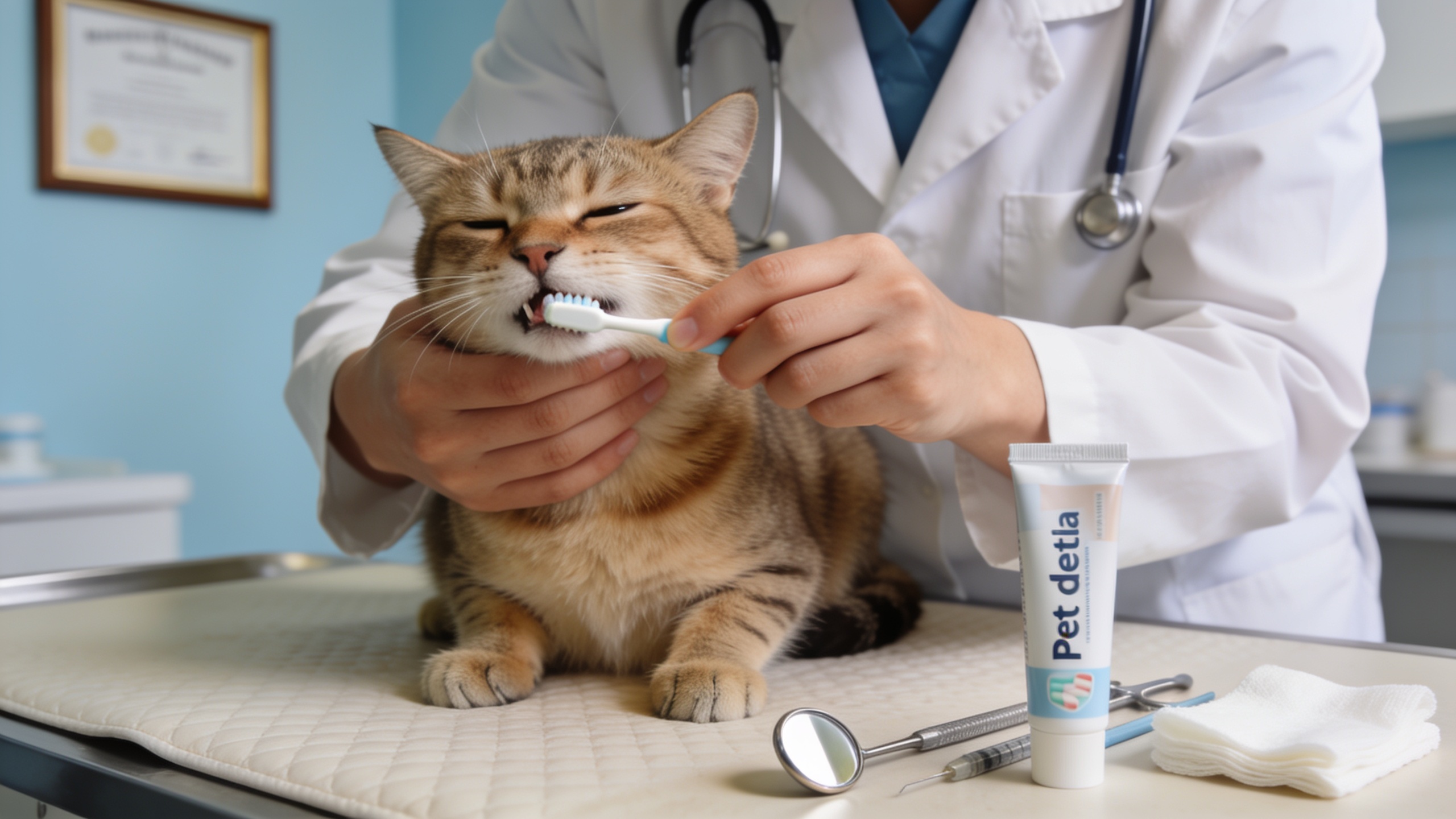
Dental health must not be overlooked. Implementing a daily oral care routine can significantly reduce the onset of periodontal disease. Products such as dental treats and water additives can complement regular brushing. Professional dental cleanings should be performed annually or biannually, depending on the cat’s dental health status. By practicing preventative maintenance, the risk of systemic disease linked to dental issues is greatly reduced.
Environmental stability is also a vital component. Creating a stress-free environment with safe spaces for retreat and appropriate social interaction reduces the likelihood of stress-induced health problems. Recognizing signs of stress such as changes in grooming habits or litter box avoidance allows for timely environmental adjustments. Providing adequate resources, such as multiple litter boxes and scratching posts, caters to both territorial and social cats, fostering a harmonious home environment.
Monitoring hydration is essential, particularly for cats at risk of urinary tract issues. Encouraging water intake can be achieved through water fountains, incorporating wet food into the diet, or offering broth. Awareness of normal drinking habits can alert owners to potential issues; reduced water consumption may indicate health problems requiring veterinary evaluation.
Considering feline behavior, psychological enrichment is fundamental to overall health. Addressing behavioral problems early with targeted training or behavioral modification techniques can prevent secondary health issues related to anxiety or aggression. Using behavioral specialists can assist in developing tailored strategies. These preventative care strategies create a proactive approach, ensuring that cats not only live longer but do so with a better quality of life.
Effective Treatment Options
Effective treatment options for feline health problems are contingent upon accurate diagnosis and a thorough understanding of the underlying causes. For conditions such as chronic kidney disease (CKD), initial management may include fluid therapy to address dehydration and electrolyte imbalances. Pharmaceuticals like phosphate binders can reduce dietary phosphorus absorption, while anti-nausea medications help alleviate gastrointestinal symptoms. Nutritional interventions, including the provision of renal-supportive diets with lower protein content and omega-3 fatty acids, play a vital role in slowing disease progression.
In cases of hyperthyroidism, treatment approaches are multilayered. Antithyroid medications, such as methimazole, can effectively lower thyroid hormone levels while minimizing side effects. Radioactive iodine therapy remains the gold standard, offering a potential cure by selectively targeting thyroid tissue. Dietary formulations, such as those containing iodine-restricted ingredients, may serve as adjunctive therapy in managing mild cases or when other treatments are not feasible.
Feline lower urinary tract disease (FLUTD) necessitates a multifactorial treatment approach. Immediate interventions include anti-inflammatory medications to mitigate pain and discomfort during urination. Dietary changes promoting urinary acidity, such as increasing water intake and providing prescription diets designed to dissolve struvite stones, can prevent recurrence. Managing stress through environmental enrichment and behavioral modification is essential to reduce flares associated with stress-induced LUTD.
For obesity, a structured weight management program tailored to the cat’s age and health status is critical. This may involve transitioning to a weight-loss formulation that promotes satiety with fewer calories. Active monitoring through regular weigh-ins and adjusting food portions based on progress aid in achieving optimal weight. Increasing physical activity through structured play sessions and interactive toys significantly contributes to overall weight loss efforts.
When addressing dental disease, anesthesia for dental cleanings allows comprehensive evaluation and treatment of periodontal issues. Routine dental care should be complemented with home oral hygiene practices, including targeted dental diets and enzymatic toothpaste. Severe cases may necessitate tooth extractions to alleviate pain and prevent systemic health issues stemming from oral bacteria dissemination.
Skin conditions, such as allergies or dermatitis, warrant a thorough investigation of allergens and irritants. Pharmacological treatments can include antihistamines, corticosteroids, or immunotherapy based on the severity of the condition. For parasitic infestations, an aggressive flea control program incorporating both topical and oral medications is imperative to prevent recurrence and alleviate discomfort.
Litter box avoidance or changes in elimination behavior may indicate underlying medical conditions requiring treatment, such as urinary tract infections or behavioral disorders. Behavioral therapies or environmental modifications, including additional litter boxes or changes in substrate, can significantly improve litter box adherence and overall feline welfare.
Recognizing the multifaceted nature of feline health issues enables veterinary professionals to tailor treatment plans effectively. This includes creating a comprehensive approach that combines medical, dietary, and environmental strategies to enhance the well-being of each individual cat.