Positive reinforcement harnesses the principles of operant conditioning, where behaviors are strengthened through rewards. This training technique capitalizes on the innate responses of cats, particularly their predisposition to repeat actions that yield favorable outcomes. Studies indicate that cats trained with positive reinforcement exhibit higher retention rates of learned behaviors compared to those trained with aversive methods, underscoring the efficacy of this approach in feline behavior modification.
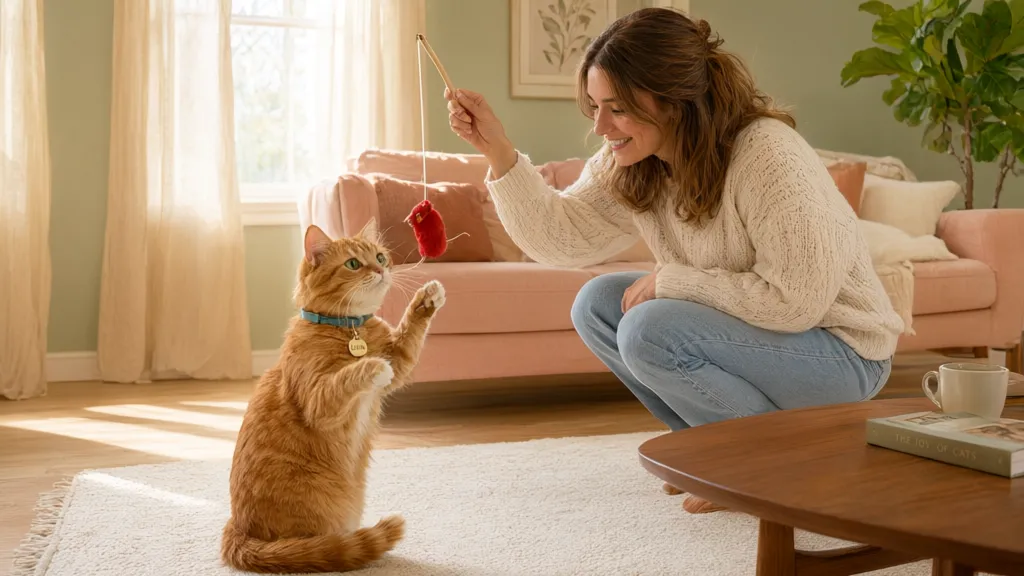
Behavioral science shows that immediate rewards enhance the learning experience. For felines, food treats, affection, or playtime should occur immediately after the desired behavior is performed, optimally within a one- to two-second window. Timing is critical; delayed rewards may confuse the cat regarding which behavior is being reinforced. When training a cat, understanding its individual preferences is vital. Some breeds, such as Siamese, may be more food-motivated, while others like Persians may respond better to affection or interactive play.
Positive reinforcement fosters a stronger human-animal bond. Engaging in this method can lead to increased trust and a responsive relationship between owner and cat. Cats trained through positive reinforcement are more likely to exhibit reduced stress and anxiety, as this method does not involve the fear or punishment associated with negative training techniques. A harmonious relationship cultivates a stable emotional environment conducive to further learning and behavior shaping.
Using positive reinforcement can significantly improve the quality of life for cats. This method is particularly effective in young cats, as early training can establish lifelong behaviors. For adult cats, positive reinforcement can aid in overcoming behavioral issues such as litter box problems or aggression by redirecting their behavior towards more positive outcomes. Moreover, this approach is invaluable during the adjustment period of adopting a new cat, helping it acclimate to its environment without the stress associated with punitive measures.

Temptations Classic Crunchy and Soft Cat Treats, Tasty Chicken, 30 oz | Under 2 calories per treat, crunchy outside & soft inside, resealable tub, 100% complete & balanced, snack, meal or topper
EUR 13.37 (as of October 13, 2026 08:25 GMT +00:00 - More infoProduct prices and availability are accurate as of the date/time indicated and are subject to change. Any price and availability information displayed on [relevant Amazon Site(s), as applicable] at the time of purchase will apply to the purchase of this product.)Cats have unique physiological and psychological needs. Recognizing these needs plays an important role in successful positive reinforcement strategies. Factors such as age, health status, and previous experiences inform training efficacy. For instance, senior cats might require more gradual adjustments to new behaviors due to potential cognitive decline or physical limitations. Tailoring rewards to fit individual preferences and situations enhances effectiveness and ensures that the reinforcement is genuinely motivating for the cat.
In practical applications, establishing a consistent training schedule reinforces learning patterns. Sessions should be short but frequent, typically lasting five to ten minutes, to maintain the cat’s attention without overwhelming it. As training progresses, variable reinforcement schedules—rewarding behaviors intermittently rather than every time—can help maintain long-term behavior changes, aligning with natural cat instincts while preventing monotony in learning tasks.
Techniques for Effective Training
Effective training techniques for cats hinge on understanding their communication cues and natural instincts. Using clicker training is one such method that capitalizes on the cat’s associative learning capabilities. The clicker serves as a distinct sound that marks the exact moment a desired behavior occurs. This not only clarifies which action is being reinforced, but also generates excitement in the cat, turning the training session into an engaging game. When implementing clicker training, it very important to pair the click sound with an immediate reward, ensuring the cat associates the click with a positive outcome.
Incorporating lure techniques can also enhance the training process. Using a treat or toy to guide a cat into the desired behavior—such as sitting, coming to you, or touching a target—provides clear, motivational direction. After the cat successfully follows the lure, reinforcing the behavior with a reward solidifies the learning experience. This technique is particularly effective with young cats or those unfamiliar with training sessions.
Environmental management plays a pivotal role in effective training. Minimizing distractions is essential, particularly for easily overstimulated breeds like Abyssinians. Creating a calm training space allows the cat to focus and reduces the likelihood of negative associations. Additionally, using high-value treats exclusive to training environments increases motivation. By reserving these treats for training, they become more desirable, which is vital for encouraging participation.
Observational skills are paramount in detecting when a cat is ready to engage. Signs such as increased curiosity, a relaxed body language, or playful behavior indicate readiness for training. Conversely, if a cat displays signs of stress, such as flattened ears or a tucked tail, it may require a break or a change in approach. Understanding these signals can prevent negative experiences during training, ensuring the sessions remain positive.
Gradually increasing the complexity of tasks can aid in sustained learning engagement. Once a behavior is mastered, introducing variations—like changing the location of training or adding distractions—encourages adaptability. This method aligns with the natural exploratory behavior of cats, as they are instinctively inclined to engage in novel situations. Addressing behavioral issues, such as fear of certain stimuli, can also be approached through desensitization combined with positive reinforcement, allowing the cat to acclimatize at its own pace.
While positive reinforcement is the cornerstone of effective cat training, owners must be vigilant about consistency in reinforcing desired behaviors. Inconsistent responses can lead to confusion and potential behavior regression. Implementing a clear training routine within a cat’s daily life not only boosts learning but also strengthens the owner-cat bond, fostering an environment where the cat feels secure and encouraged to exhibit desirable behaviors.
Common Mistakes to Avoid
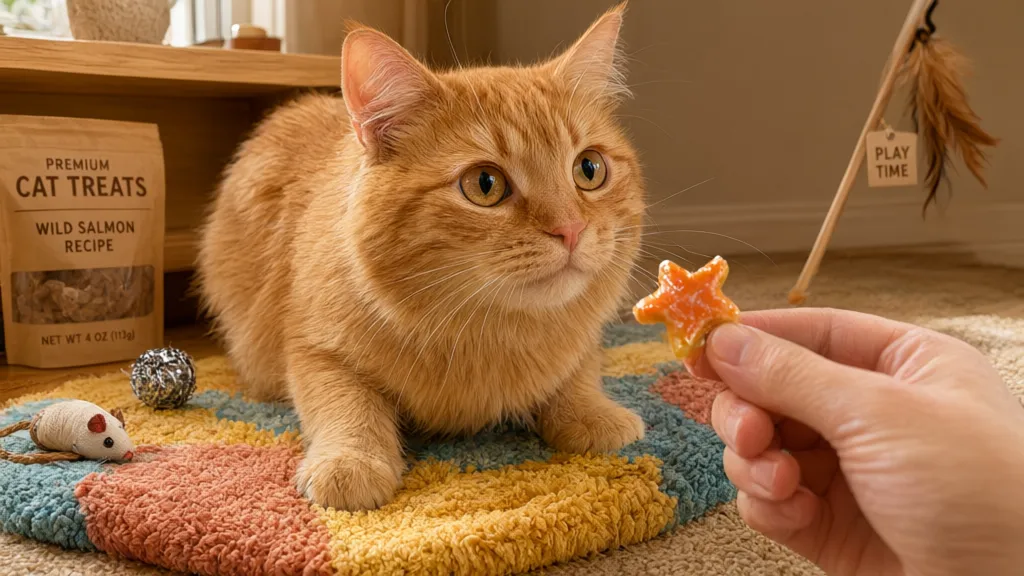
A common mistake in positive reinforcement training is the misapplication of rewards. Offering rewards either too frequently or sporadically can confuse the cat about what behaviors are being encouraged. For instance, if a cat receives a treat for sitting on command every time one session but inconsistently in another, the cat may become uncertain about the reinforced behavior, leading to a lack of reliable response. To avoid this, it is critical to define the target behaviors clearly and reward them consistently to establish a strong association.
Another frequent error involves timing. Delayed rewards can diminish the cat’s ability to connect the desirable behavior with the reinforcement. For example, if a cat is rewarded several seconds after performing the desired action, it may not associate the treat with the behavior at all. Therefore, owners should strive to provide immediate reinforcement, ideally within one to two seconds of the behavior to ensure clarity and effectiveness.
Using the wrong type of reward can also hinder training progress. Not all cats respond to the same incentives. Certain breeds, such as Abyssinians, may be more motivated by play or interaction than food, while others, like Maine Coons, might prefer tangible treats. Tailoring rewards to the individual preferences of the cat can significantly enhance engagement and motivation levels during training sessions.
Anecdotal rewards can lead to unintended consequences. For instance, if a cat misbehaves and receives attention (even negative) as a reaction, it can inadvertently reinforce the negative behavior. Ensuring that attention is given only for positive actions is vital in maintaining the desired training outcomes. This emphasizes the importance of remaining aware of all interactions as potential reinforcement opportunities.
Overloading a cat with multiple commands or cues in a single session is another common pitfall. This can overwhelm the animal, resulting in confusion rather than successful learning. It’s advisable to focus on one behavior per session until the cat displays mastery before introducing additional commands. Gradually increasing the complexity of behaviors reinforces learning without causing frustration.
Ignoring the cat’s stress signals can also be detrimental. Signs like rapid tail flicking, flattened ears, or any sudden withdrawal indicate anxiety or discomfort that can impede learning. Recognizing these signs allows for the adjustment of the training environment or methods, ensuring that the sessions remain enjoyable and non-threatening.
Lastly, neglecting to account for the cat’s physical health could lead to training challenges. For older cats or those with underlying health issues, simple behaviors may become physically taxing. Always account for the cat’s energy levels and health status when determining training goals and session lengths, prioritizing their well-being in conjunction with behavioral objectives.
Creating a Rewarding Environment
Creating a rewarding environment hinges on understanding the innate preferences and welfare needs of cats. First, establishing a diverse selection of high-value rewards tailored to individual preferences is essential. Different cats respond variably to stimuli; some may favor food rewards, while others are more motivated by affection or interactive play. Keeping a variety of treats on hand, particularly enticing options that are not part of their regular diet, enhances engagement during training sessions.
The training environment must mimic an optimal atmosphere conducive to learning. A quiet, calm space reduces distractions, allowing the cat to focus entirely on the training task. For breeds known for their sensitivity, such as Ragdolls or Scottish Folds, minimizing surrounding noise and movement is particularly important. Incorporating familiar items—like their favorite blanket or toy—can also enhance comfort and security, promoting a positive reinforcement experience.
Consistency in the training environment reinforces learning. Designating a specific location for training creates a routine that helps the cat associate that space with positive experiences. This conditional association enhances motivation and reduces stress, facilitating smoother sessions. Moreover, maintaining a regular training schedule aligned with the cat’s natural behavior patterns, such as times of higher activity or lower distractions, can optimize learning outcomes.
Environmental enrichment plays an important role in fostering a rewarding atmosphere. Providing opportunities for exploration and play not only aligns with a cat’s natural instincts but also enhances their enthusiasm during training. Interactive toys, climbing structures, and scratching posts can serve as integral components of both enrichment and training rewards. A diversified environment supports mental stimulation, essential for species-typical behaviors that mitigate stress or anxiety, thus laying a foundation for successful training interactions.
Monitoring the cat’s emotional state is critical for creating a rewarding environment. Observing body language—such as tail position, ear orientation, and eye contact—can help assess their comfort level. A relaxed stance indicates readiness for training, while signs of stress, like dilated pupils or a crouched body, suggest the environment may need adjustments. Responsive management, such as allowing breaks or revising the training approach, can prevent negative experiences and enhance overall effectiveness.
Lastly, the inherent unpredictability of reinforcement can assist in maintaining high levels of motivation. Using a variable reinforcement schedule—rewarding behaviors intermittently rather than predictably—can make the training process more engaging. This technique mirrors natural hunting behaviors, where unpredictability can heighten excitement and focus. Integrating this practice not only boosts the effectiveness of positive reinforcement but also keeps the learning experience dynamic and stimulating for the cat.