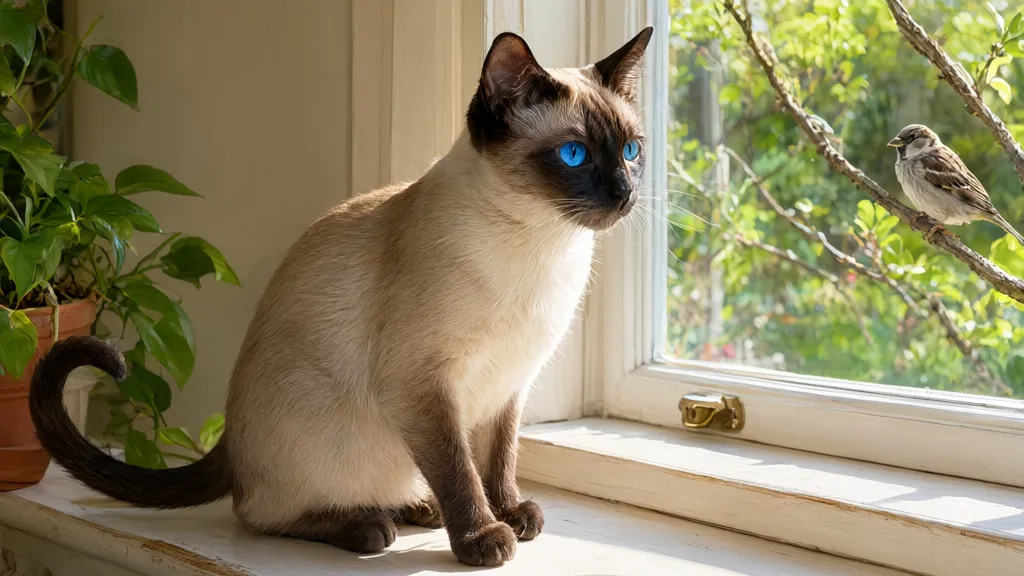
Feline behavior is deeply rooted in evolutionary adaptations and physiological needs, making it crucial to observe patterns and triggers to understand a cat’s actions. Cats display innate behaviors that stem from their ancestral survival instincts, including hunting, territoriality, and social interaction. Each breed can exhibit differing tendencies; for instance, Siamese are known for their vocal communication, whereas Persians often prefer a more subdued presence.
Handling and environmental factors significantly influence behavior. For young kittens, socialization during the critical developmental window of 2 to 9 weeks is paramount. Exposure to various stimuli, such as different sounds, people, and other animals, can mitigate fear responses later in life, fostering a well-adjusted adulthood. Conversely, stressors such as loud noises or sudden changes in routine can result in maladaptive behaviors, including litter box aversion or aggression.
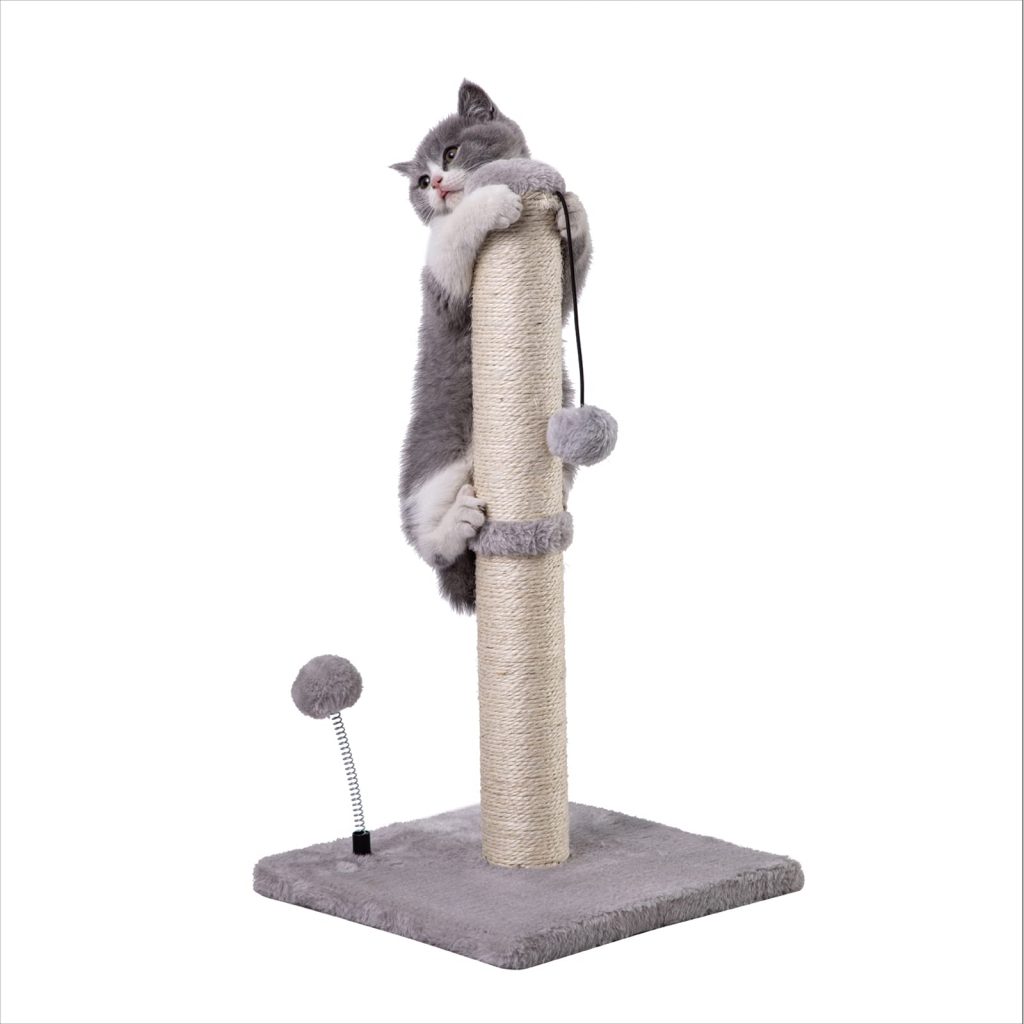
Territory is a vital concept in feline behavior. Cats inherently view their environments in terms of ownership and safety. Multiple cats in a household often establish hierarchies that can create stress or conflict if resources, such as food, litter boxes, or resting spots, are insufficient. Providing vertical space through cat trees or shelves can allow for escape and exploration, reducing anxiety over contested areas.
Play behavior is an essential aspect of a cat’s daily life, functioning to hone hunting skills and alleviate behavioral issues stemming from boredom. Active play mimics the hunting cycle; therefore, using interactive toys that stimulate prey-like movements encourages physical exercise and mental engagement. Age plays a critical role; while kittens are typically more energetic, senior cats may prefer low-impact activities and mental stimulation, such as puzzle feeders.

Boxie Probiotic Clumping Cat Litter 40+ Day Odor Control Dust Free 16 lb | Hard Flat Top clumps stay on top for fast scooping and less scrubbing; no added fragrance, fillers, or harsh chemicals
EUR 21.40 (as of October 5, 2026 20:27 GMT +00:00 - More infoProduct prices and availability are accurate as of the date/time indicated and are subject to change. Any price and availability information displayed on [relevant Amazon Site(s), as applicable] at the time of purchase will apply to the purchase of this product.)Cats communicate primarily through body language and vocalizations. Observing the position of a cat’s ears, tail, and whiskers can provide insights into their emotional state. For example, ears pinned back with an upright tail often indicate agitation or defensiveness, while a relaxed body with a gently waving tail suggests contentment. Understanding these cues can prevent aggressive encounters and foster a safer environment for both cat and owner.
Health issues often manifest as behavioral changes. Conditions such as hyperthyroidism or pain from arthritis can alter a cat’s mood, leading to increased aggression or withdrawal. Regular veterinary check-ups are vital to catch such issues early, particularly in senior cats, where subtle changes can indicate significant health problems. Awareness of these signs can improve quality of life and enhance the human-animal bond.
Lastly, diet influences behavior significantly. Cats require a high-protein diet reflective of their carnivorous nature. Inadequate nutrition can lead to obesity, which then fosters lethargy and behavioral issues. Monitoring portion sizes, incorporating enrichment foods, and maintaining a consistent feeding schedule can mitigate health-related behavioral problems.
Decoding cat communication
Cats use a complex system of vocalizations, body posture, and pheromonal cues to communicate their needs and feelings. Understanding these signals requires careful observation of individual behaviors as they can vary across breeds and personality types. Vocalizations include meowing, purring, hissing, and chirping, with each serving distinct purposes. For instance, prolonged meowing often signals a demand for attention or food, while a sudden hiss may indicate discomfort or threat. Tail positioning serves as an important indicator of mood; an upright tail generally signifies confidence and friendliness, whereas a low or puffed-up tail suggests fear or aggression.
Cats have a remarkable ability to express themselves through their ears. Ears pointed forward indicate curiosity and calmness, while rotating or flattening ears are often signs of irritation or anxiety. Furthermore, the whiskers play an essential role in environmental awareness and emotional expression. When whiskers are extended and forward, the cat is generally intrigued, whereas whiskers drawn back may suggest a defensive posture. It’s essential to recognize these subtle cues to interact appropriately without escalating potential conflicts.
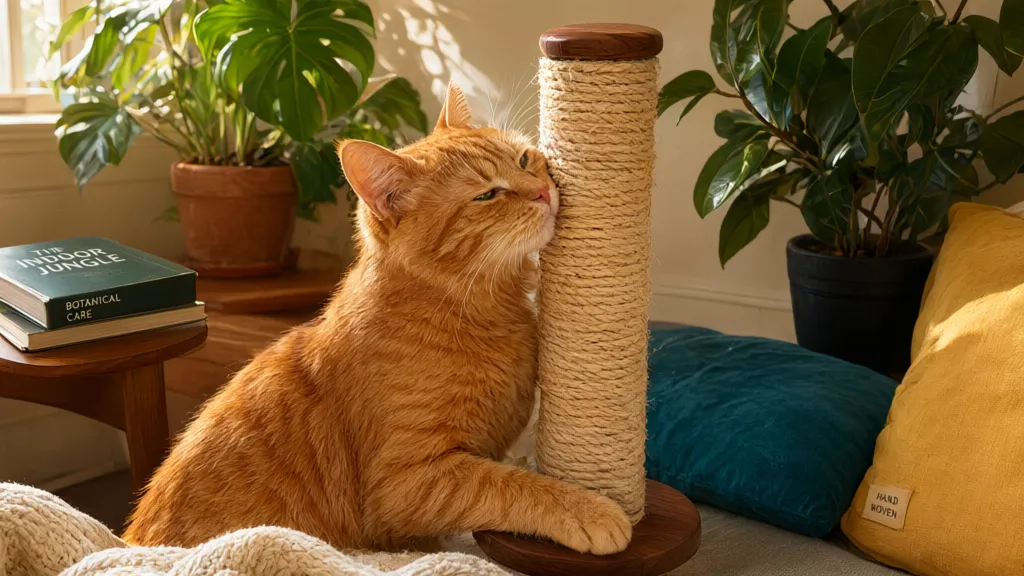
Pheromones, chemical signals secreted by cats, are integral to their communication, providing information about territory, reproductive status, and emotional state. Cats have scent glands located on their cheeks, paws, and tail, which they use to mark their territory and familiarize themselves with their environment. Providing scratch posts and pheromone diffusers can help reduce stress in multi-cat households by promoting a sense of safety and ownership in their space. Additionally, recognizing when a cat is marking territory versus displaying affection is vital; markings through rubbing indicate comfort and a bond with their human counterparts.
With aging or when faced with environmental stressors, changes in communication patterns can highlight underlying health issues. Increased vocalization may indicate pain or discomfort, particularly in senior cats suffering from ailments like dental disease or cognitive dysfunction syndrome. Monitoring shifts in vocalization can be critical for early intervention; for instance, excessive yowling at night may suggest confusion or anxiety linked to aging. Observing a cat’s behavior alongside any vocal changes can facilitate timely treatment and improve overall welfare.
Social interactions with other cats can embellish communication practices. Cats have been shown to adapt their communicative behaviors based on their social group dynamics. For example, in households with multiple cats, hierarchies can lead to specific greetings or avoidance behaviors that indicate social status. Proactively managing these dynamics through proper resource allocation—such as feeding stations and resting areas—can mitigate potential conflicts and foster harmonious interactions, allowing each cat to express themselves comfortably within their social structure.
Emotional lives of cats
The emotional lives of cats are multifaceted, influenced by both biological predispositions and environmental conditions. Unlike the simplistic view of cats as solitary creatures, research demonstrates that they possess complex emotional capacities, including the ability to experience joy, fear, and even anxiety. Secure attachments to their caregivers can foster positive emotional states, with studies indicating that cats exhibit attachment behaviors similar to those seen in dogs and even infants. This bond is reinforced through consistent care, social interaction, and understanding their needs.
In a domestic context, a cat’s environment possesses a significant impact on emotional well-being. Enrichment, in terms of both physical space and mental stimulation, enhances emotional health. Cats that have access to vertical climbing structures and interactive toys are less likely to experience stress or engage in destructive behaviors. Conversely, environmental stressors, such as loud noises, changes in household dynamics, or confinement within small spaces, can exacerbate anxiety and result in behavioral issues. Monitoring a cat’s response to such stimuli is crucial; consistent hiding, excessive grooming, or litter box avoidance may signal elevated stress levels.
Physiological aspects also correlate with emotional states. For example, elevated cortisol levels in response to chronic stress can lead to health issues such as gastrointestinal disturbances or immune dysfunction. Understanding this physiological response underscores the importance of creating a stable, enriching environment for cats, particularly those with prior trauma or fear-based behaviors. Gradual desensitization to stressors and the use of feline pheromone diffusers can create a calmer atmosphere, essential for fostering emotional resilience.
Emotional expression in cats often manifests through body language and vocalizations, revealing their mental states. A cat that slowly blinks at its owner is demonstrating trust and affection, whereas dilated pupils and a puffed tail indicate fear or aggression. Recognizing these signs aids in responding appropriately, preventing emotional escalation and fostering a supportive environment. Providing safe spaces where cats can retreat when feeling overburdened is important for their emotional regulation.
The role of social interaction in feline emotional health is significant. Cats exhibit varying sociability levels based on breed and individual personality. For instance, Abyssinians often display higher sociability traits compared to more solitary breeds like the British Shorthair. Social play and inter-feline grooming behaviors serve as indicators of emotional well-being and strong social bonds. Ensuring that a cat has opportunities for positive social interactions, whether with humans or other pets, is essential in promoting emotional stability.
Senior cats may experience profound emotional shifts due to health-related changes or cognitive decline. Common signs include increased vocalization, altered sleep patterns, or shifts in interaction with family members. Recognizing these signs early allows for timely veterinary intervention, aimed at addressing underlying health issues that impact emotional welfare. Regular wellness checks and developing a deeper understanding of an aging cat’s needs can alleviate anxiety and enhance quality of life as they navigate their golden years.