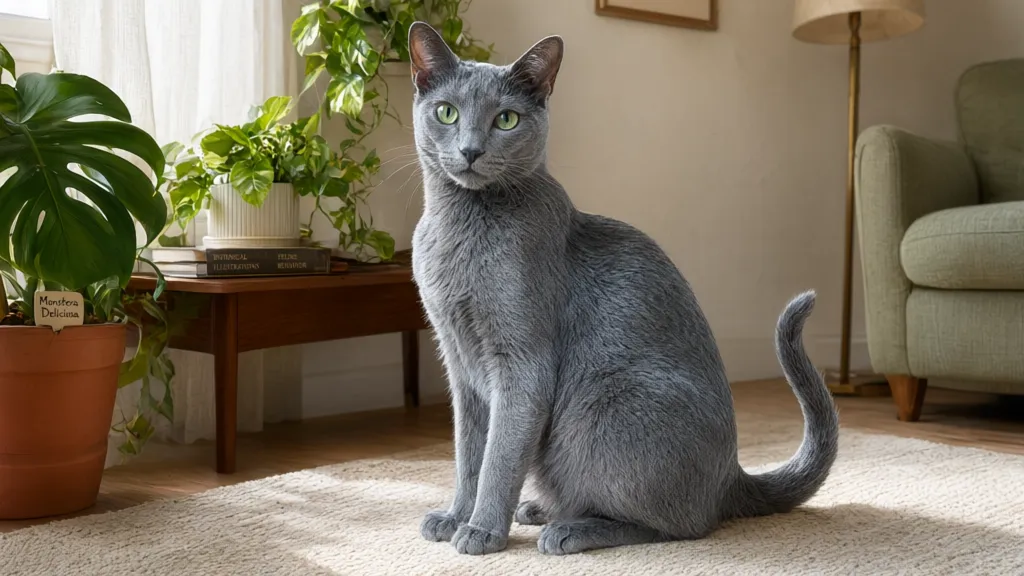
The Korat cat breed’s origins trace back to Thailand, where it’s revered as a symbol of good luck. The breed is believed to be at least 600 years old, possibly dating back to the 13th century or earlier, as evidenced by historical texts that mention cats in royal households. The name “Korat” derives from the region in Thailand known as Nakhon Ratchasima, where these cats were traditionally recognized for their striking appearance and engaging profiles.
Genetic studies suggest that Korats are part of a lineage that could include crossbreeding with other Southeast Asian breeds, but they maintain distinctive features such as their gemstone-like green eyes and silvery-blue fur. Their coat is characterized by a single coat of short, fine hair, which minimizes allergens and can impact a person’s sensitivity to feline dander. This breed’s genetic makeup reflects adaptability to tropical environments, contributing to their resilience and health.
Early in the 20th century, Korats began to gain international recognition, primarily due to their introduction in the United States. In 1966, the breed was first recognized by the Cat Fanciers’ Association (CFA) after being introduced by a breeder who had returned from Thailand. The establishment of breed standards emphasized their physical features, including a heart-shaped head and a robust body structure that aids in agility and movement.
Throughout their development, Korats have been selectively bred for their temperament alongside physical traits. The breed has historically been associated with various cultural beliefs, such as being protectors of home and fortune. Observations of their interaction with humans reveal a propensity for loyalty and attachment, likely influenced by their early association with humans as companions rather than mere pets.

Ring Indoor Cam (newest model) — Home or business security in 1080p HD video, White
EUR 21.99 (as of September 30, 2026 18:46 GMT +00:00 - More infoProduct prices and availability are accurate as of the date/time indicated and are subject to change. Any price and availability information displayed on [relevant Amazon Site(s), as applicable] at the time of purchase will apply to the purchase of this product.)Contemporary breeding practices now emphasize not only the preservation of the Korat’s unique physical traits but also its behavioral characteristics. Ethical breeding underscores the importance of genetic diversity to mitigate the risks of hereditary health issues, which could arise due to the small founding population. Breeders are encouraged to conduct health screenings, especially for common genetic conditions such as hypertrophic cardiomyopathy (HCM), which can predispose Korats to cardiovascular complications.
Today, the Korat retains its cultural significance, serving as a living emblem of Thailand’s feline heritage, and its presence at cat shows worldwide continues to attract appreciation for both its beauty and history. This breed’s origin is interwoven with human culture, place, and medical practices, impacting the approach towards breeding and conservation efforts that promote its health and welfare in domestic environments.
Physical characteristics
The Korat cat breed exhibits distinct physical characteristics that contribute to its unique identity. One of the most notable features is its coat, which is a short, fine, and single layer, composed of a soft texture that gives a lustrous sheen under light. The shade of this coat is a striking blue-grey, scientifically referred to as “blue,” a result of a dilute pigmentation that creates a silvery appearance without any tabby markings, providing a backdrop for their vivid eye color.
The eyes of the Korat are large, round, and almond-shaped, characterized by a bright, gemstone-like green hue that matures as the cat ages. Kittens generally have yellow eyes, transitioning to the desired green by their second year. This eye color not only enhances their captivating appearance but also plays a role in their hunting abilities, allowing for greater clarity and contrast in various lighting conditions.
The head of the Korat is heart-shaped, with a broad forehead and slight narrowing towards the chin, which contributes to their expressive facial structure. The ear shape is medium-sized, rounded at the tips, and set high on the head, facilitating auditory perception. A Korat’s body is medium in size, with a balanced and muscular build, symbolizing strength and agility. Its legs are of moderate length, ending in small, oval paws, enhancing its overall symmetry and gracefulness in movement.
Body weight typically ranges between 6 to 10 pounds, and the Korat should exhibit a compact and somewhat stocky form rather than an elongated physique, reflecting its robust health. The tail is tapering, medium-length, and allows for expressive communication during interaction, often raised in a gentle curve when the cat is content.
Moreover, the Korat’s genetic makeup influences its physical traits, which can have implications for breeding practices. The emphasis on maintaining purity of the breed’s characteristics while minimizing health issues is critical. Breeders must monitor traits such as the structure of the jaw and dental health, as misalignment can lead to periodontal problems, which are common in cats with specific facial structures.
Understanding the genetics involved very important for achieving optimal health and conformation in the Korat breed. Breeders should prioritize genetic screening for traits linked to common health concerns and promote genetic diversity to bolster the robustness of this breed. By focusing on these physical characteristics, caretakers and breeders can ensure that the Korat thrives both in appearance and health across generations.
Temperament and behavior
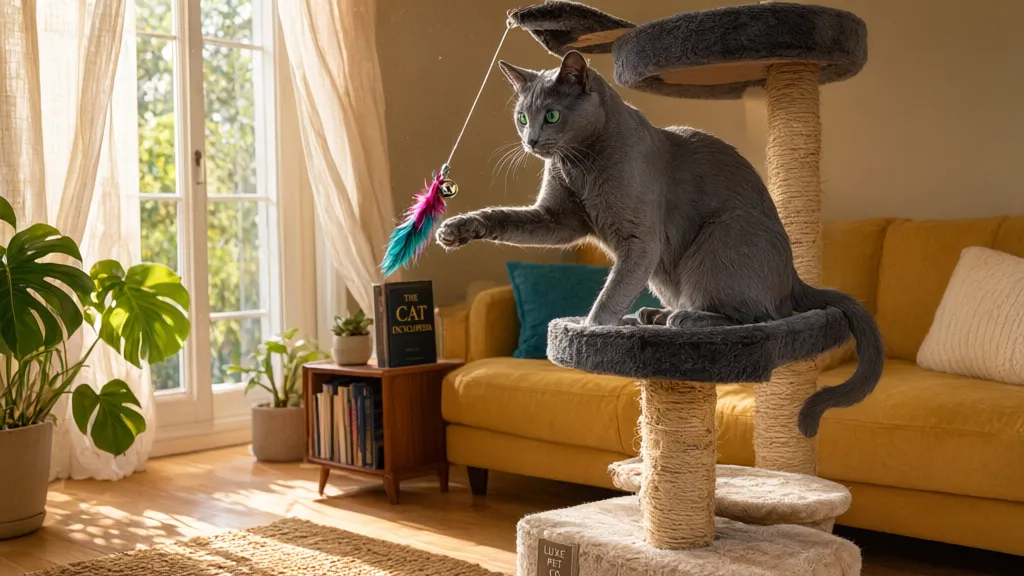
The Korat cat exhibits a unique temperament shaped by both its genetic predisposition and its historical role as a companion animal. Typically, Korats are known for their affectionate nature and deep bond with their owners, reflecting a strong desire for social interaction. This breed’s loyalty can manifest in behaviors such as following their caregivers around the house, often described as “shadowing,” which indicates a need for companionship and reassurance. Their vocalizations are distinctive; they communicate with soft, melodious tones that vary in pitch and intensity depending on their emotional state, making them highly expressive felines.
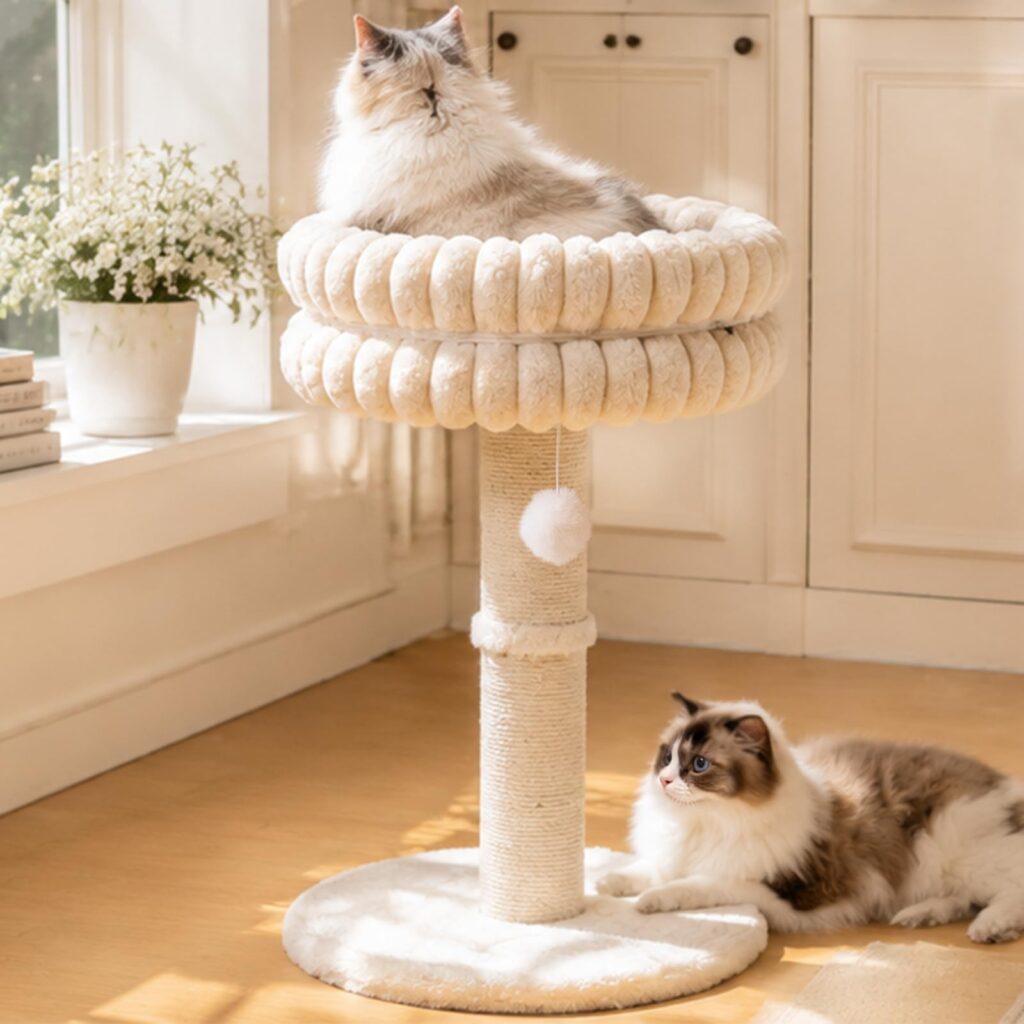
Behaviorally, Korats tend to be intelligent and curious, traits that encourage exploratory play. They often engage in interactive activities, requiring mental stimulation to prevent boredom. Toys that mimic hunting behavior, such as feather wands or laser pointers, are particularly appealing as they align with their natural instincts. It very important to provide an enriching environment that includes vertical spaces like cat trees and shelves, as Korats enjoy climbing and observing their surroundings from a height, which satisfies their exploratory instincts while providing exercise.
This breed is generally known for its adaptability to different living environments, although they thrive best in stable homes with consistent routines. Sudden changes in the household, such as moving or the introduction of new pets, may cause stress, reflected in behaviors such as hiding or increased vocalization. Understanding their sensitivity to environmental changes allows owners to implement gradual introductions and create a secure space for the cats to acclimate.
Korat cats are typically good with children and other pets, provided they are socialized properly from a young age. They display a playful demeanor and often engage in gentle interactions, although supervision is recommended during initial encounters to monitor for stress signals. Establishing a harmonious multi-pet household involves careful integration, observing body language for signs of insecurity or aggression in both the Korat and other animals.
A key behavioral aspect of Korats is their need for routine mental and physical engagement, making neglect in these areas a significant cause for behavioral problems. Owners should implement a structured schedule that includes playtime, feeding, and interaction. Regular activity not only fosters physical health but also mitigates anxiety and behavioral issues such as destructive scratching or excessive vocalization.
Furthermore, understanding the innate hunting drive present in Korats informs feeding strategies. The incorporation of puzzle feeders can stimulate their problem-solving skills and promote healthy eating habits, which can prevent obesity—a common issue in indoor cats. The breed, while generally healthy, can be predisposed to specific behavioral issues unless proactive steps are taken to manage their needs and provide a fulfilling environment that fosters their energetic spirit and affectionate nature.
Care and health considerations
Providing appropriate care and addressing health considerations for the Korat breed requires an understanding of its specific needs. A balanced diet is important, as the Korat is naturally predisposed to obesity, especially when kept indoors. High-quality, protein-rich cat food should be the foundation of their diet. Ensure the food has adequate levels of taurine, an amino acid essential for heart health, eye function, and overall wellness. Regularly consulting with a veterinarian to adjust nutritional intake according to age, weight, and activity level helps mitigate the risk of obesity and related health issues.
Dental health is another significant concern for Korats. Their dental structure can predispose them to periodontal disease. Regular dental check-ups and at-home care, including the use of veterinary-approved dental treats and toothpaste, are vital. Routine teeth cleaning should be incorporated into their care regimen to prevent tartar build-up and ensure oral health.
Hypertrophic cardiomyopathy (HCM) is particularly notable in Korats, with genetic predisposition playing a major role in its occurrence. Regular veterinary check-ups should include heart health assessments, using echocardiograms or ultrasounds if necessary. Early detection of heart conditions through genetic screening and periodic health exams can substantially enhance quality of life. Keeping abreast of any symptoms related to HCM, such as lethargy, reduced appetite, or increased respiratory effort, is critical in managing the overall health of this breed.
Moreover, Korats may be susceptible to stress-related behavioral issues. Creating a calm, predictable environment is essential to their emotional well-being. Changes in routine or exposure to chaotic situations may induce anxiety, leading to behaviors such as litter box avoidance or excessive grooming. Incorporating stress reduction strategies, such as interactive playtime and environmental enrichment, can enhance their mental health. Use hiding spots and vertical spaces to offer them choices for retreat and security.
Regular exercise is vital to maintaining an optimal weight and mental health in Korats. Engage them in vigorous play sessions daily, using toys that mimic their hunting instincts. Additionally, consider incorporating agility training or puzzle toys to stimulate their minds and bodies, fostering a healthier lifestyle.
Regular vaccinations and preventative care are essential elements in safeguarding the health of the Korat. Follow a vaccination schedule as recommended by veterinarians, including rabies and feline viral rhinotracheitis, calicivirus, and panleukopenia (FVRCP) vaccinations. Parasite control, including flea, tick, and worm prevention, is important, especially for those that may spend time outdoors.
Owning a Korat necessitates a proactive approach to health monitoring and care. Being observant of any changes in behavior, weight, or dietary habits enables early intervention in addressing potential health concerns, ensuring optimal well-being for this affectionate breed.