The Selkirk Rex breed originated in 1987 in Montana, when a ranch cat gave birth to a litter that included a uniquely curly-coated kitten named Lancelot. This mutation was caused by a spontaneous genetic variation affecting the fur’s texture. The curly coat is the result of a recessive gene (KRT71) that impacts hair follicle structure, leading to the distinctive softness and wave pattern characteristic of this breed. Breeders recognized the significance of this genetic anomaly and began a dedicated breeding program to establish the Selkirk Rex as a distinct breed, using various domestic cats to enhance genetic diversity.
Selkirk Rex cats are often classified under the Rex group of breeds, which includes the Cornish and Devon Rex breeds. However, the Selkirk Rex’s genetic foundation differentiates it from these breeds. Unlike the Cornish and Devon Rex, which derive their curly coats from different genetic mutations, the Selkirk Rex’s coat derives specifically from its unique lineage and the combination of genes inherited from the domestic cats involved in the cross-breeding.
In 1992, this breed received recognition from the Cat Fanciers’ Association (CFA), solidifying its status. The breed quickly gained popularity for its playful demeanor and striking appearance. Anecdotal accounts suggest this breed is particularly adaptive and social, likely due to its mixed ancestry that includes various character traits from its progenitor breeds. This social nature is significant, as it often influences the breed’s compatibility with various households, supporting a climate of interaction and engagement with family members.
The name “Selkirk Rex” is derived from the Selkirk Mountains, adjacent to where the initial breeding took place, along with the term “Rex,” denoting its unique coat. As this breed developed, it was noted for its robust physical stature, a testament to the diverse genetic background fostered through the breeding process. These cats typically exhibit strong, muscular bodies complemented by their distinctive curling fur, which creates a striking visual allure that has attracted cat enthusiasts globally.
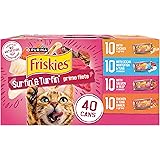
Purina Friskies Prime Filets Cat Food Variety Pack, 40 Pack 5.5 oz Cans | Surfin' and Turfin' wet cat food favorites in a savory gravy, made with real meat, poultry and seafood
$32.76 (as of October 23, 2026 20:59 GMT +00:00 - More infoProduct prices and availability are accurate as of the date/time indicated and are subject to change. Any price and availability information displayed on [relevant Amazon Site(s), as applicable] at the time of purchase will apply to the purchase of this product.)Today, Selkirk Rex cats are recognized by numerous cat registries worldwide, and their popularity continues to rise. Genetic testing has become valuable for breeders to monitor the health and vitality of these cats, minimizing inherited conditions that could arise from their foundational breeding stock. Regular health assessments are recommended for maintaining optimal breeding practices, ensuring the genetic diversity necessary for the long-term sustainability of this breed.
Physical characteristics
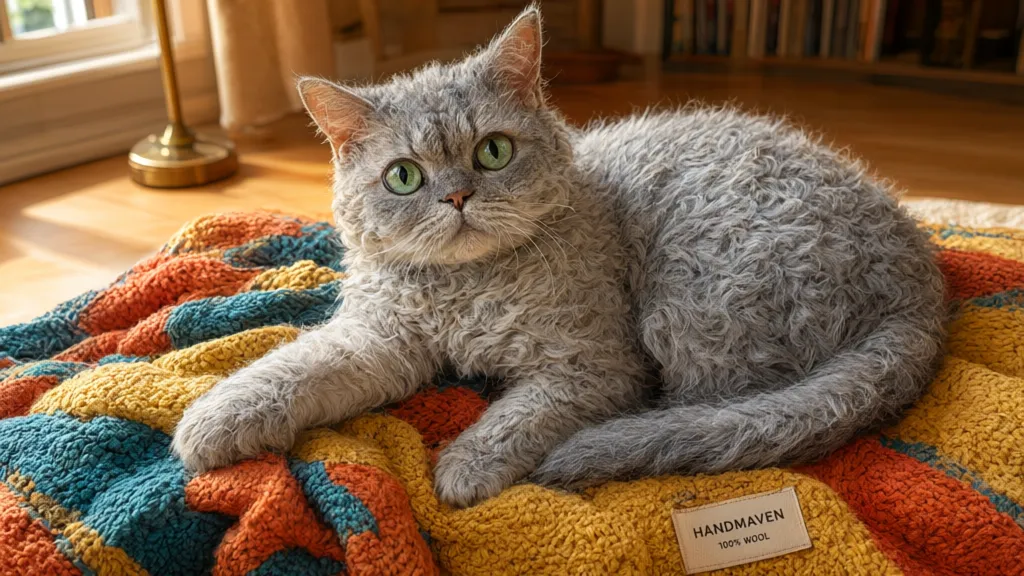
The Selkirk Rex showcases several striking physical characteristics that set it apart from other breeds. The most distinguishing feature is its curly coat, resulting from a dominant gene mutation affecting hair texture. This genetic trait leads to a unique tight wave or curl pattern, with the coat varying in length from short to long. The degree of curl can range significantly, producing a plush look this is soft to the touch, often described as resembling a teddy bear’s fur.
In addition to their curly coats, Selkirk Rex cats typically possess a robust and muscular build, contributing to an overall sturdy appearance. Males tend to be larger, weighing between 12 to 16 pounds, while females generally range from 8 to 12 pounds. Their bodies are rounded, with a broad chest and strong legs, which can provide a sense of physical confidence. The breed is also characterized by a round face, full cheeks, and large, expressive eyes that can be blue, green, or copper, creating an inviting expression that enhances their visual charm.
Selkirk Rex cats have a medium-sized tail that thickens towards the base, tapering gently at the tip, which complements their body proportions. The ears are also distinct, being medium in size and slightly rounded at the tips, positioned high on their heads. This conformation contributes to their refined appearance, combined with the soft curvature of their overall body shape, reflecting a harmonious balance.
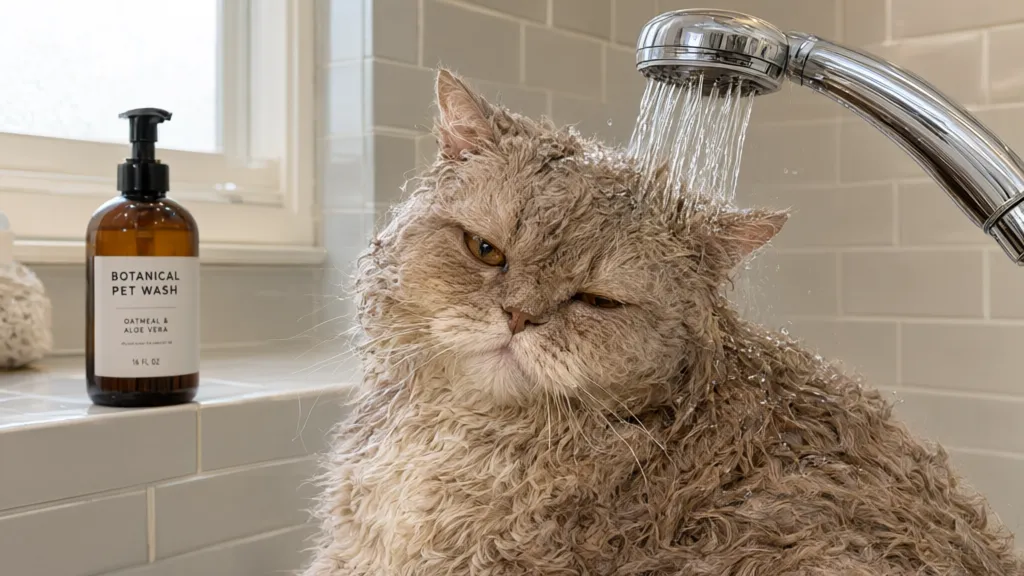
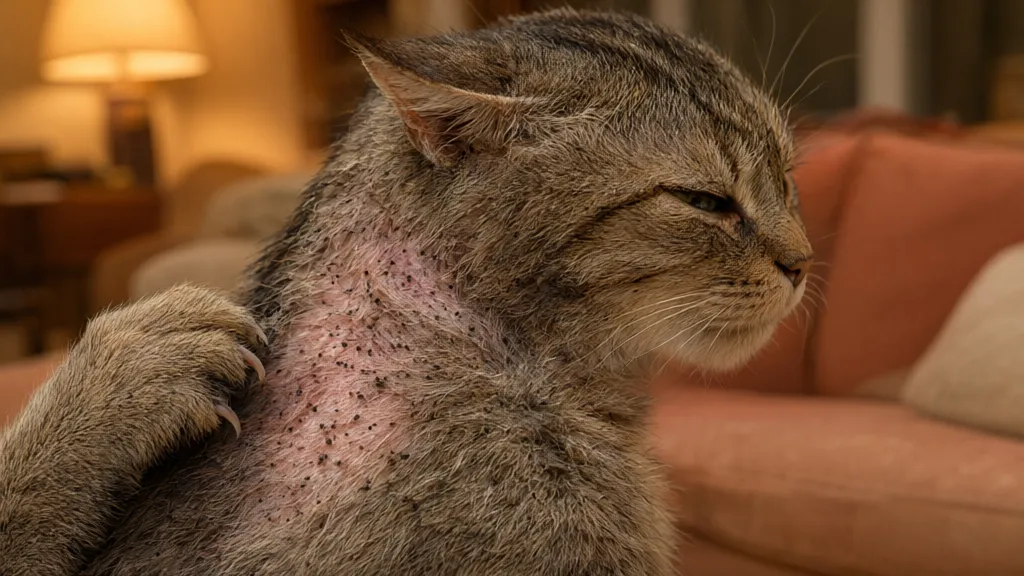
The skin of the Selkirk Rex is often highlighted by its loose, pliable texture, which can give an impression of greater skin elasticity; this characteristic further enhances comfort during handling. Care should be taken to maintain skin health, as the absence of hair in certain areas can lead to increased sensitivity. Attention to skin condition, particularly in those with less fur, especially important in preventing irritations or infections.
Nutritional needs for the Selkirk Rex vary depending on individual activity levels, but this breed generally benefits from a balanced diet rich in protein and essential fatty acids. The right nutrition supports healthy skin and coat condition, which are paramount given their distinctive fur. Regular veterinary check-ups should also monitor for potential genetic health issues such as hypertrophic cardiomyopathy, a common concern in many feline breeds.
When it comes to grooming, the Selkirk Rex, despite its unique coat, has relatively low maintenance needs compared to long-haired breeds. The breed should be brushed weekly, with increased frequency during shedding seasons, to remove loose hair and prevent matting. The curls can trap dirt and debris, making it essential to regularly check their coat’s condition and maintain hygiene to keep skin healthy.
Care and grooming
Selkirk Rex cats require specific attention concerning grooming due to their unique fur texture, which can lead to potential matting if not adequately managed. Unlike other breeds, their curly coat tends to hold onto loose hairs and debris, necessitating a more hands-on approach to grooming. Regularly scheduled grooming sessions not only help maintain the overall appearance of their coat but also support skin health by stimulating blood circulation. A soft-bristled brush or a grooming glove is recommended to gently detangle curls and remove dead fur without causing discomfort.
The frequency of grooming should increase during seasonal changes when shedding is more pronounced. Bi-weekly grooming may suffice during off-shedding periods, while weekly sessions during peak shedding can help control loose fur. In addition to brushing, it’s essential to monitor the condition of the coat for any signs of irritation or matting, especially around sensitive areas like the belly, underarms, and behind the ears. If knots form, it’s critical to address them gently to avoid pulling at the skin, which can lead to distress or injury.
Ear cleaning is another aspect of grooming that requires attention. The Selkirk Rex often has semi-erect ears that can accumulate wax and debris, increasing the risk of ear infections. Regular inspection and cleaning with a veterinarian-recommended solution can help maintain ear health. The eyes should also be observed for any discharge or staining, as certain breeds can be predisposed to conditions like conjunctivitis. A damp, soft cloth can safely clean around the eyes when needed.
Nutrition plays a significant role in maintaining coat health. A high-quality diet with adequate omega-3 and omega-6 fatty acids is essential to promote a healthy coat and skin. These fatty acids help reduce dryness and flaking, making the curls appear more lustrous and well-kept. Water intake should also be monitored since hydration impacts skin elasticity and overall coat condition. Keeping fresh water readily available encourages proper hydration, which in turn supports a healthy skin barrier.
Regular veterinary check-ups are critical for detecting potential health issues early, particularly skin conditions that can be exacerbated by grooming negligence. Monitoring the Selkirk Rex for signs of discomfort during grooming can signal underlying issues like allergies or skin infections. Owners should be vigilant for excessive scratching, hair loss, or changes in behavior during grooming sessions. Intervening early with veterinary support can help manage these concerns effectively.