Feline body posture is a critical component of communication and reflects a cat’s emotional state and intent. Cats exhibit a variety of postures that can indicate relaxation, aggression, curiosity, or fear. For instance, a cat that is standing tall with its head high and ears pointed forward typically expresses confidence and curiosity. In contrast, a cat that crouches low with its body close to the ground is often fearful or anxious, signaling a desire to hide or flee.
Using body posture in conjunction with other behaviors is essential for accurate interpretation. A cat that flattens its ears against its head while at once puffing up its fur is displaying clear signs of aggression or distress. This combination serves to make the cat appear larger to potential threats and signals readiness to defend itself. Additionally, observing the angle of the body can provide insights; a cat with a slightly arched back but relaxed limbs is exhibiting a neutral or playful stance, while one with a stiffly held body typically indicates tension.
Environmental factors can influence body posture. Cats may exhibit more defensive postures in unfamiliar settings, such as a new home or during introductions to other pets. A study in feline behavior illustrated that a cat’s posture in the presence of unfamiliar stimuli varies significantly; they may adopt a high-kneeling position, characterized by raised forelimbs and a lowered head, indicative of caution and readiness to escape.
Age also plays a role in body posture. Kittens tend to display more playful and exploratory postures, engaging in life with an open stance. As they mature, they may exhibit more reserved postures, especially in new or stressful situations. Older cats often carry a more stooped posture due to musculoskeletal conditions, affecting their overall expressive capabilities.

Veken Innovation Award Winner Stainless Steel Cat Water Fountain, 108oz, C1 | Automatic Pet Fountain Dog Water Dispenser with 3 Replacement Filters & Silicone Mat, Gifts for Cats, Dogs (Silver)
EUR 17.53 (as of October 13, 2026 08:25 GMT +00:00 - More infoProduct prices and availability are accurate as of the date/time indicated and are subject to change. Any price and availability information displayed on [relevant Amazon Site(s), as applicable] at the time of purchase will apply to the purchase of this product.)Additionally, breed characteristics can affect body posture. Breeds such as Siamese are known for their expressive body language, often displaying a range of postures that communicate eagerness or social interaction. Conversely, breeds like the British Shorthair may adopt more reserved stances, reflecting their generally more laid-back temperament. Understanding breed-specific behaviors especially important for accurate interpretation of posture.
Observing body posture can also be a proactive preventive measure. Recognizing signs of discomfort or aggression early allows for intervention and management strategies, such as providing a safe space or a secure retreat for the cat. Close monitoring during stressful events, like veterinary visits, can facilitate a more favorable outcome. Responses to observed postures can include environmental adjustments or behavioral enrichment to improve the cat’s sense of security and overall wellbeing.
Interpreting tail movements
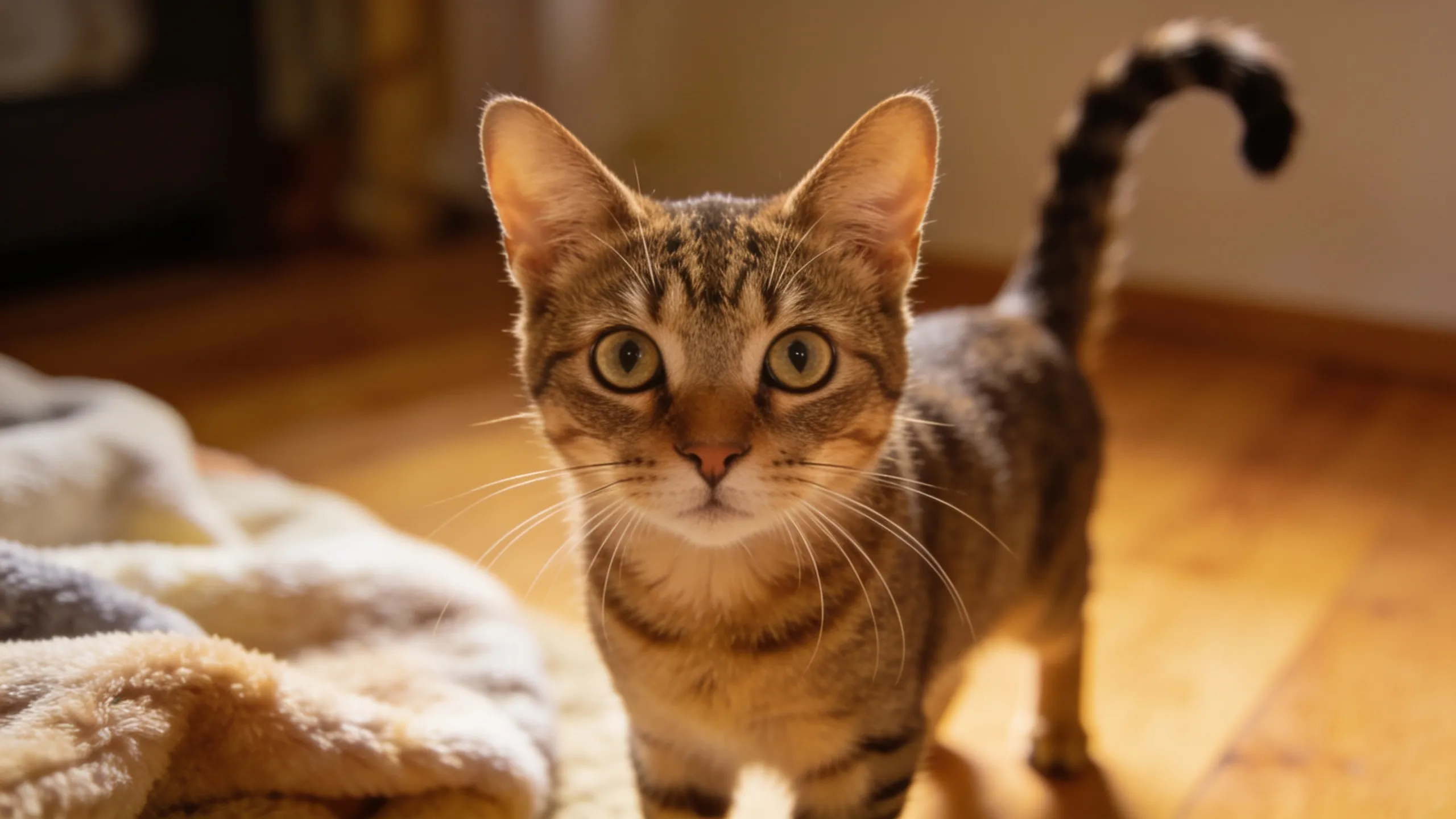
Tail movements are a vital form of communication for cats, reflecting their emotional and physical states. The positioning, motion, and shape of a cat’s tail can indicate a multitude of feelings, from contentment to agitation. For instance, when a cat holds its tail upright with a slight curve at the tip, it signifies a state of happiness and confidence, often indicating that the cat is engaging positively with its environment.
A cat’s tail position provides insights into its mood; a flat, low-hanging tail generally suggests fear or submission, signaling that the cat may feel threatened or insecure. Conversely, a puffed-up tail is indicative of a cat that feels threatened and is attempting to appear larger to potential threats. Understanding these signals is essential for ensuring a comfortable interaction, especially in multi-cat households where territorial disputes may arise.
The speed and movement of the tail can also reveal a cat’s emotional state. A slowly waving tail typically indicates a cat this is curious or contemplating a situation, while a rapidly flicking tail suggests agitation or annoyance, often seen before a bite in cats that are overstimulated. Additionally, a tail held straight out, parallel to the ground, can indicate a relaxed yet alert state, commonly observed during playtime. Recognizing these nuances can aid in preventing conflicts and promoting a peaceful environment for the cat.
Environmental factors significantly influence tail behavior. A cat may exhibit different tail movements in familiar versus novel situations. For example, a cat in a new environment may hold its tail lower, reflecting anxiety, while in a known territory, it may rise higher symbolizing confidence. Social interactions, such as meeting a new pet or person, can also alter tail dynamics; a cat may approach with a high tail but quickly lower it if it senses aggression from the other party.
Understanding breed tendencies is key when interpreting tail movements. Some breeds, such as the Maine Coon, are known for their expressive tails that intrinsically communicate their moods with greater clarity. Others, like the Ragdoll, may display less dramatic tail movements but still convey complex emotional states. Being aware of these characteristics allows for tailored care and better observation of individual feline behavior.
Tail movements are also intertwined with health status; abnormal tail positions or movements may indicate pain or discomfort. A cat that typically holds its tail high but suddenly begins to carry it low may be signaling an underlying health issue, such as an injury or illness. Prompt veterinary evaluation in such cases very important, as early detection of health problems can lead to more effective treatment and better outcomes for the cat.
Reading facial expressions
Facial expressions in cats offer a nuanced glimpse into their emotional landscape, reflecting their mood and reactions to environmental stimuli. Notably, the position and shape of the cat’s ears serve as primary indicators; ears tilted forward indicate curiosity or engagement, while ears flattened against the head often signal fear or aggression. Understanding these ear positions can be critical during interactions, particularly in multi-animal households where tension may arise.

Eyes are another essential component of feline facial communication. A cat that slowly blinks at you may be expressing trust and relaxation, whereas dilated pupils suggest excitement, fear, or aggression, depending on the context. Observing the pupil size alongside other body language cues can provide insights into whether the cat is in a state of playfulness or distress. For instance, wide pupils may signify readiness to pounce or defend, particularly in playful younger cats or during perceived threats.
Additionally, a cat’s mouth can communicate various states of mind. A relaxed cat typically has a neutral mouth position, whereas a cat that’s baring its teeth is likely feeling threatened or is warning off another animal. Subtle changes, such as a slight opening of the mouth, can accompany heightened interest or curiosity, especially if paired with attentive body positioning and ear orientation. Observing combinations of these facial cues can refine interpretation of the cat’s emotional state and intent.
Nose and whisker positioning also play a pivotal role in facial expression. Cats use their whiskers as tactile sensors, and a cat with whiskers protruding outward indicates alertness and interest in their surroundings. Conversely, whiskers pulled back against the face often suggest fear, anxiety, or defensive behavior, alerting caregivers to possible stressors in the environment. Additionally, the color and moisture of the nose can serve as subtle indicators of health; a consistently dry or discolored nose may signal health concerns that warrant veterinary attention.
Age-related changes can also affect facial expressions; older cats may exhibit reduced expressive range due to chronic pain or cognitive decline, making interpretation more challenging. Kittens, by contrast, demonstrate a more dynamic range of expressions, as they frequently explore their environment with curiosity reflected in their facial cues. Recognizing these age-related differences can aid in understanding the underlying emotional state of each individual cat.
Environmental factors, such as changes in household dynamics or new pets, can influence facial expressions, manifesting as more frequent signs of anxiety or stress. Providing a familiar environment and soft, gradual introductions can mitigate stress responses. A cat exhibiting persistent changes in its facial expressions may require adjustments to its environment or behavioral interventions, emphasizing the importance of monitoring these signs for proactive management of feline welfare.
Recognizing vocalizations
Vocalizations in cats encompass a diverse range of sounds, each serving specific communicative purposes, influenced by factors such as age, breed, environmental context, and individual personality. The most common vocalizations include meows, purrs, hisses, growls, and trills, each providing unique insights into a cat’s emotional state or needs.
Meowing is primarily a communicative tool directed towards humans, with variations in tone, pitch, and duration. A short, high-pitched meow often conveys excitement or requests, while a lower, prolonged meow can indicate displeasure or frustration. Observing the context in which meows occur—such as before feeding or during interaction—can help interpret specific needs. For instance, a cat that meows persistently while pawing at its food bowl typically indicates hunger.
Purring is generally associated with relaxation and contentment, often occurring while a cat is being petted or resting comfortably. However, purring can also signal discomfort or distress in certain situations, particularly in ill or injured cats that may purr as a self-soothing mechanism. Therefore, monitoring behavioral cues in conjunction with purring is vital for accurate assessment of a cat’s emotional state.
Hissing and growling are clear indicators of fear or aggression. A hissing sound, coupled with a defensive posture, signifies a cat feeling threatened; this is a warning to potential aggressors. A growl, on the other hand, may precede an aggressive encounter, often aligning with territorial disputes or resource guarding in multi-cat households. Recognizing these auditory signals early can prevent escalation of aggressive behaviors.
Trilling, characterized by a series of short, chirping sounds, typically signifies greeting or affection, often seen between a mother cat and her kittens or during social interactions between bonded cats. This vocalization reflects a positive emotional state and can be elicited by favorable interactions, such as playtime or attention from humans.
Age plays a significant role in vocalization patterns. Kittens tend to exhibit diverse vocalizations, especially as they explore and interact with their environment. They may use meows and trills to gain attention or interact with their siblings. As cats mature, they may refine their vocalizations, becoming more selective in how and when they communicate. Older cats may vocalize less frequently, and their typical tones may change due to age-related vocal cord effects, which can influence how their sounds are perceived.
Breed characteristics can also influence vocalization styles. Siamese cats are particularly known for their vocal tendencies, often engaging in prolonged and varied vocalizations to express themselves. In contrast, breeds such as the British Shorthair tend to be quieter, relying more on body language than vocal communication. Understanding these breed-specific tendencies allows for better interpretation of their vocal cues.
Health status must be considered when assessing vocalizations. Sudden changes in vocalization frequency or type can indicate health concerns, such as pain or cognitive dysfunction. For example, a previously quiet cat that begins vocalizing excessively may require a veterinary evaluation to rule out underlying issues. Maintaining a baseline understanding of an individual cat’s vocalization habits enhances the ability to detect deviations that may require medical attention.