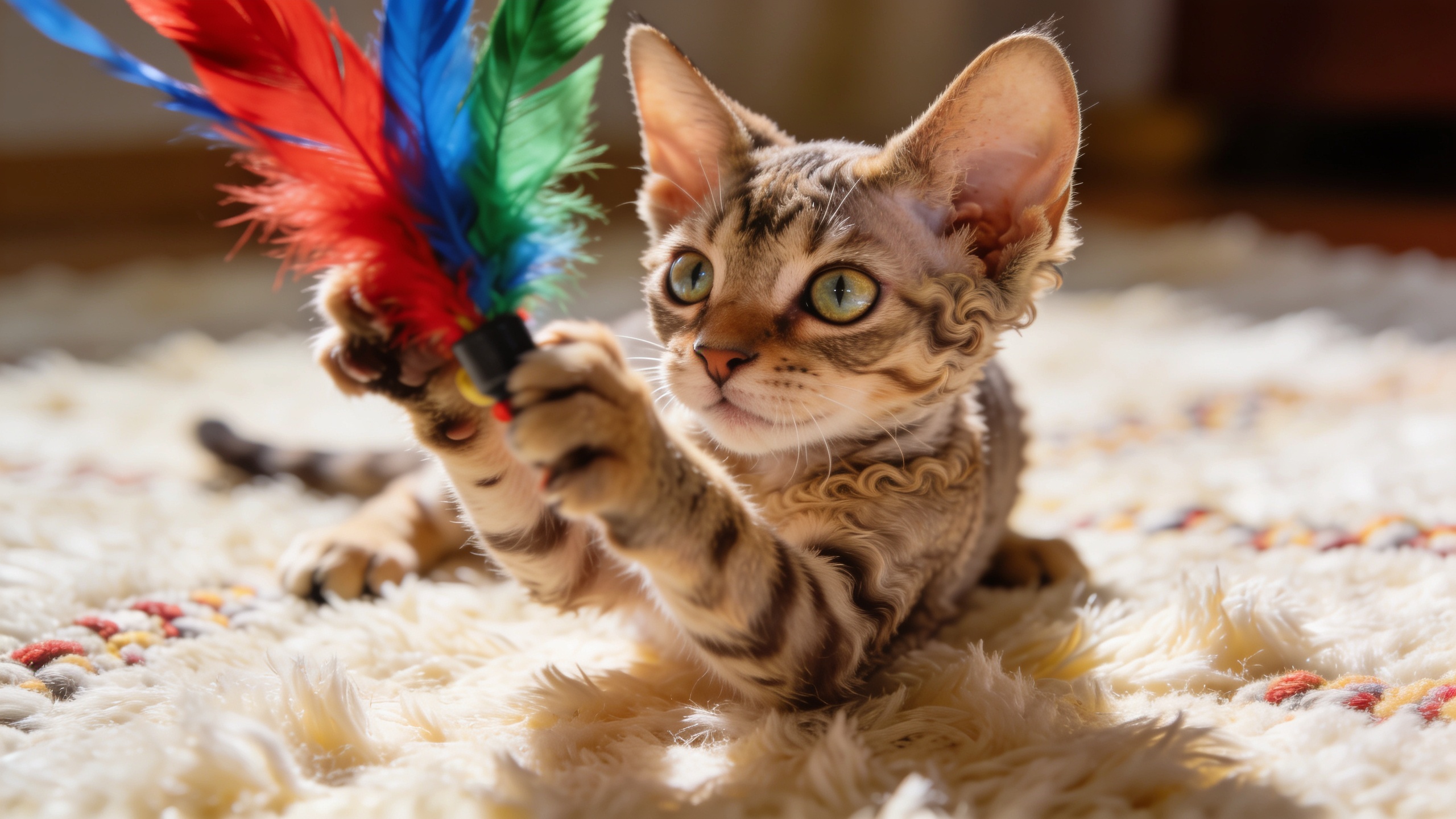
The Devon Rex originated in Devon, England, during the 1960s when a curly-haired kitten named Kallibunker was discovered in a feral cat population. Genetic mutations affecting the hair follicles resulted in an unusual curly coat. This breed’s ancestry can be traced back to the Cornish Rex, from which it diverged due to distinct genetic variations despite both sharing the same rex mutation. Subsequent breeding efforts by ornithologist Beryl Cox, who recognized the kitten’s potential, established the breed with the intent of preserving and enhancing specific traits, such as the unique coat texture and playful demeanor.
In 1967, after the breed’s formal recognition by the Cat Fanciers’ Association, the Devon Rex gained increased popularity. Breeders selectively focused on maintaining the breed’s distinctive physical characteristics: large, exaggerated ears, an oval-shaped head, and a slender, athletic body. The gene responsible for the curly fur, a recessive trait, became the focal point of breeding strategies aimed at optimizing coat quality without compromising the breed’s overall health and temperament.
Throughout the 1970s and 1980s, the Devon Rex not only flourished in breeding programs but also experienced an increase in public interest due to its affectionate temperament and playful behavior. Significant genetic contributions came from outcrossing with other breeds to improve genetic diversity and reduce potential health issues. However, breeders remained vigilant against introducing genetic anomalies that could jeopardize the intrinsic qualities of this breed.
One notable aspect of the Devon Rex history is its resilience against common feline genetic disorders, particularly given its lineage. While the breed does not carry the same predispositions to certain hereditary issues as other breeds, health screening remains critical in breeding practices. Observing hereditary health patterns, including potential heart conditions attributed to the breed’s muscular structure, becomes paramount in sustaining a robust population.

Purina Friskies Gravy Swirlers Dry Cat Food, Chicken & Salmon, 3.15 lb Bag | Protein-packed cat food kibble with swirls of delicious gravy baked in, supports immune and heart health
EUR 4.65 (as of October 2, 2026 19:09 GMT +00:00 - More infoProduct prices and availability are accurate as of the date/time indicated and are subject to change. Any price and availability information displayed on [relevant Amazon Site(s), as applicable] at the time of purchase will apply to the purchase of this product.)The breed’s unique evolution has led to a distinct lineage characterized by both aesthetic charm and interactive behavior. The Devon Rex continues to be popular not only in pedigree cat shows but also as an engaging companion breed in households, known for their intelligence and curious nature. Responsible breeding practices initiated to preserve these traits remain essential in mitigating genetic risks while adapting to current breeding standards, ensuring the Devon Rex thrives both in show rings and as beloved pets.
Characteristics of the Devon Rex
The Devon Rex is distinctively characterized by its short, curly coat, large ears, and playful, affectionate demeanor. The coat quality results from a unique mutation in the hair follicles, producing soft, rippled fur that can vary in texture and color. This structure also means this breed sheds less than many others, making it potentially suitable for allergy sufferers; however, regular grooming is necessary to remove loose hairs and skin dander, which can accumulate despite minimal shedding.
Physical characteristics include a compact, muscular frame with a rounded head and prominent cheekbones, contributing to a “pixie-like” appearance. Their large, expressive eyes and long legs further enhance their distinctive profile. It especially important to recognize that body structure can influence health; for example, their slender build may lead to issues such as obesity if overfed, necessitating careful attention to caloric intake and activity levels. Optimal weight management through controlled feeding and regular play is essential for maintaining physical well-being and promoting longevity.
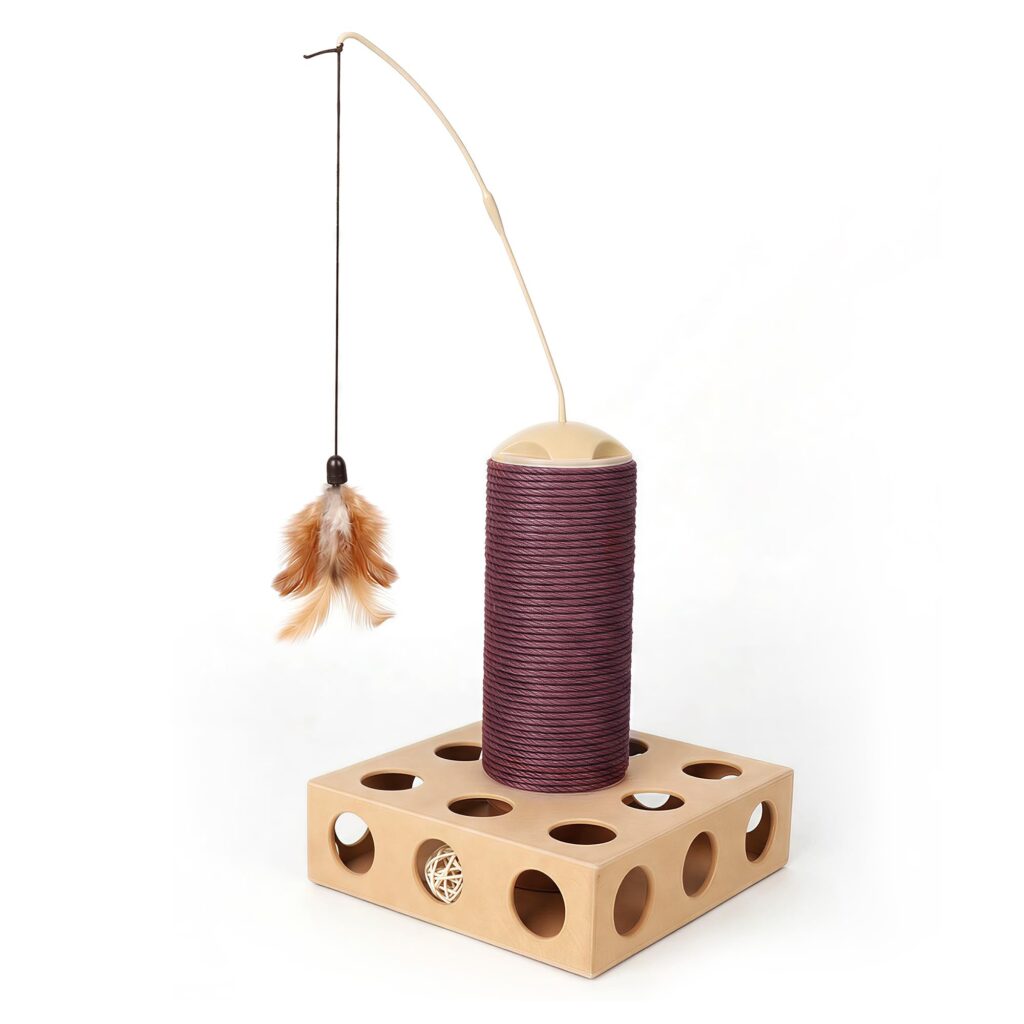
Behaviorally, the Devon Rex exhibits traits such as high intelligence, curiosity, and playfulness, often described as dog-like in their need for interaction and social engagement. They actively seek human companionship, which can make them more prone to separation anxiety if left alone for extended periods. Environmental enrichment is vital; versatile play structures, interactive toys, and regular human interaction can help satisfy their mental and physical stimulation needs.
Due to their sociable nature, early socialization is essential to foster positive interactions with other pets and people. Observing their behavior can provide insights into their emotional and physical state; signs of distress or discomfort may manifest as changes in eating habits, increased vocalization, or withdrawal from social interaction. Monitoring these behaviors can aid in early identification of health issues or stressors in their environment.
Additionally, genetic predispositions in the Devon Rex warrant attention. Although they generally avoid certain hereditary diseases, conditions such as hypertrophic cardiomyopathy (HCM) can occur, influenced by their muscular build. Routine veterinary check-ups and echo-cardiograms are advisable to monitor heart health, particularly as they age. Responsible breeding that includes health screening ensures that future generations maintain the breed’s distinctive traits while minimizing potential health risks.
The Devon Rex’s unique combination of physical characteristics and behavioral tendencies positions them as an engaging and interactive companion breed. Understanding their specific needs regarding diet, socialization, and overall care especially important for ensuring a fulfilling life for both the pet and the owner.
Care and Maintenance of the Devon Rex
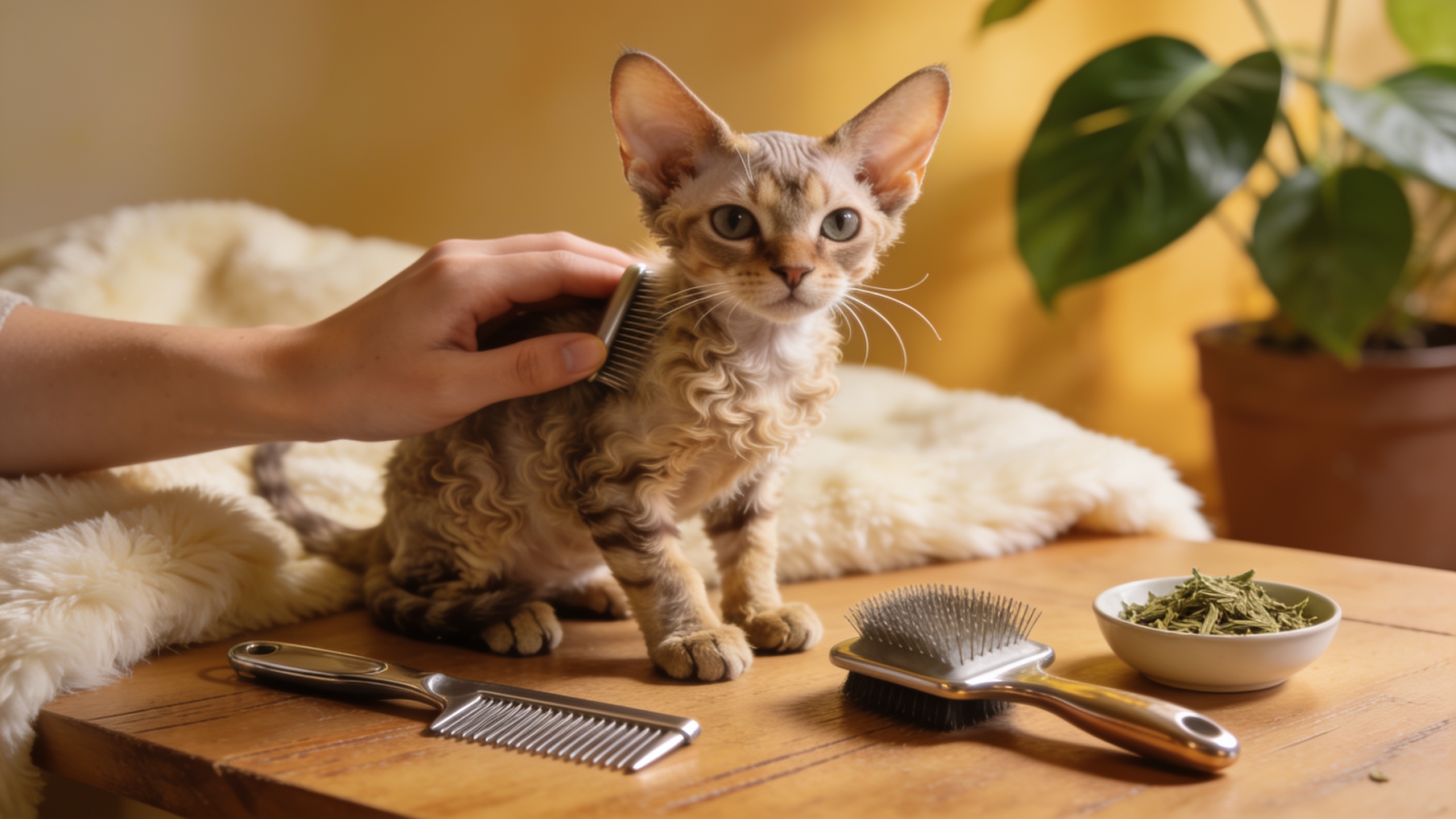
Maintaining the health and well-being of a Devon Rex requires a multifaceted approach involving diet, grooming, veterinary care, and environmental management. Due to their unique coat, grooming is a critical aspect of care. Although they shed less than many breeds, the soft, curly fur can trap dirt and oils, necessitating regular grooming sessions at least once a week. Using a soft-bristle brush combined with a rubber grooming mitt helps to remove loose hair and dander effectively, preventing skin irritations and matting that can lead to discomfort.
Diet plays a significant role in the overall health of a Devon Rex. Their naturally high metabolism, attributed to their active nature, demands a protein-rich diet with a balance of essential fatty acids. High-quality commercial cat foods, whether dry or wet, formulated for active adult cats are recommended, focusing on those that highlight meat as the primary ingredient. Portion control is vital; free-feeding can lead to obesity due to their propensity to overeat, particularly if the owner is not mindful of food intake during playtime. Encouraging slow feeding with puzzle feeders can stimulate mental engagement while promoting healthy eating habits.
Hydration is another critical aspect of nutrition, as some Devon Rex may have a lower thirst drive than other breeds. Ensuring fresh, clean water is available at all times especially important. To encourage more water intake, consider incorporating wet food into the diet, which provides additional moisture. Observing changes in water consumption can indicate health issues, making it a vital part of routine monitoring.
Routine veterinary care, including annual wellness exams and vaccinations, is essential to detect potential health problems early. Regular monitoring for conditions such as dental disease, which can be common in this breed, is necessary to prevent complications. Dental hygiene can be supported through specific dental diets and regular tooth brushing, starting at an early age. Additionally, engaging a veterinarian for cardiac evaluations, particularly as they age, is critical due to the breed’s susceptibility to hypertrophic cardiomyopathy.
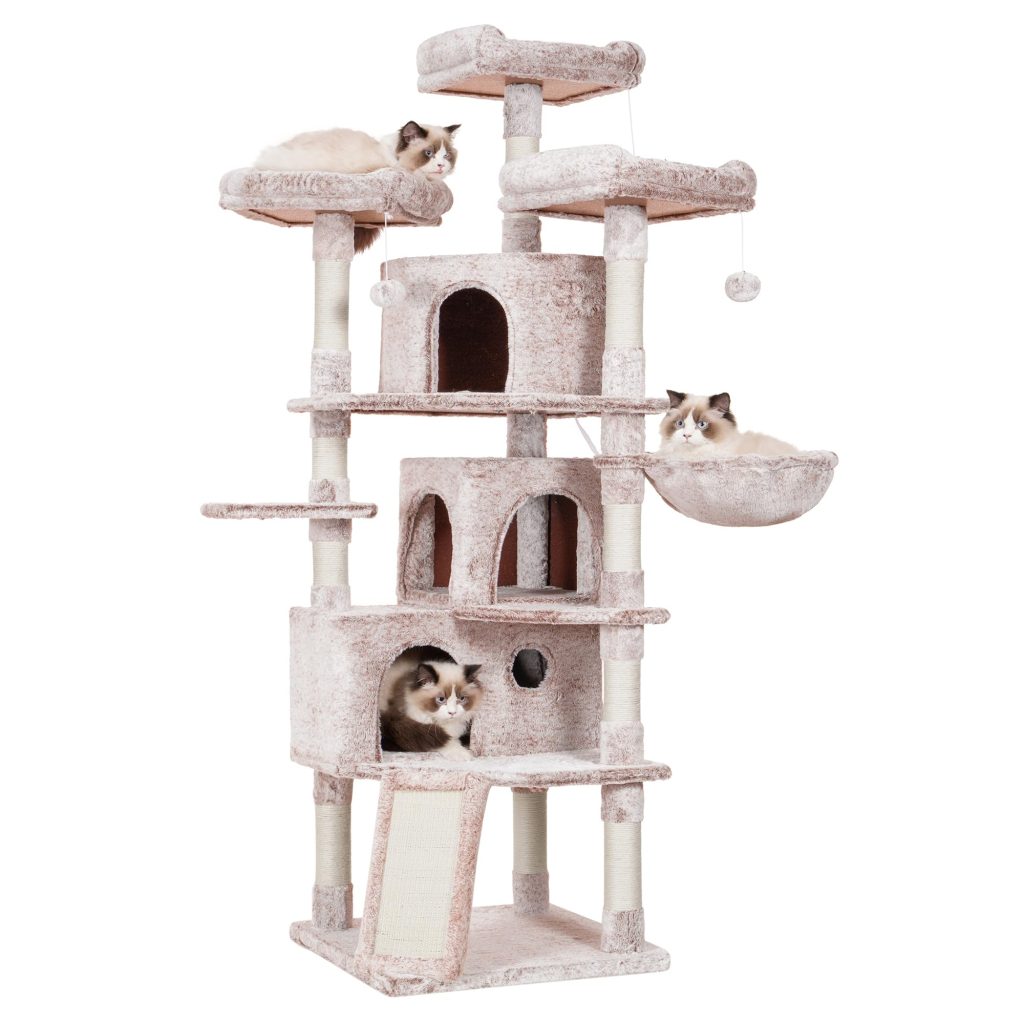
An appropriate living environment is integral to the Devon Rex’s well-being. They thrive in households with plenty of interactive opportunities and places to explore. Providing vertical spaces, like cat trees and shelves, encourages climbing and exercise, which supports muscular health. Interactive play very important to fulfill their need for physical activity and intellectual engagement; regular sessions with toys that require them to chase, capture, or solve problems are beneficial.
Socialization should be prioritized, given their affectionate nature. Exposing them to various environments, people, and other animals fosters well-rounded behavioral development. Signs of stress, such as excessive vocalization or avoidance behaviors, should be addressed promptly by evaluating their interactions and environment. Implementing gradual introductions and safe spaces can help manage potential anxiety. Understanding these elements of care is important to nurturing a Devon Rex this is both healthy and emotionally balanced.