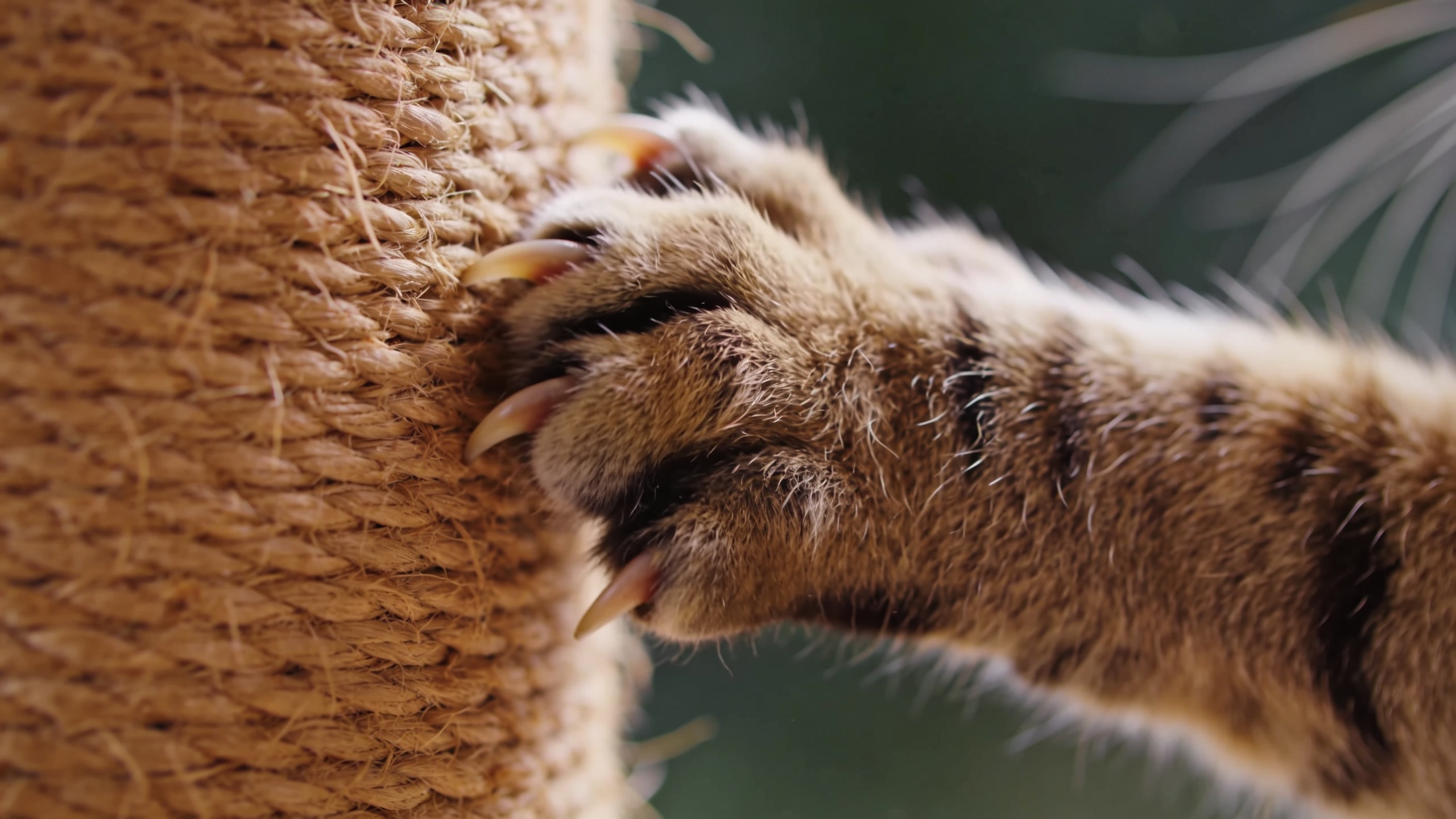
Scratching in felines serves multiple essential functions, deeply embedded in their instinctual repertoire. It’s a natural behavior exhibited by all cats, irrespective of age or breed, rooted in their need for physical and psychological stimulation. This act allows cats to maintain their claws by removing the old outer sheath, revealing the sharper, healthier claw beneath, which is critical for climbing and hunting instincts.
Additionally, scratching is a territory-marking behavior. Cats possess scent glands located in their paws; as they scratch, they transfer their scent onto the surface, signaling ownership and establishing territory. This territorial assertion can reflect their need for security within their environment, which is particularly important in multicat households where competition for space is heightened.
The act of scratching also serves as a form of exercise and stress relief. Cats need to stretch their muscles, and scratching aids in this physical activity, particularly engaging their back and shoulder muscles. When a cat scratches after a long period of inactivity, it demonstrates a natural way to release energy and relieve pent-up stress. Furthermore, scratching can occur as a response to anxiety or changes in the environment, such as new furniture, different household dynamics, or unfamiliar visitors.
Behavioral variations can occur depending on cat breeds: for example, Siamese and other Oriental breeds may exhibit higher scratching activity due to hyperactivity, while Persian cats, with their calmer demeanor, may scratch less aggressively. Age also plays an important role; younger cats are often more energetic and may scratch more frequently to communicate playfulness, while older cats might scratch less frequently but with more intensity when they do engage in the behavior.

Delectables Squeeze Up Variety Pack, Creamy Squeezable Puree, Lickable Wet Cat Treats, Grain Free, No Added Fillers, No By-Products, No Added Preservatives, 0.5 Ounces Tube, 24 Tubes Total
EUR 9.95 (as of September 24, 2026 14:32 GMT +00:00 - More infoProduct prices and availability are accurate as of the date/time indicated and are subject to change. Any price and availability information displayed on [relevant Amazon Site(s), as applicable] at the time of purchase will apply to the purchase of this product.)Identifying the preferred scratching surfaces of a cat can provide insights into their scratching preferences. Cats often favor vertical surfaces for stretching and marking territory. Observing your cat’s choice of surfaces—whether it’s furniture, carpets, or designated scratching posts—can guide effective management strategies. Providing alternative scratching surfaces, like sisal-covered posts or cardboard scratchers, can redirect this behavior positively.
Recognizing signs of stress or frustration tied to their scratching patterns especially important. If a cat scratches destructively, it may indicate a need for environmental enrichment or behavioral modifications. Monitoring your cat’s behavior around new stimuli and assessing their body language can offer vital clues for intervention. Always ensure that scratching posts are placed in high-traffic areas to encourage usage and alleviate excessive scratching on prohibited items.
Reasons behind scratching
Understanding the underlying causes of scratching is critical for effective behavior management. The primary motivation stems from instinctual drives. Cats use their claws not only for physical maintenance but also to express emotional states, meaning any deviations from typical scratching behavior can indicate emotional distress, boredom, or territorial disputes.
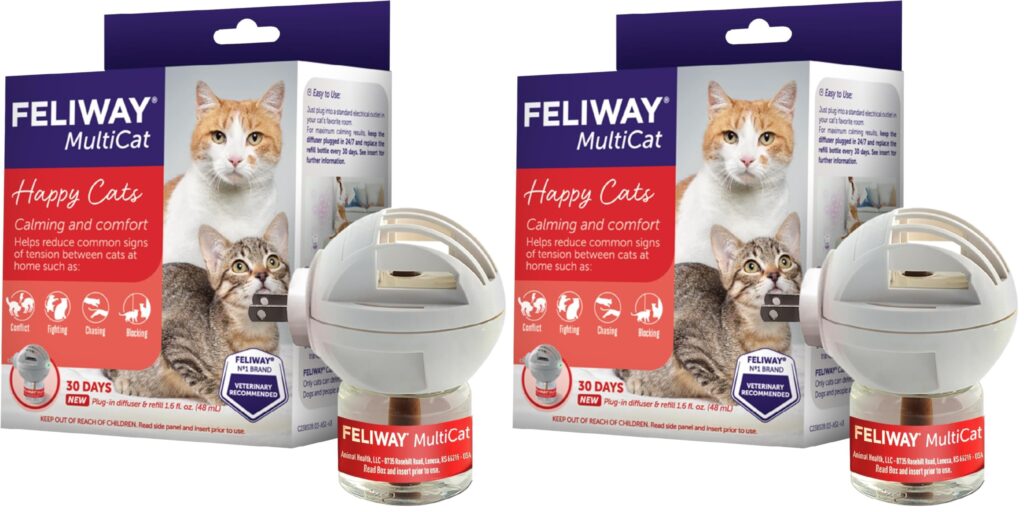
Social dynamics significantly influence scratching behavior. In multi-cat households, dominant cats may engage in more scratching as a display of control, while subordinate cats may scratch less frequently due to stress. Identifying the social hierarchy and any associated aggression is essential for addressing problematic scratching. Signs of conflict, such as hissing or avoidance, indicate that one cat’s scratching may be a reaction to perceived threats, necessitating environmental adjustments or behavioral interventions.
Additionally, the environment plays a pivotal role in a cat’s scratching behavior. A lack of adequate enrichment can lead to increased destructive scratching as a means of coping with boredom or frustration. Factors such as the arrangement of furniture, availability of perches, or interactive play are essential in providing mental stimulation. Scratching is more prevalent in environments where cats feel insecure or stressed; changes in household routines, such as new pets or alterations to the home, can exacerbate this behavior.
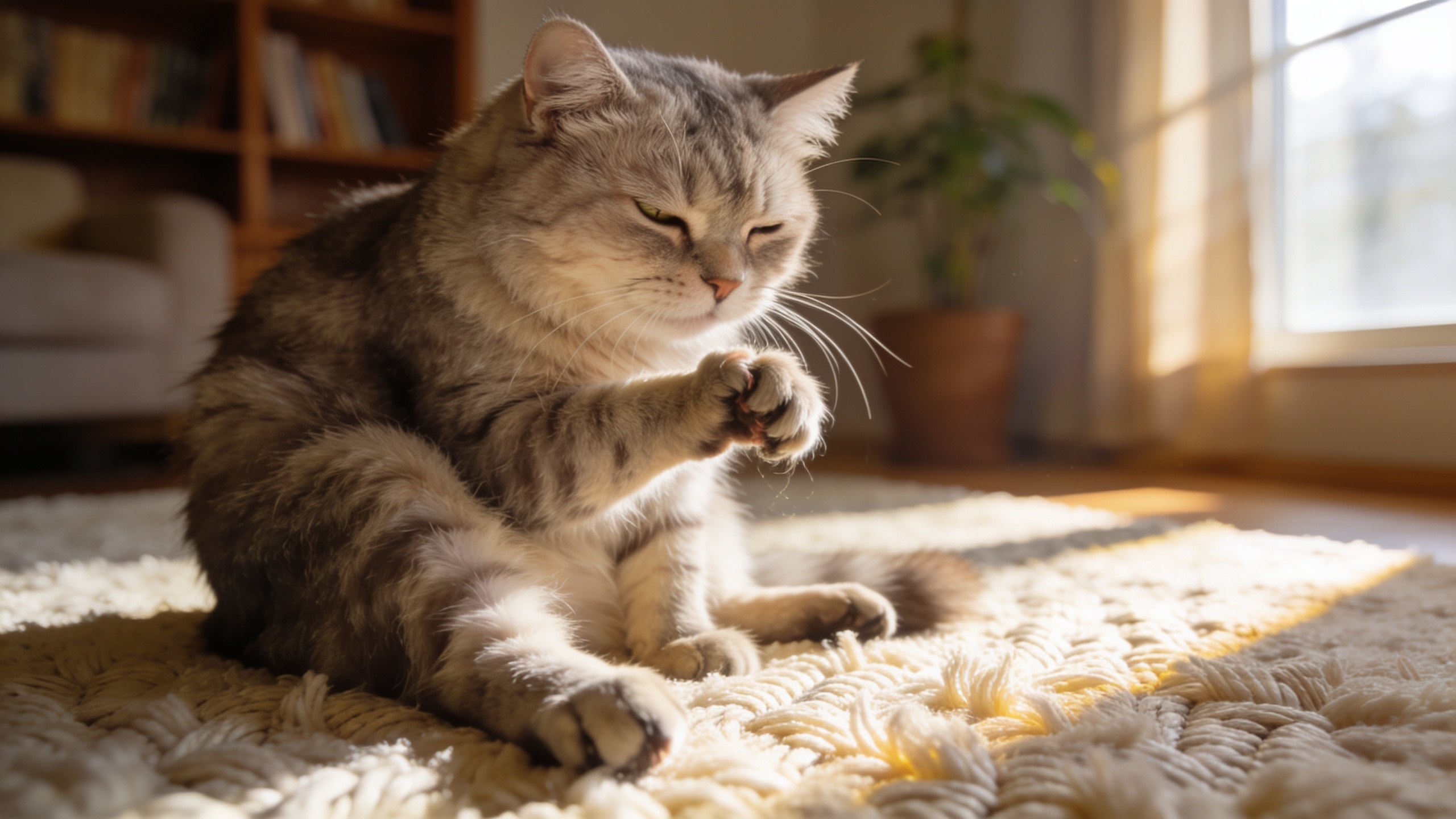
Age-related factors should also be considered. Kittens exhibit intense scratching behavior as part of their development, exploring their environment and honing their motor skills. As cats mature, their scratching habits often stabilize, yet senior cats may return to more frequent scratching due to discomfort or arthritis, particularly if their mobility is hampered. Providing soft, accessible scratching surfaces helps accommodate their needs and encourages continued healthy behavior.
The material composition of surfaces is another crucial factor influencing scratching behavior. Cats often demonstrate material preferences; for instance, many cats prefer textured surfaces such as sisal or carpet over smooth plastic. Understanding these preferences allows for targeted interventions. Scratchers that reflect a cat’s natural inclinations regarding material and orientation—vertical versus horizontal—should be routinely assessed to ensure effectiveness and engagement.
Nutritional factors can also indirectly influence scratching behavior. A diet deficient in essential fatty acids may lead to dry skin, prompting increased scratching as a method of relief. Maintaining proper nutrition supports overall skin and coat health, reducing the inclination towards destructive scratching. Monitoring any changes in behavior alongside dietary habits can illuminate potential adjustments needed in their nutrition.
Effective redirection techniques
Implementing effective redirection techniques requires first understanding your cat’s preferences and needs. Providing a variety of scratching surfaces is crucial; options should include vertical and horizontal scratchers made from materials that naturally attract cats, such as sisal, cardboard, or carpet. Position these scratchers in desirable locations, ideally in areas where cats spend time and near their favorite resting spots, to encourage regular usage and reduce the likelihood of destructive scratching.
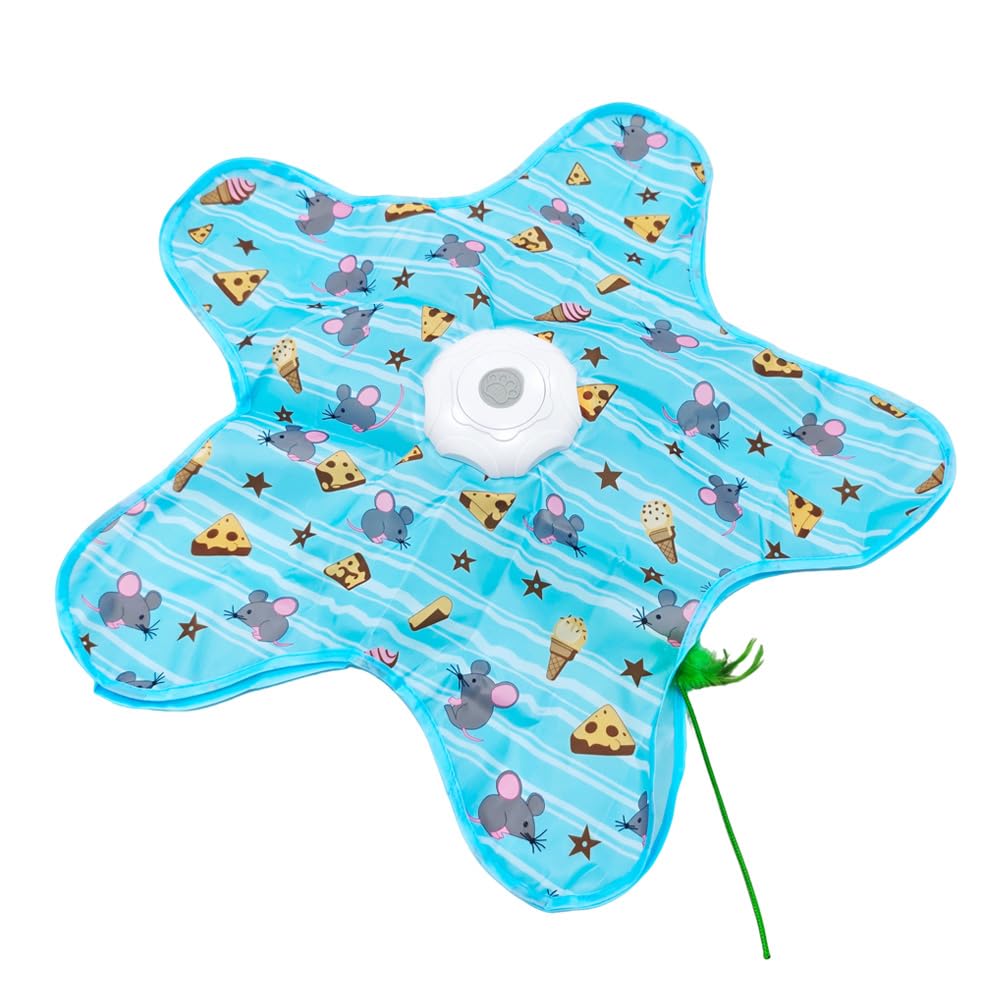
To redirect scratching behavior, actively engage your cat in play using interactive toys—this not only diverts their attention from inappropriate surfaces but also fulfills their need for physical and mental stimulation. Use toys that mimic prey behavior, like feather wands or laser pointers, to evoke hunting instincts and can satisfy their natural urges in a playful manner. After engaging in play, guide them to an appropriate scratching post or pad, reinforcing the association between playtime and designated scratching areas.
Additionally, employing positive reinforcement techniques can significantly enhance redirection efforts. Whenever your cat uses a designated scratching post, reward them with a treat or verbal praise, creating a positive feedback loop. Timing is critical; rewards should be delivered immediately after appropriate scratching to reinforce the behavior effectively. Eventually, this approach will condition your cat to seek out appropriate surfaces voluntarily.
In some cases, the use of deterrents on inappropriate surfaces may be necessary. Apply safe, non-toxic sprays that deter cats from scratching, but ensure they do not create aversive associations with areas that are safe and acceptable to explore. Using double-sided tape on furniture can also discourage unwanted scratching due to its sticky texture, which many cats dislike. However, care must be taken to ensure these deterrents are used in conjunction with positive reinforcement of desirable behaviors to avoid creating a negative environment.
Monitoring your cat’s body language and stress signals is essential when implementing redirection strategies. If a cat is agitated or seems resistant, consider adjusting your approach, as tension can hinder progress. Gradually introducing new scratchers or adjusting placements based on their preferences can improve acceptance. Regular observation will help determine the effectiveness of redirection and inform necessary adjustments to the environment or strategies used.
Additionally, introducing environmental enrichment can significantly impact scratching behavior. Carefully curated play areas featuring climbing structures, hiding spots, and stimulation through interactive elements, such as puzzle feeders, can decrease boredom and anxiety levels. Such enhancements will not only satisfy physical needs but also encourage cats to engage in scratching behavior this is appropriate while mitigating stress-induced scratching elsewhere.