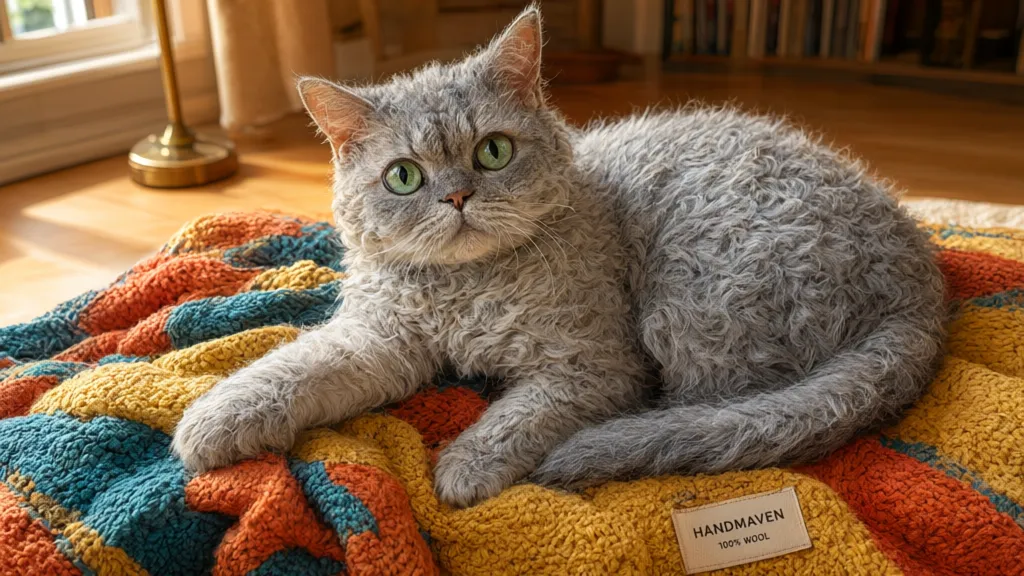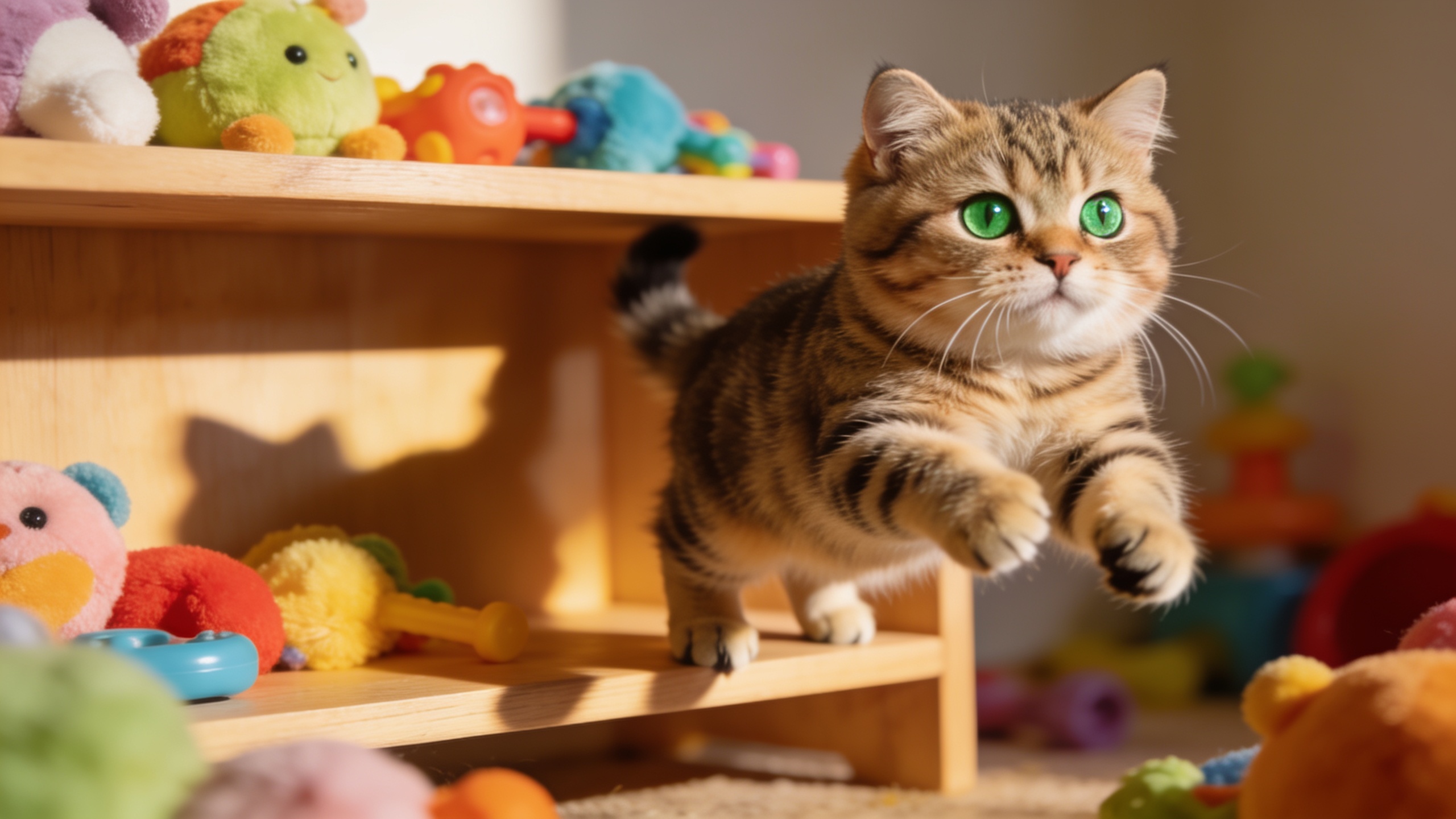
Munchkin cats exhibit distinct physical characteristics primarily attributed to a genetic mutation affecting their long bones, particularly the limbs. The breed is recognized for its short stature, with a typical height ranging from 5 to 7 inches, which results from a dominant gene named ‘Ld’ (longhair die). While their legs are notably shorter than those of standard cats, their bodies remain medium-sized and muscular, contributing to an athletic appearance.
Additionally, Munchkins possess a broad chest, rounded skull, and slightly rounded faces. This breed commonly features large, expressive eyes, which can be blue, green, or gold, enhancing their visual charm. Ears are typically large and slightly flared, contributing to their keen sense of hearing, essential for their predatory instincts, despite their whimsical appearance.
The coat of Munchkins displays a variety of colors and patterns, including solid, tabby, bicolor, and more. This diversity indicates that coat type is not related to the gene affecting leg length; both long-haired and short-haired variants are present. Long-haired Munchkins possess a soft, semi-long coat that can lead to increased grooming needs to avoid matting, especially in densely coated areas like the armpits and between toes.
Behaviorally, Munchkins exhibit playful and active traits, which are often surprising given their short limbs. Their propensity for jumping and climbing can sometimes be misjudged; they’re capable of nimble movements, using their back legs to propel themselves to significant heights despite their shorter front legs. Socially, they tend to be curious and engage well with humans and other pets, benefiting from interactive play sessions that stimulate their mental and physical well-being.
Now retrieving an image set.
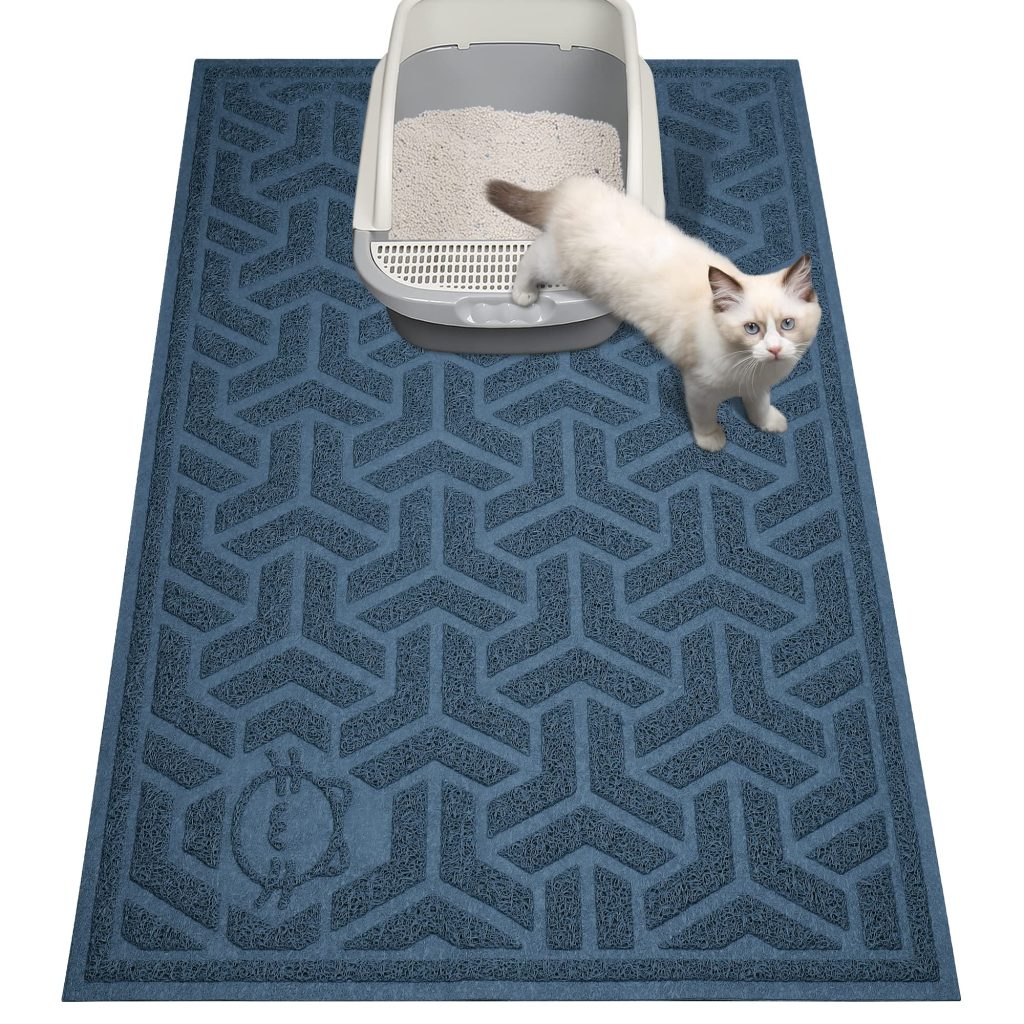
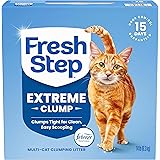
Fresh Step Extreme Clump Multi Cat Clumping Cat Litter, 14 lb. | Forms Tight Clumps, Easy To Scoop, Scented, Ammonia Block Technology, Low Dust, Compatible with Most Auto Litter Boxes
EUR 8.58 (as of September 9, 2026 06:57 GMT +00:00 - More infoProduct prices and availability are accurate as of the date/time indicated and are subject to change. Any price and availability information displayed on [relevant Amazon Site(s), as applicable] at the time of purchase will apply to the purchase of this product.)Observational signs of underlying health issues may include difficulty in jumping, reluctance to play, or limping, which can be indicative of skeletal complications. Regular veterinary check-ups are crucial for monitoring bone health, as progressive orthopedic conditions may arise, including lordosis or pectus excavatum due to their unique physiology.
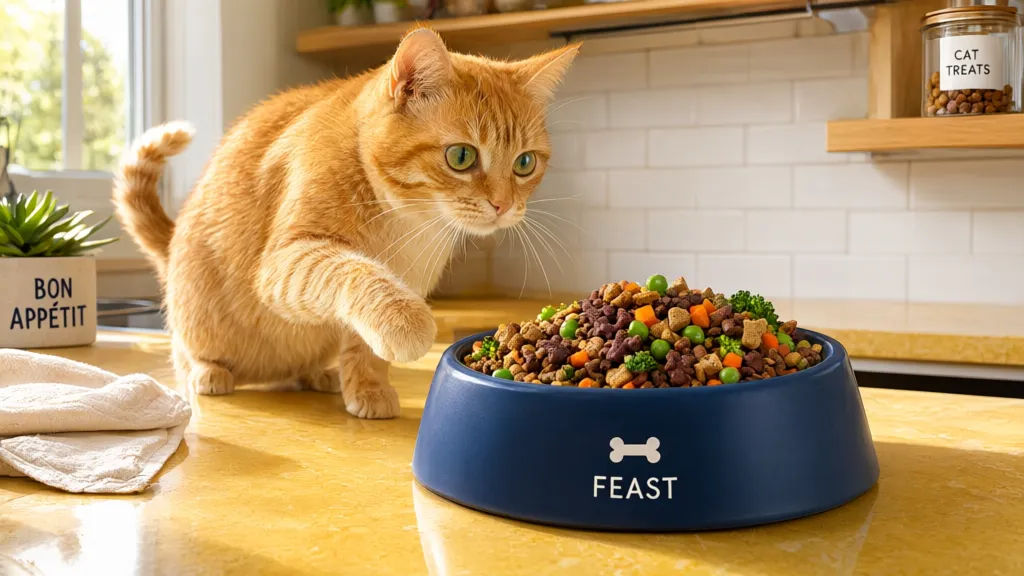
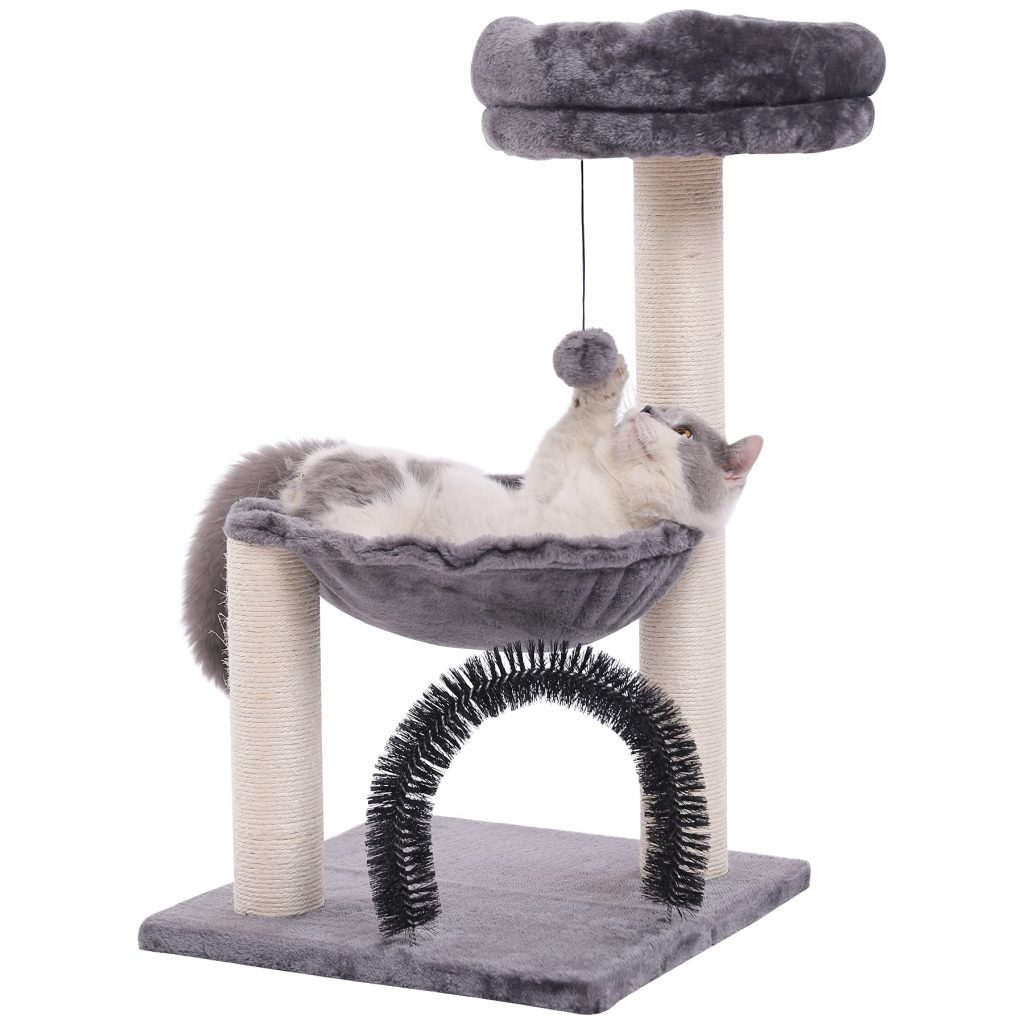
In managing their environment, owners should ensure safe vertical spaces for climbing and play, as sedentary behavior can lead to obesity in this breed. Proper nutrition, combining high-quality commercial cat food with age-appropriate formulations, is essential in regulating their weight and supporting overall health. Special attention should be paid to balance dietary fats and proteins, as active Munchkins require proper caloric intake to maintain their energy levels without experiencing undue strain on their joints.
Munchkin cats are characterized by their unique physical attributes, playful demeanor, and specific care needs, which together demand a well-informed approach to their management and welfare.
Munchkin cat care
Ensuring proper care for Munchkin cats involves a thorough understanding of their unique requirements related to diet, health, and environment. Their short stature and genetic predisposition necessitate specific attention to physical health and activity levels.
Nutrition must be tailored to support their muscular build while managing their caloric intake to prevent obesity, a risk heightened by their limited mobility. Owners should prioritize high-quality protein sources in their diets, as Munchkins benefit from formulations that support muscle maintenance and overall vitality. Look for commercial cat food that lists meat as the primary ingredient and has a balanced ratio of fats and carbohydrates. Consultation with a veterinarian for a tailored feeding schedule that accounts for their age and activity level is advisable.
Regular dental care is important, as the breed may be at risk for dental issues. Daily tooth brushing using feline-specific toothpaste can mitigate plaque buildup. Additionally, incorporating dental treats or toys into their routine may further promote oral hygiene without the need for excess intervention. Regular veterinary check-ups facilitate the early detection of potential dental disease and other health complications.
As Munchkin cats are prone to certain orthopedic conditions due to their genetic makeup, proactive health monitoring is essential. Signs of discomfort, including difficulty in movement, lethargy, or changes in posture, warrant immediate veterinary assessment. Implementing a preventive care routine that includes routine examinations focusing on joint health can aid in early diagnosis of issues like lordosis or pectus excavatum, which may require orthopedic interventions.
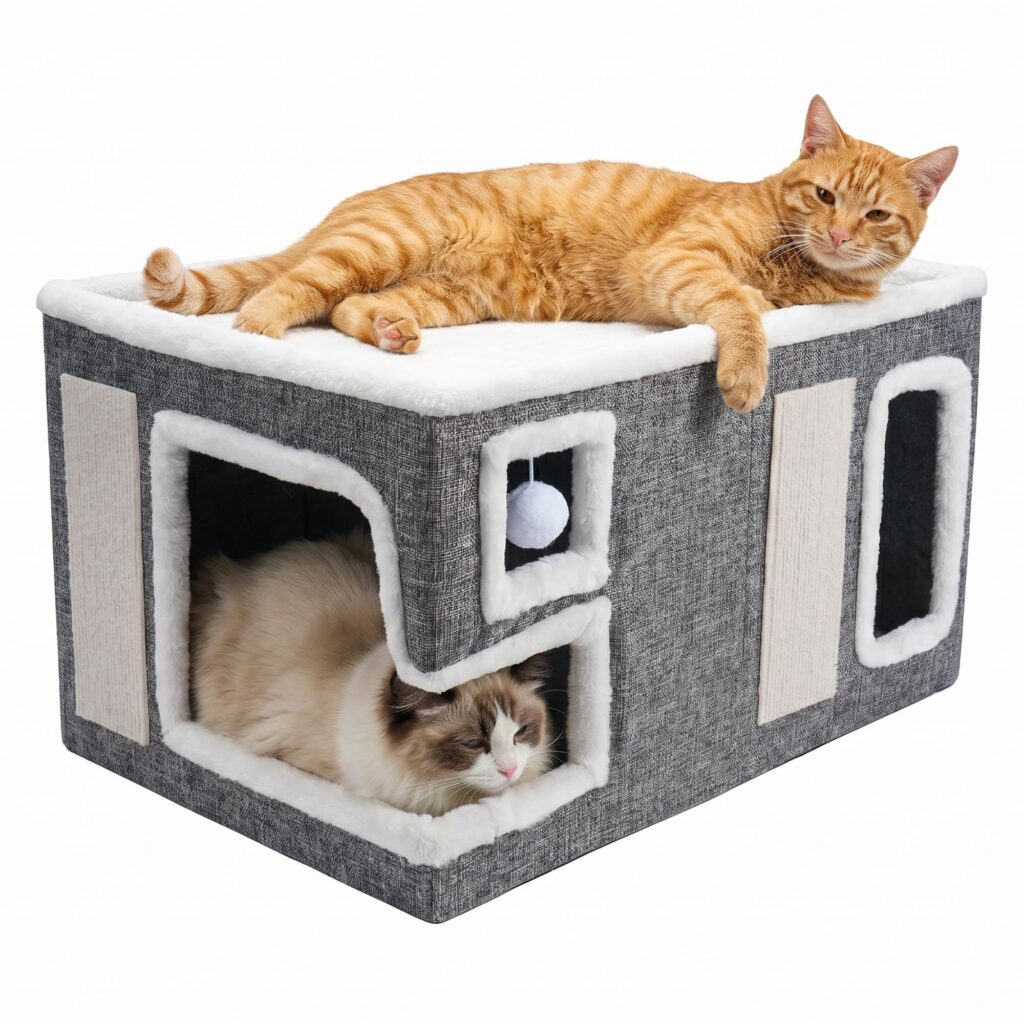
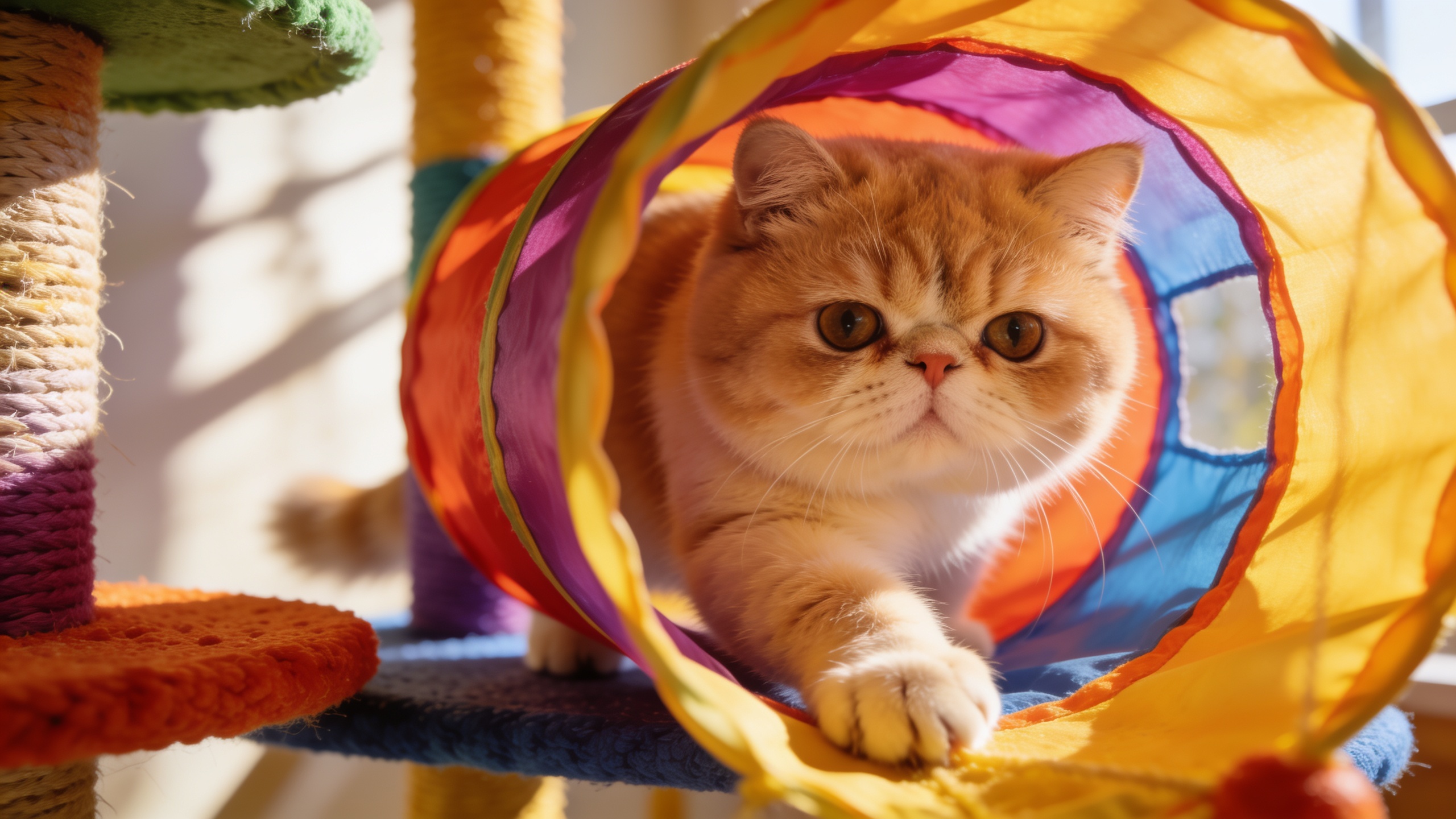
Environmental enrichment is key to their well-being. Providing diverse climbing structures will promote their physical fitness and mental stimulation. Munchkins may exhibit exploratory behavior; therefore, ensuring that vertical space is maximized can compensate for their leg length. Interactive toys, puzzle feeders, and regular playtime foster their playful nature, satisfying their need for physical engagement while strengthening the human-animal bond.
Grooming practices must consider their coat type. Long-haired Munchkins require regular brushing to prevent matting and skin issues. Monitor areas prone to tangling, such as the armpits and between toes, and establish a grooming routine to facilitate coat maintenance. Short-haired Munchkins, while less demanding, still benefit from periodic brushing to manage shedding and skin health.
Munchkin cats thrive in social environments. Facilitating positive interactions with humans and other pets can enhance their emotional well-being. Behavioral enrichment through supervised playdates can lead to healthier social habits and reduce stress. Monitoring their behavior during these interactions ensures they receive adequate social stimulation while minimizing anxiety.
Munchkin cat history
The origins of the Munchkin cat breed trace back to the early 1980s, primarily in the United States. Initially, short-legged cats were discovered in Louisiana, where they were often mistaken for strays. The foundation of the breed began when a teacher, Sandra Hochenedel, adopted and began breeding these cats, recognizing the distinctiveness of their stature.
Genetically, the Munchkin is characterized by an autosomal dominant mutation affecting the skeletal system. This mutation, specifically the ‘Ld’ gene, influences the growth of long bones, particularly in the limbs, resulting in the breed’s short stature. The hereditary nature of this gene means that breeding Munchkins requires careful management to ensure a healthy gene pool, preventing potential skeletal abnormalities associated with inbreeding.
During the breed’s early development, it faced significant scrutiny concerning its health and welfare. The controversy stemmed from concerns similar to those associated with other dwarf breeds, such as Achondroplastic dwarfism in dogs. Feline health advocates voiced objections regarding the implications of breeding for short legs and raised potential health issues, specifically relating to a negative impact on the musculoskeletal system. However, ongoing research demonstrated that, when properly managed, Munchkin cats do not exhibit significant long-term health complications directly related to their stature.
In 1994, the International Cat Association (TICA) granted the Munchkin breed championship status, further establishing its legitimacy within the feline community. This recognition spurred a rise in popularity, leading to increased selective breeding practices aimed at enhancing desirable traits, such as temperament and physical attributes, while maintaining a focus on overall health.
Today, Munchkin cats are celebrated for their vibrant personalities and adaptability in various living environments. Despite their unique physical traits, they’re recognized for their ability to engage in traditional feline behaviors, including climbing and jumping, debunking initial misconceptions about the limitations of their anatomy.
Notably, Munchkins have become prominent in popular culture, appearing in media and thus influencing public perception of the breed. Subsequent generations of breeders have sought to enhance genetic diversity while emphasizing responsible breeding practices. Therefore, understanding the historical context of the Munchkin cat very important for recognizing its characteristics and care requirements, contributing to informed decisions regarding its welfare and management.