Feline jealousy emerges as a complex behavioral response influenced by evolutionary traits rooted in territoriality and social hierarchy. Unlike dogs, cats are more independent, but they still exhibit rivalrous behaviors, particularly in multi-pet households. This manifests when one cat perceives a threat to its status or resources, which can include food, attention from humans, or access to favored resting areas.
Understanding feline jealousy requires recognizing its triggers. Environmental changes, such as new pets entering the household, alterations in the owner’s routine, or even relocation can amplify feelings of insecurity, leading to jealous behaviors. Cats possess a keen ability to sense emotional shifts in their human companions, making them susceptible to changes in their caretakers’ attention dynamics. Certain breeds, especially those historically raised for companionship, such as Ragdolls and Siamese, may exhibit heightened sensitivity to perceived competition.
Cognitive and emotional development in kittens plays an important role in shaping jealousy. Early socialization is paramount; kittens that experience positive interactions with various stimuli are less likely to develop jealousy as adults. Conversely, inadequately socialized cats may respond to perceived rivals with aggression or withdrawal. Genetic predispositions can also influence jealousy; breeds that show higher sociability may respond with more pronounced jealousy-driven behaviors in competitive contexts.
Physiological factors, including stress responses, are involved in jealousy. Elevated cortisol levels, a hormone indicating stress, can result in behavioral issues like marking territory or aggressive interactions. Observing stress-induced behaviors can facilitate timely intervention, and it’s vital to monitor changes in litter box habits, grooming behaviors, and appetite, as these might indicate underlying anxiety. Chronic jealousy can lead to detrimental effects on physical health due to stress-related disorders, so addressing root causes promptly is essential.

Cat's Pride Antibacterial Litter, Odor-Eliminating Scented 12lb
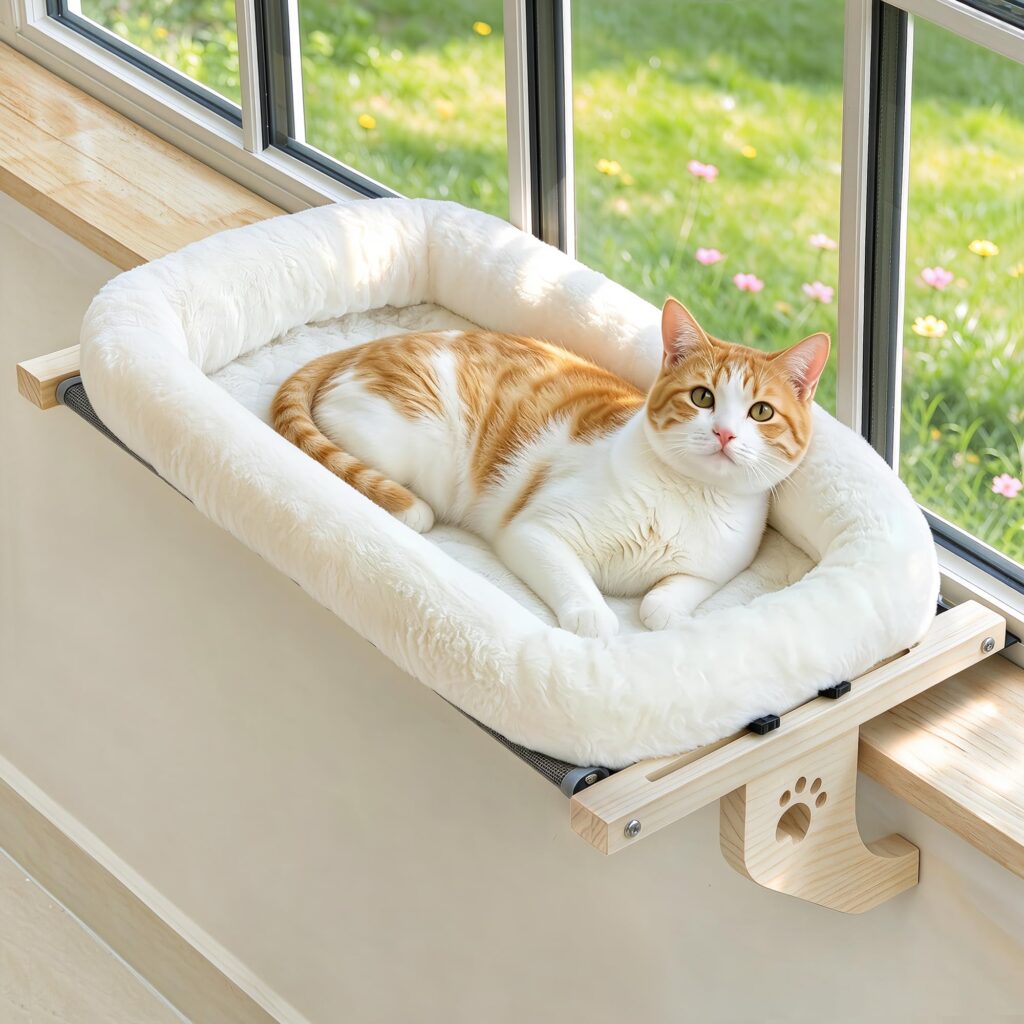
$9.48 (as of October 28, 2026 02:02 GMT +00:00 - More infoProduct prices and availability are accurate as of the date/time indicated and are subject to change. Any price and availability information displayed on [relevant Amazon Site(s), as applicable] at the time of purchase will apply to the purchase of this product.)Establishing clear hierarchies among pets can help mitigate jealousy. Using vertical space, such as cat trees and shelves, allows individual cats to claim territories while maintaining a view of their environment, which can reduce competition. Providing separate resources—food bowls, litter boxes, and resting spots—ensures that all felines feel secure in their space. Enrichment activities that engage both the human and feline participants can redirect focus from perceived rivals, emphasizing bonding rather than competition.
Using pheromone diffusers can also alleviate tension; synthetic feline facial pheromones promote a sense of security that may counteract feelings of jealousy. Additionally, reinforcing positive behaviors through rewards when displaying calm interactions can gradually decrease the intensity of jealousy. Understanding these multifaceted elements of feline jealousy not only enhances pet welfare but also promotes a harmonious household dynamic.
Identifying signs of possessiveness
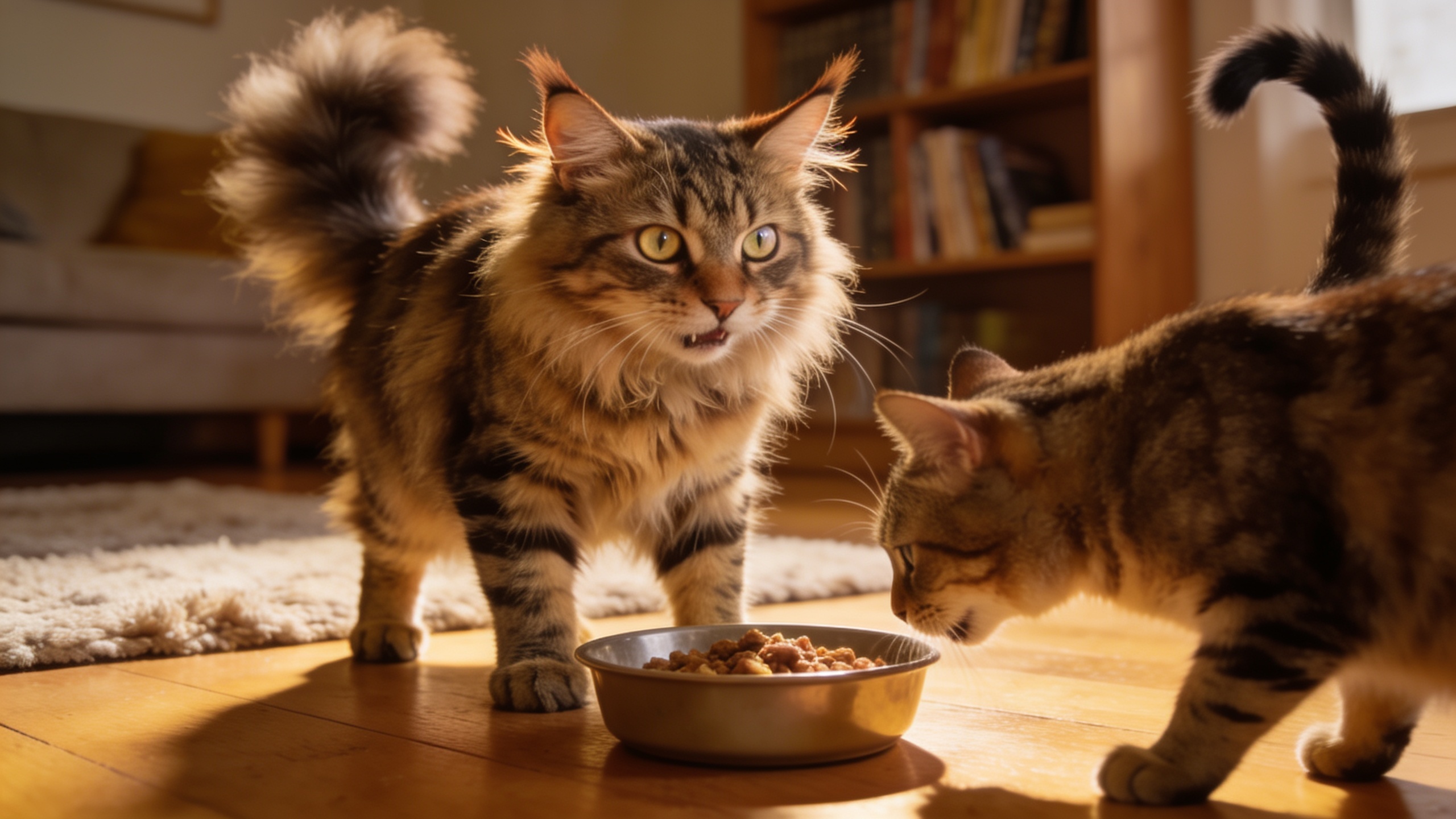
Observing possessive behavior in cats necessitates careful attention to their interactions and body language. Signs may include aggression, growling, or vocalizing when another pet approaches food, a favorite toy, or a resting area. This behavior can escalate to stalking or blocking another cat’s access to resources, indicating a desire to maintain dominance over that space or resource. Unlike simple territoriality, possessiveness often arises from insecurity; a cat may feel that its access to food or affection is threatened, triggering defensive reactions.
Physical cues are essential in identifying possessive behavior. A cat displaying dilated pupils, fluffed fur, or a low, flat posture may signal discomfort or agitation as it perceives an encroaching threat. Inter-cat interactions can also reveal possessiveness; alongside aggressive gestures, behaviors such as slow blinking or head bunting can express a cat’s intent to assert ownership. Furthermore, if a cat frequently attempts to obstruct another pet’s movements or engages in ‘herding’ behaviors—nudging or guiding its housemate away from a resource—it may indicate possessiveness.
Age can play a significant role in possessive behaviors. Kittens may display these tendencies less frequently due to their developmental stage, whereas adult cats, especially those not adequately socialized in their formative weeks, may show strong possessiveness over resources. Neutering or spaying can also influence these behaviors; intact animals may exhibit heightened territoriality. Monitoring animal behavior post-surgical intervention can provide insights into changes in possessiveness, as the removal of hormonal influences can sometimes decrease competitive tendencies.
Environmental factors contribute significantly to possessiveness. Cats living in cramped or poorly divided spaces may resort to possessive behaviors as they vie for limited resources. Creating multiple feeding stations or designated lounging areas can alleviate territorial disputes. Additionally, enforcing a routine that ensures each pet receives individual time and attention may lessen feelings of competition. Interactive play sessions that involve both cats can also foster cooperative behavior, mitigating possessive tendencies by reinforcing positive interactions.
Changes in household dynamics, such as introducing a new pet or experiencing alterations in human attention, can exacerbate possessiveness. Increased vigilance toward body language and vocal cues during these transition periods very important. Engaging a pet behaviorist when observing persistent possessive behaviors can provide tailored strategies for resolution, focusing on behavior modification techniques, understanding triggers, and improving the overall cat environment to support a peaceful coexistence.
Strategies for managing jealousy
Implementing effective management strategies for feline jealousy involves a multifaceted approach centered on environmental modification, behavioral training, and attention redistribution. Establishing a stable routine can significantly diminish feelings of insecurity in cats. Predictability in feeding times, play sessions, and general household activities creates a sense of security, allowing cats to anticipate interactions rather than perceive them as threats. A structured daily schedule helps reinforce each cat’s place in the home hierarchy, reducing competitive anxiety, particularly in high-strung or sensitive breeds.
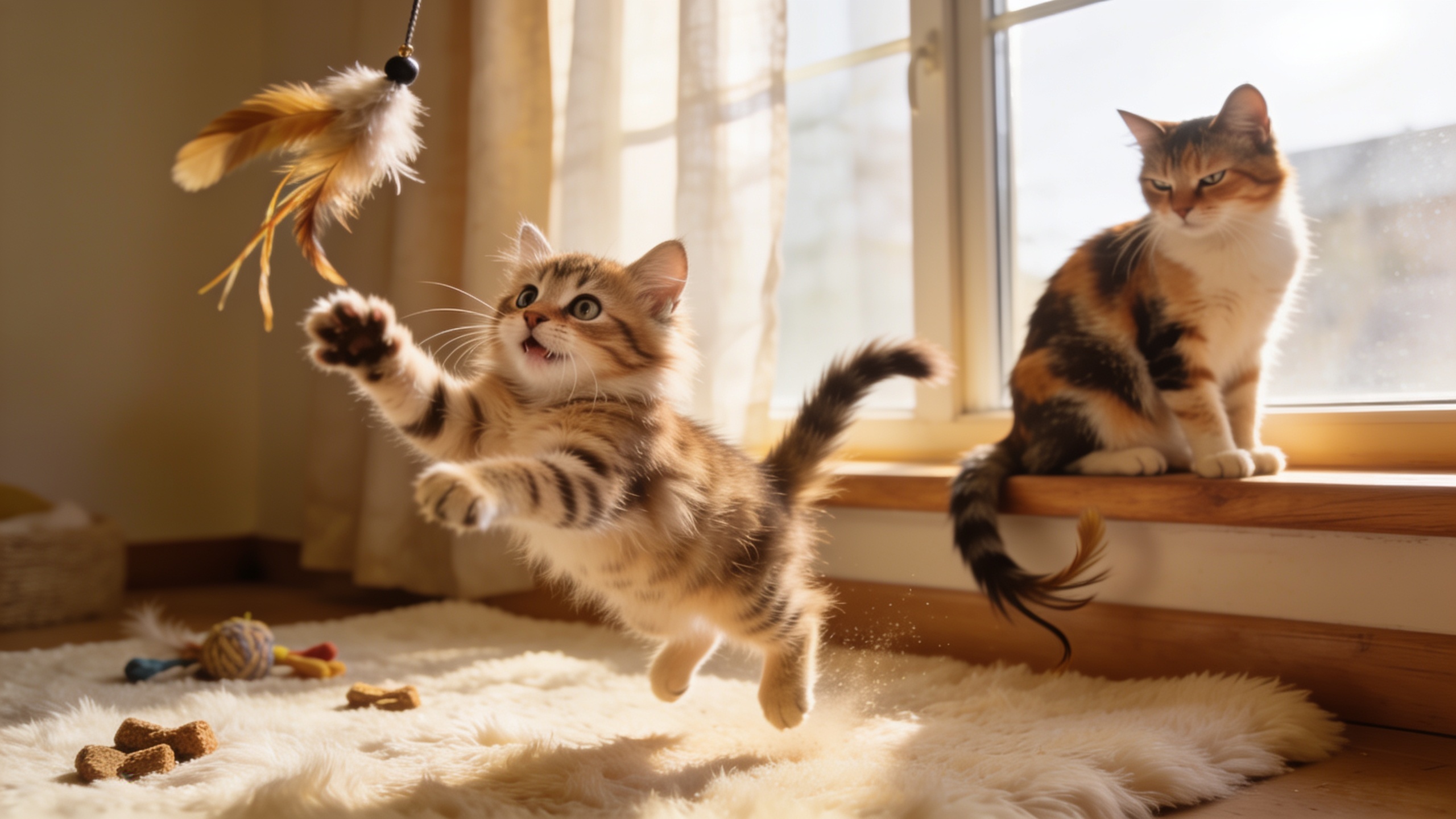
Environmental enrichment is critical in managing jealousy. Providing vertical space, such as cat trees or shelves, allows for territorial expansion without physical confrontation, enabling cats to observe each other safely from a distance. Incorporating scratching posts and additional hiding spots can alleviate competition for resources. Interactive toys that engage a cat’s hunting instincts can be strategically placed to distract and entertain without the tension of a rival’s proximity. This form of environmental enrichment not only lessens competition but also redirects focus away from jealousy-inducing stimuli.
Individualized attention is essential in mitigating jealousy, especially in multi-cat households. Engaging each cat in separate play sessions fosters a bond with the owner, validating their importance and reducing feelings of neglect. This can be particularly effective with breeds known for their need for social interaction, such as Abyssinians or Orientals. Creating personalized spaces that cater to each cat’s preferences can also serve to bolster their self-esteem, reducing the likelihood of jealous behaviors arising from perceived neglect.
Training techniques can enhance social behavior among cats. Reward-based methods are effective in reinforcing positive interactions when cats are near one another. When a cat remains calm in the presence of another, immediate rewards in the form of treats or praise can condition them to associate the presence of their rival with positive experiences. This method, combined with gradual desensitization to triggers for jealousy, can help modify negative responses over time. Use of clicker training can assist in establishing a non-confrontational approach to behavioral change, reinforcing desired actions.
Recognizing and addressing early signs of jealousy can prevent escalation. Increased vocalization, altered grooming habits, or changes in litter box use can indicate rising tension within the household. Monitoring specific triggers allows for early intervention, potentially involving pheromone therapy to naturally alleviate stress responses. Synthetic pheromones can create a more harmonious environment, especially during tumultuous times such as introduction of a new pet.
Collaboration with a veterinary behavior specialist may be warranted for persistent or extreme cases of jealousy. Professional assessment can uncover underlying stressors and provide a customized behavioral modification plan, which may include pharmacological interventions in conjunction with behavioral strategies to ensure the well-being and stability of the household.