Feline obesity is defined as an excessive accumulation of body fat that adversely affects a cat’s health. It is quantified using body condition scoring (BCS), where a score of 7 or higher on a 9-point scale indicates obesity. The prevalence of obesity in felines has reached epidemic proportions, with estimates suggesting that over 50% of domestic cats in developed countries are overweight or obese. This condition is not merely an aesthetic issue; it significantly reduces lifespan and contributes to various comorbidities, including diabetes mellitus, osteoarthritis, and cardiovascular diseases.
Obesity results from an energy imbalance where caloric intake exceeds energy expenditure. It’s imperative to recognize that domestic cats are evolutionarily adapted to an environment of scarcity, leading many aspects of their behavior to be shaped by the instinct to conserve energy. This behavioral predisposition requires the owner’s awareness in managing feeding habits. Indoor cats have limited opportunities for natural hunting behaviors, which can lead to reduced physical activity and increased weight gain. A reduction in exercise coupled with free-access feeding exacerbates this condition.
Specific breeds, such as the British Shorthair and Maine Coon, exhibit genetic predispositions towards weight gain, making them more susceptible to obesity. These breeds often have slower metabolisms and lower energy levels, combined with a tendency to overeat if food is readily available. Additionally, age plays an important role; senior cats have decreased metabolic rates and may also be less active, heightening their risk of obesity. Hormonal influences, particularly in spayed and neutered cats, contribute to changes in metabolism and appetite regulation, further increasing the likelihood of weight gain.
Recognizing clinical signs of obesity involves visual assessment and physical examination. Cats with excess weight may present with a rounded abdomen, difficulty grooming themselves, or a noticeable lack of waist when viewed from above. In severe cases, fat pads may form over their spine or limbs, affecting mobility. Early intervention is crucial; feline obesity can lead to insulin resistance, hyperlipidemia, and compromised immune function, resulting in significant health decline. Regular veterinary assessments using BCS can help track trends in body weight and fat distribution, fostering timely intervention.

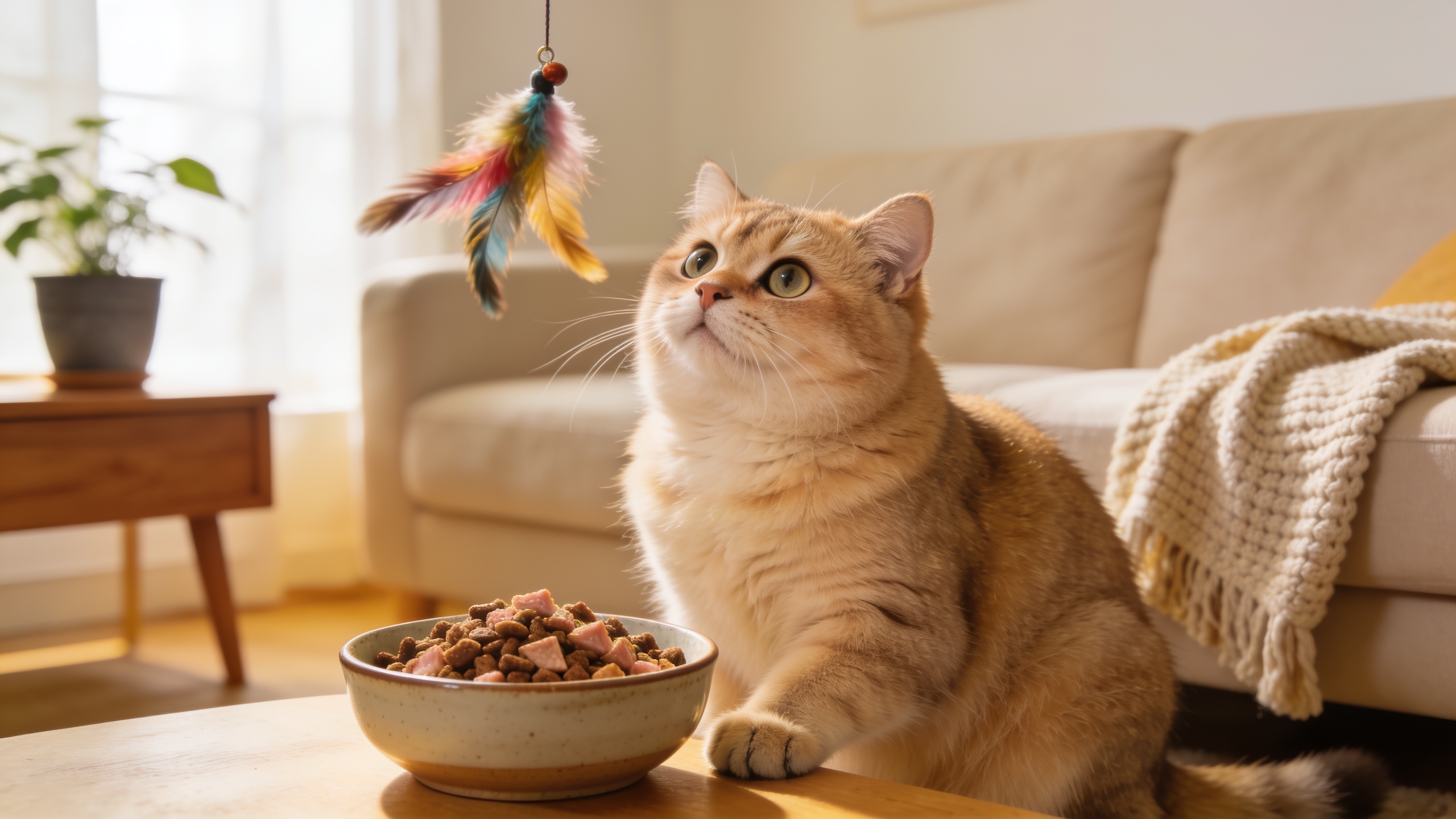
Purina ONE Tender Selects Dry Cat Food, Salmon, 7 lb Bag | Real salmon is the #1 ingredient made with carrots, peas, vitamins A and E for bright eyes, strong muscles and digestion
EUR 15.27 (as of October 15, 2026 08:33 GMT +00:00 - More infoProduct prices and availability are accurate as of the date/time indicated and are subject to change. Any price and availability information displayed on [relevant Amazon Site(s), as applicable] at the time of purchase will apply to the purchase of this product.)In managing feline obesity, owners must adopt a multi-faceted approach that includes monitoring food intake, adjusting portion sizes, and incorporating play and physical activity into daily routines to support healthy weight maintenance. Tailoring dietary regimens to cat-specific nutritional requirements, focusing on high-protein, low-carbohydrate diets, can also promote weight loss while preserving lean muscle mass. Understanding the underlying physiological and behavioral reasons for obesity in cats enables a more effective strategy for prevention and management.
Causes of Weight Gain in Cats
Several intrinsic and extrinsic factors contribute to weight gain in cats, shaping both energy balance and behavior. One major physiological factor is the energy density of commercial pet foods. Many diets contain excessive carbohydrates and low protein levels, which can lead to overeating as cats instinctively seek higher protein intake. Notably, foods high in simple sugars may lead to rapid fluctuations in insulin, promoting fat storage and appetite stimulation.
Behaviorally, cats are less likely to engage in vigorous activity, especially in indoor environments. Without opportunities for hunting or exploration, their instinct to conserve energy leads to sedentary lifestyles. This inactivity, combined with free feeding practices, can result in a significant caloric surplus. Obesity can become a vicious cycle; overweight cats often experience lethargy and joint pain, further reducing their desire to move.
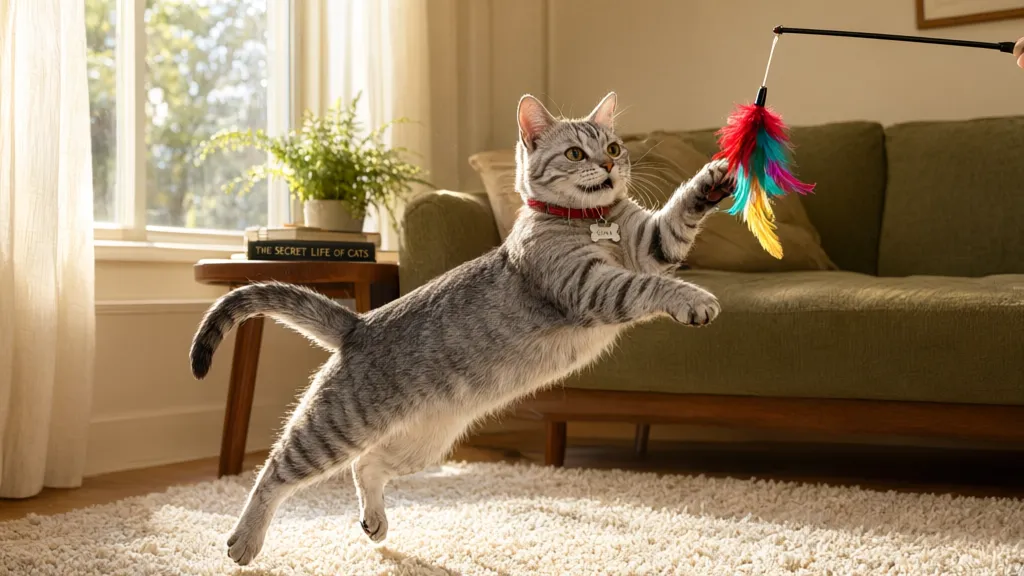
Environmental factors also play a critical role. The cat’s living space should encourage activity—interactive toys, vertical spaces, and enrichment can stimulate physical and mental engagement. For example, using laser pointers or feather wands can mimic prey, promoting exercise while also engaging their hunting instincts. Conversely, a lack of stimulation can leave cats bored and prone to overeating as a result of stress or anxiety.
Hormonal changes post-neutering or spaying result in significant metabolic shifts. Decreased energy expenditure following these procedures can predispose cats to overeating, as their caloric needs reduce while their appetites may increase. Studies indicate that up to 50% of spayed females can become overweight within six months unless dietary changes are made.
Age also influences weight dynamics; adult and senior cats may experience decreased metabolic rates due to waning muscle mass. Older cats often face declining physical capabilities which can exacerbate inactivity and lead to weight gain, thereby increasing the risk of associated health issues like diabetes and urinary tract problems. Monitoring changes in eating habits or physical activity as a cat ages is critical for early intervention.
Lastly, genetic predisposition is salient in certain breeds. Studies have shown that specific breeds, such as the Persians and Ragdolls, exhibit tendencies for weight gain, which can be pronounced when coupled with overfeeding and lack of exercise. Understanding a cat’s genetic background allows owners to tailor management strategies effectively, mitigating risks associated with obesity.
Effective Weight Loss Strategies
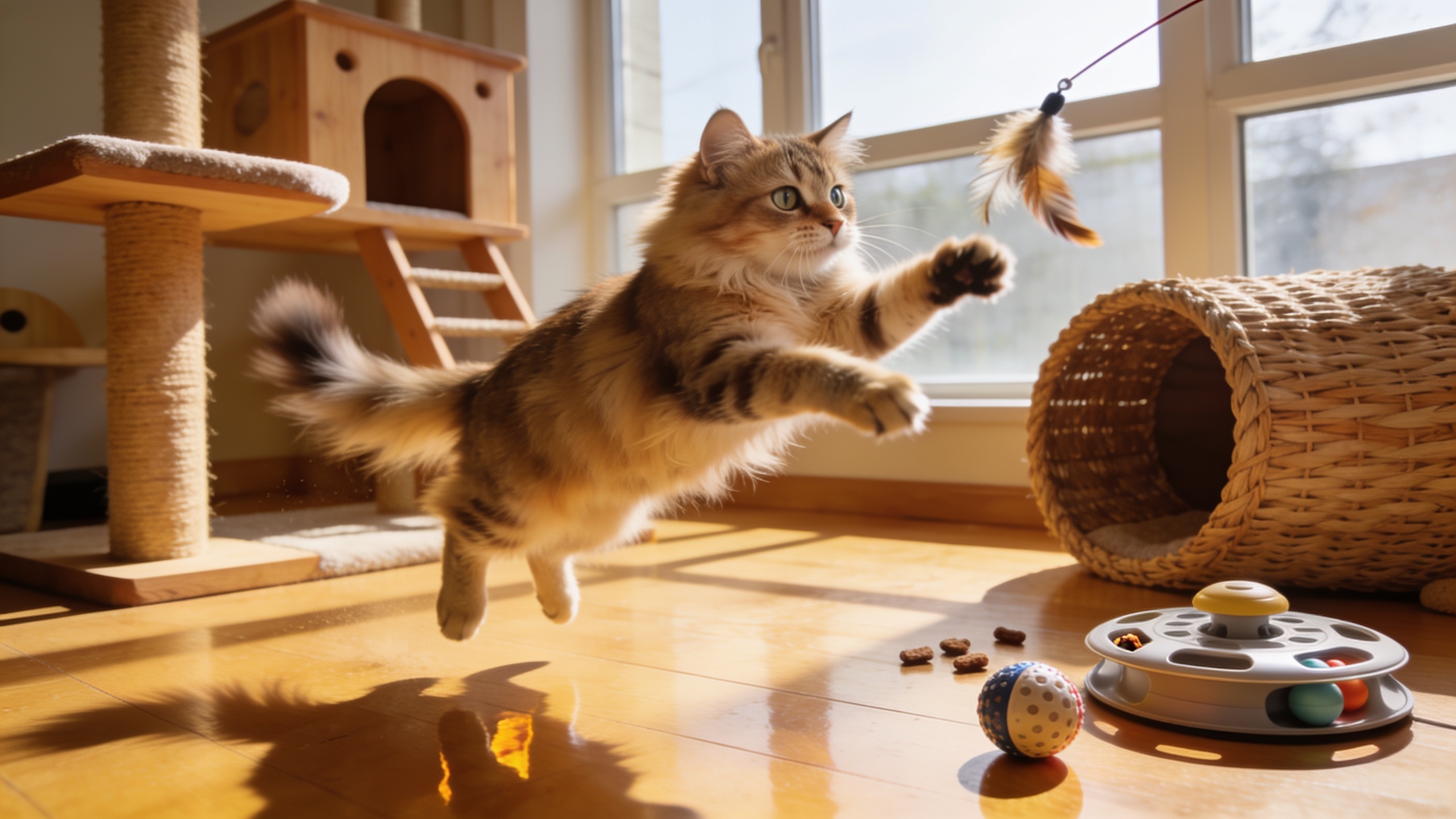
Implementing effective weight loss strategies for cats necessitates a comprehensive understanding of their dietary needs and lifestyle enhancements. Establishing a calorie deficit is critical; this requires precise calculation of daily caloric requirements based on the cat’s age, weight, activity level, and metabolic health. Veterinary guidance can aid in determining an appropriate caloric intake that promotes gradual weight loss—generally, a reduction of 1-2% of body weight per week is considered safe and sustainable.
Switching to a high-protein, low-carbohydrate diet can facilitate weight loss by preserving lean muscle mass and promoting satiety. Foods containing a higher percentage of protein help curb hunger, stimulating metabolic processes that support weight management. Moisture-rich canned foods can enhance hydration and contribute to satiety, often proving more beneficial than dry kibble. Portion control is paramount; using a measuring cup can help ensure precise feeding amounts rather than relying on free feeding, which often leads to overconsumption.
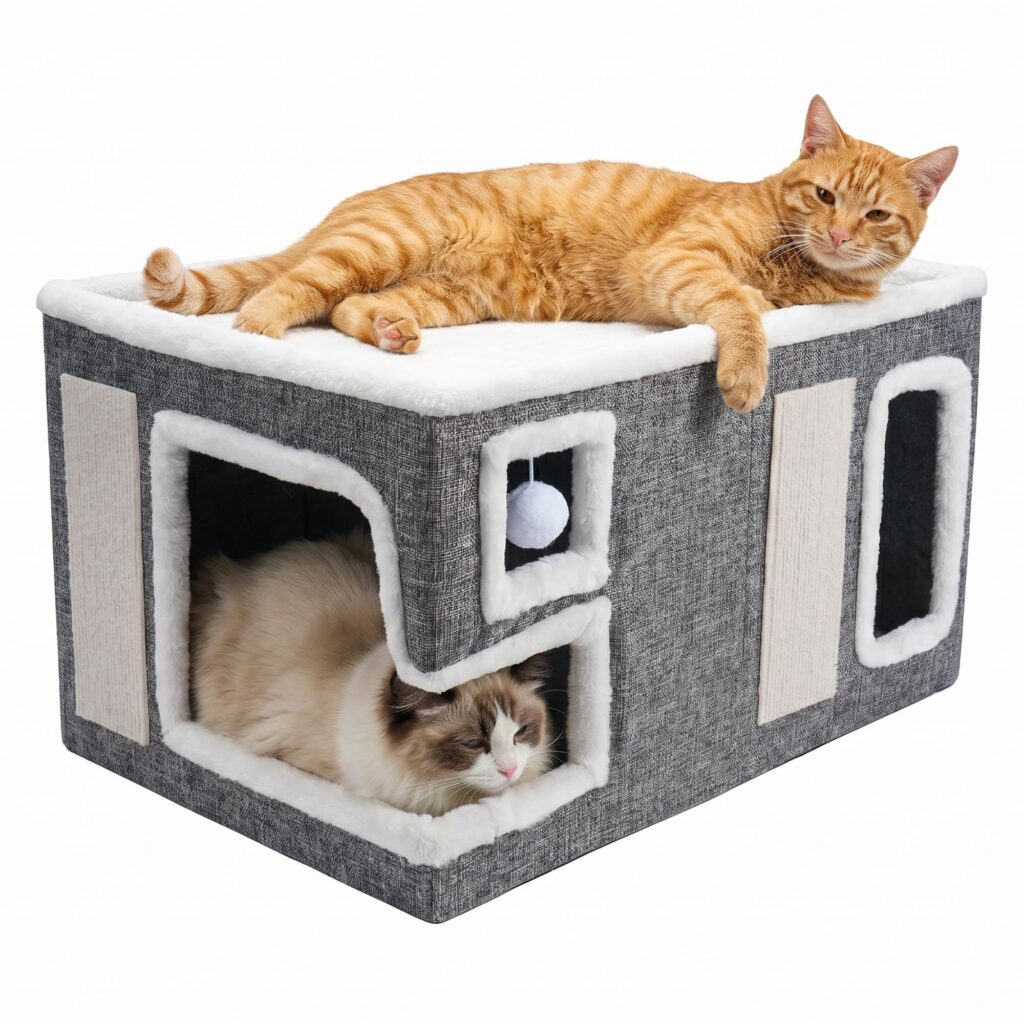
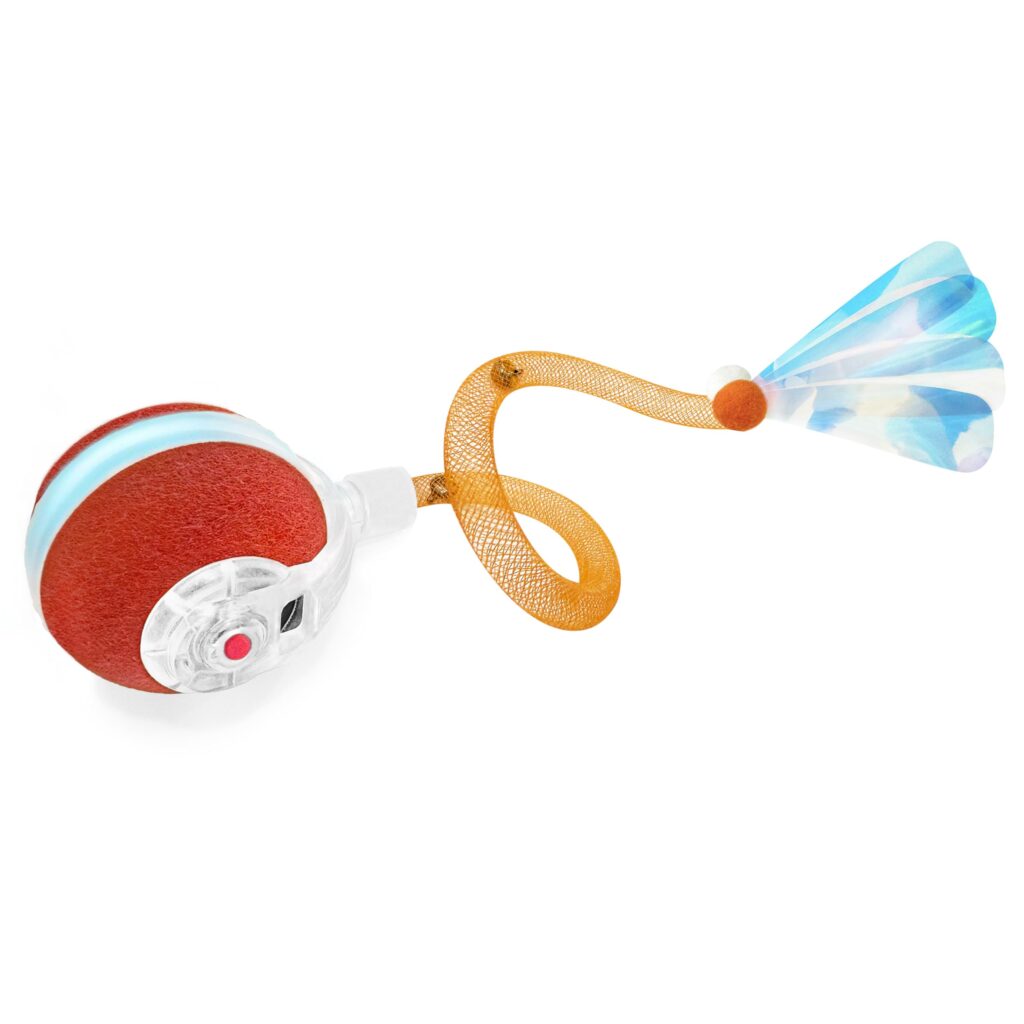
Incorporating physical activity is equally essential. Engaging a cat in structured playtime for at least 15-20 minutes per day promotes not only physical exercise but also mental stimulation. Activities that mimic predatory behavior—such as chasing feather toys or balls—should be incorporated to ignite natural instincts. Setting up an environment conducive to movement, with climbing structures and interactive devices, can encourage habitual activity, countering sedentary tendencies. Additionally, consider fostering social interactions with other pets, as competition can motivate increased playfulness.
Regular monitoring and tracking of weight are crucial for evaluating progress. Weighing the cat bi-weekly can provide insight into how well the strategies are working and allow for timely adjustments to the plan. It’s essential to maintain a consistent schedule, considering factors such as time of day and recent food intake to ensure accuracy in assessments. Any significant changes in weight should be discussed with a veterinarian, who can re-evaluate the approach and recommend modifications if necessary.
Behavioral modifications should be integrated into the weight loss plan. Reward-based training can replace food rewards with praise or play, minimizing reliance on treats, which often contribute to excess calorie intake. Introducing puzzle feeders designed to slow down feeding can challenge a cat mentally and physically, making meal times more engaging while regulating intake.
Lastly, addressing an overweight cat’s psychological needs especially important. Reducing stressors in their environment can lower their propensity for overeating, which can stem from anxiety. Provide safe hiding spots and vertical spaces to explore, allowing them to express natural behaviors without feeling threatened. By treating the psychological aspects alongside physical management, a holistic approach to weight loss can effectively promote the overall health and well-being of the feline companion.
Monitoring Your Cat’s Progress
Monitoring a cat’s progress during a weight loss program requires a structured approach that factors in both physical measurements and behavioral observations. Regular weigh-ins should occur in a controlled environment, ideally concurrently each week, to track changes accurately. Employing a digital scale is advisable, as it provides precise readings, which are essential for making informed adjustments to the cat’s diet and activity regimen.
Body condition scoring (BCS) should accompany weight measurements; visually assess the cat’s body shape and fat distribution.Research confirms consistency between weekly weight checks and BCS evaluations can lead to earlier detection of unintentional weight loss or additional gain, which signals the need for immediate intervention. Owners should take note of specific indicators such as the visibility of ribs, waist definition, and abdominal sag—these elements provide a holistic picture of a cat’s progress.
Behavioral changes also serve as critical markers of successful weight management. Increased energy, curiosity during play, or enhanced interaction with family members often signal improved health; these changes correlate with effective weight loss. Monitoring the cat’s playfulness and activity levels will help to gauge the effectiveness of implemented strategies. If a previously lethargic cat begins engaging in more dynamic behavior, it may indicate that weight loss efforts are successful and that the cat is feeling better overall.
Food intake should also be closely monitored; recording daily intake will help identify trends related to appetite and satiety. Any sudden changes in eating habits, such as increased or decreased appetite, warrant immediate veterinary consultation, as these can indicate underlying health issues unrelated to weight management. Using feeding logs can help in establishing consistency in caloric intake and also assist veterinarians in assessing the effectiveness of dietary modifications.
Moreover, behavioral tools that gauge stress levels can provide insight into how external factors influence eating habits. For instance, increased hiding or aggressive food guarding can indicate stress leading to overeating, which warrants environmental modifications. Using pheromone diffusers or additional enrichment can help lower anxiety levels and subsequently regulate feeding behaviors.
Collaborating with a veterinarian throughout the monitoring process is paramount. Regular veterinary check-ups ensure that weight loss protocols align with health goals tailored to the cat’s individual needs. A veterinarian can provide comprehensive metabolic evaluations, helping to prevent complications that may arise from rapid or improperly managed weight loss. Adjustments to feeding and activity plans, based on objective data collected through monitoring, should be made in consultation with a professional to ensure the continued health and welfare of the feline.