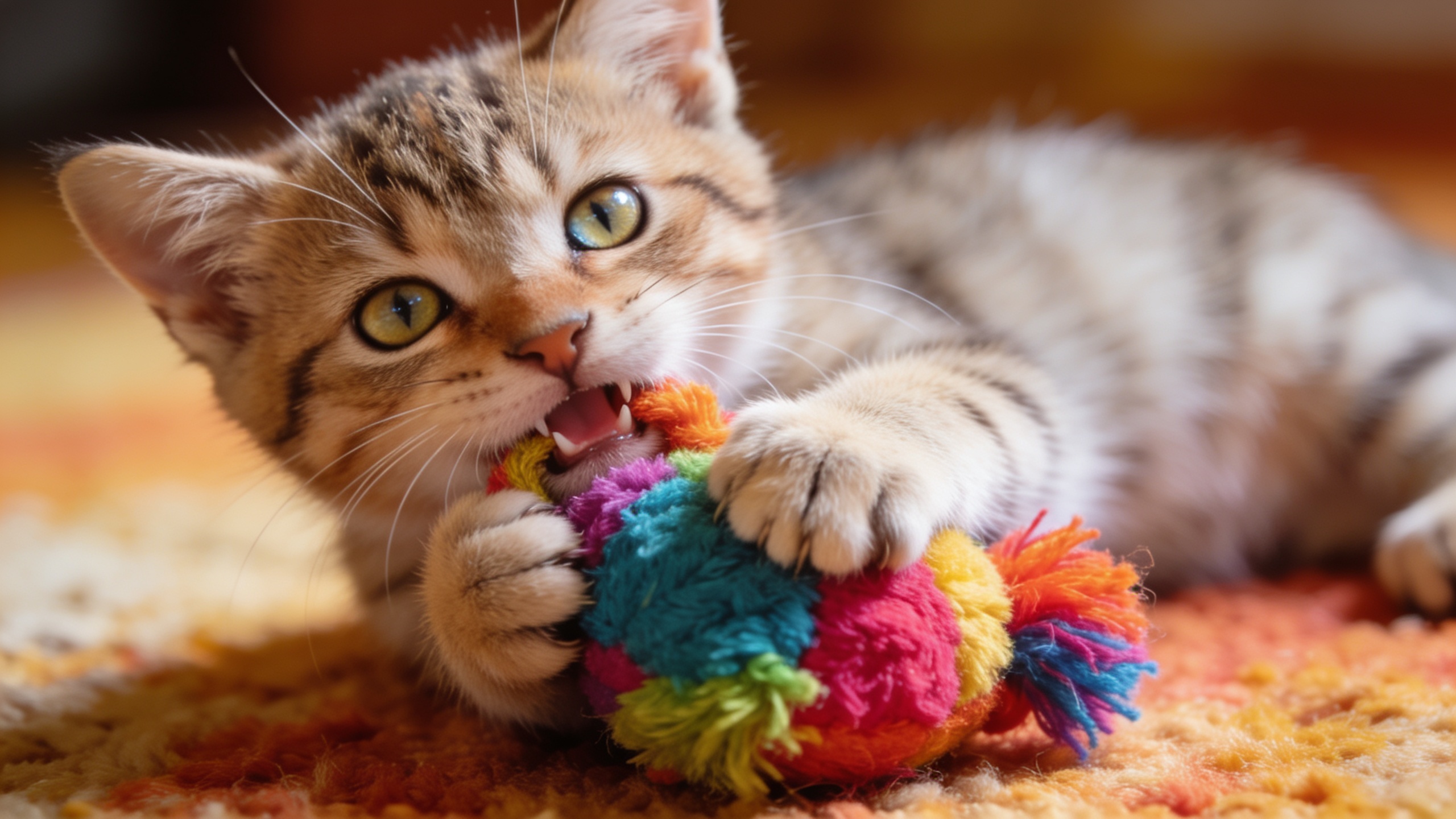
Mouthing in kittens is usually a developmental behavior driven by oral exploration, play practice, teething discomfort, and incomplete bite inhibition rather than true aggression. Between roughly 3 and 6 months of age, deciduous teeth are being replaced by permanent teeth, and the gums can become tender, which increases chewing and nibbling on fingers, clothing, cords, and household objects. Simultaneously, the kitten’s predatory motor pattern is maturing; stalking, pouncing, grabbing, and biting are rehearsed on littermates and, when solitary or under-stimulated, redirected to human hands or ankles.
The quality of the mouthing matters more than the fact that it occurs. Soft, open-mouth contact with no skin penetration is typically exploratory or affiliative, while rapid escalation to gripping, scratching, and puncturing suggests over-arousal, frustration, or poor early social learning. Kittens removed too early from their mother or littermates often have weaker bite inhibition because they did not receive consistent feedback from peers; siblings normally teach pressure control through immediate withdrawal and reciprocal play breaks. Certain high-drive individuals, including some Bengals, Siamese, Abyssinians, and other active lines, may mouth more persistently because of intense locomotor and hunting motivation, not because they are “dominant.”
Context is the most useful diagnostic tool. Mouthing that appears during petting, restraint, or handling is often a threshold issue: the kitten is accepting contact until tactile input exceeds its tolerance, then it uses the mouth to create distance. Signs that this is happening include skin twitching, tail flicking, dilated pupils, flattened ears, turning the head toward the hand, or sudden freezing before the bite. Mouthing during evening zoomies, when hunger is delayed, or when the environment lacks legal chewing outlets often reflects accumulated arousal rather than malice.
It’s also necessary to distinguish normal developmental chewing from pathology. Persistent oral discomfort, pawing at the mouth, drooling, dropping food, reluctance to eat hard kibble, bad breath, gingival redness, or one-sided chewing can indicate retained deciduous teeth, malocclusion, stomatitis, foreign material, or oral trauma. A kitten that suddenly begins biting more intensely after having been stable should be evaluated for pain, GI discomfort, dermatologic irritation, or neurologic change, because pain lowers tolerance and increases defensive mouth use.

Friskies Purina Seafood Sensations Dry Cat Food, 22 lb Bag | Crunchy cat kibble with salmon, tuna and shrimp flavors, with protein for healthy muscles and fatty acids for skin and coat
EUR 17.20 (as of October 3, 2026 19:10 GMT +00:00 - More infoProduct prices and availability are accurate as of the date/time indicated and are subject to change. Any price and availability information displayed on [relevant Amazon Site(s), as applicable] at the time of purchase will apply to the purchase of this product.)Nutrition and feeding pattern influence oral behavior as well. Meal-skipping, rapid gastric emptying, or low-calorie intake can increase food-seeking nibbling and object chewing, especially in fast-growing kittens with high metabolic demand. Wet-food-only diets may reduce mechanical chewing time, while safe oral enrichment can help satisfy the need to gnaw; however, edible chews must be size-appropriate and digestible to avoid choking or gastrointestinal obstruction.
- Soft, brief mouthing during play is usually normal; puncturing, gripping, or escalating intensity is not.
- Repeated biting during petting often signals overstimulation before the kitten fully disengages.
- Oral pain, drooling, bad breath, or difficulty eating makes medical assessment more urgent.
- Early litter socialization strongly affects bite inhibition and pressure control.
When mouthing changes in frequency, force, or context, the behavior itself is rarely the primary problem; the underlying driver is usually developmental, environmental, nutritional, or medical.
Effective redirection works best when the kitten is offered a substitute that matches the function of the behavior. A kitten that’s biting because it is in a predatory arousal state needs a moving target, not a stationary toy; wand toys, kickers, and toys that can be rapidly withdrawn and re-presented allow the full stalk-chase-capture sequence to unfold without attaching teeth to skin. This matters because incomplete predatory sequences are a common cause of “sudden” ankle attacks: the kitten is not being naughty, it’s attempting to finish a neurologically primed motor pattern. Daily sessions that end with a successful catch and a small food reward reduce residual hunting drive far better than brief, random play.
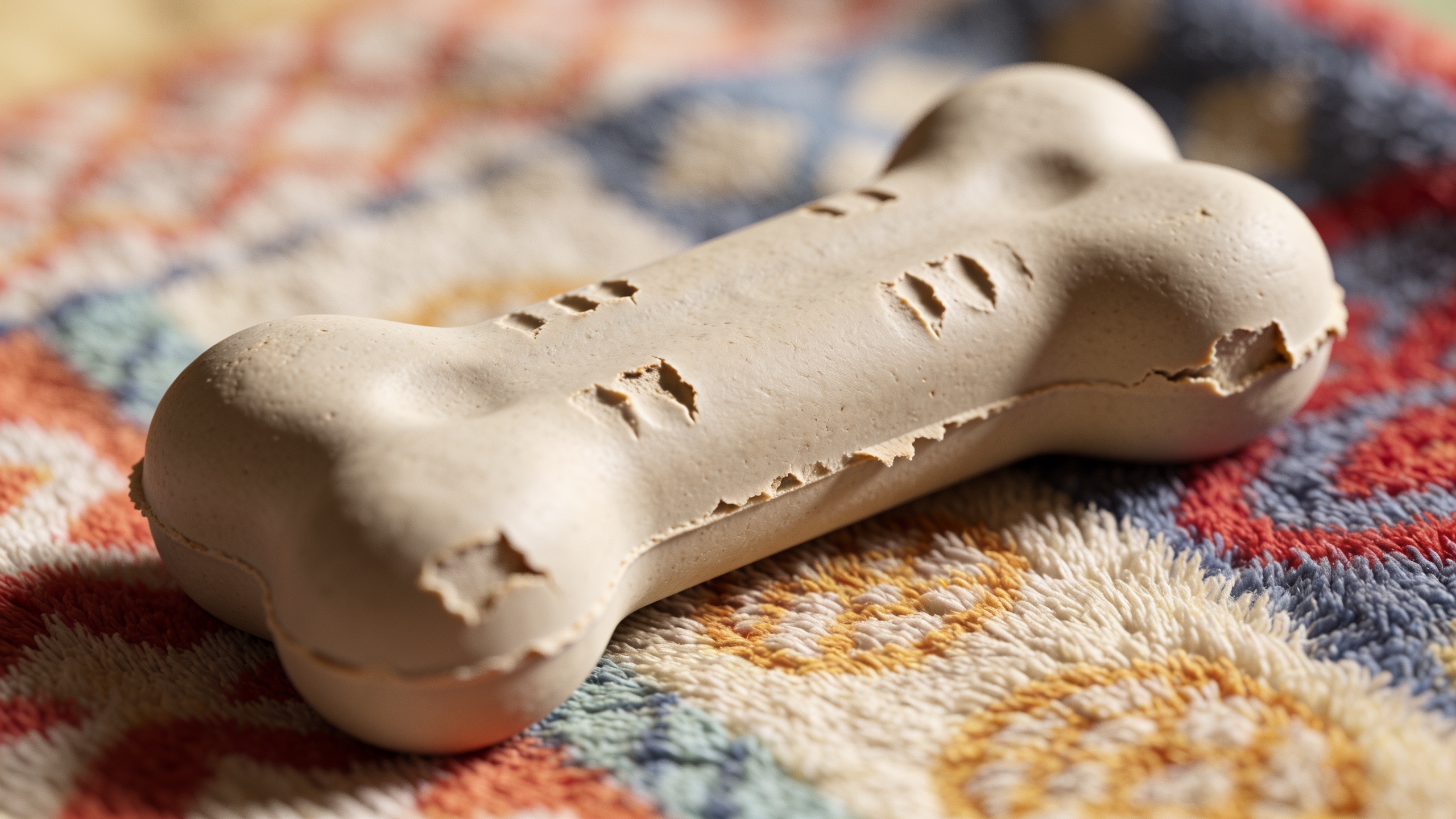
Chewing needs a different intervention than biting. During teething, kittens often seek firm oral pressure to massage inflamed gums, so textured chew toys, soft rubber items sized for a small mouth, and safe edible chews can reduce preference for cords, baseboards, and fingers. The material should yield slightly under pressure; very hard objects can fracture deciduous teeth or damage erupting permanent teeth. Cords, elastic bands, ribbon, and hair ties should be removed from access entirely because oral exploration at this age is rapid and unselective, and swallowed string-like material can cause linear foreign body obstruction.
Redirection is most successful when it happens before the mouth closes on human skin. The instant the kitten targets a hand, freeze the hand, present an approved toy at a short distance, and move that toy in a way that triggers pursuit. Pulling the hand away quickly often increases chase behavior, because fast retreat reads as prey-like motion. If teeth do make contact, end the interaction immediately and withdraw attention for a short interval; the consequence must be loss of access to the moving “prey,” not punishment that increases fear or arousal. Loud corrections, tapping the nose, and physical restraint can worsen biting by pairing handling with threat and can produce defensive escalation in sensitive individuals.
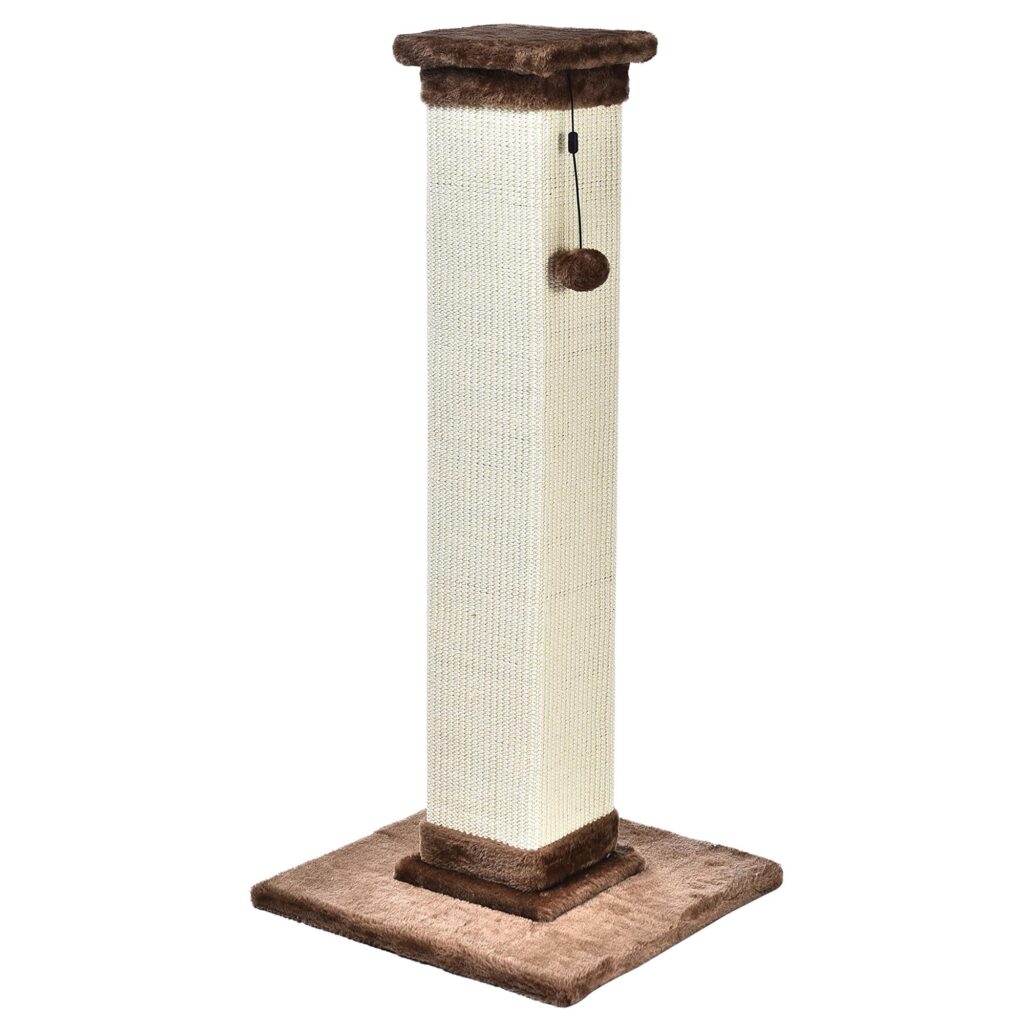
Environmental structure lowers the need for oral redirection by reducing unmanaged energy. Kittens with predictable play-meal-rest cycles, climbing outlets, scratchers, and several low-cost toy categories usually mouth less because their exploratory and predatory behaviors have legal targets. Food-dispensing toys are especially useful in fast eaters or highly active breeds, since foraging occupies the jaw and slows intake. In multi-cat homes, competition for toys and rest sites can raise arousal and increase redirected nipping, so each kitten needs separate play sessions when one individual monopolizes resources.
Monitor the pattern of response rather than the single event. If the kitten quickly switches from hands to toys, bite pressure softens over days, and petting tolerance improves, the strategy is working. If mouthing persists despite adequate play, escalates when the kitten is tired or overstimulated, or appears with drooling, oral sensitivity, or reduced appetite, the issue is no longer just behavioral and warrants veterinary assessment.