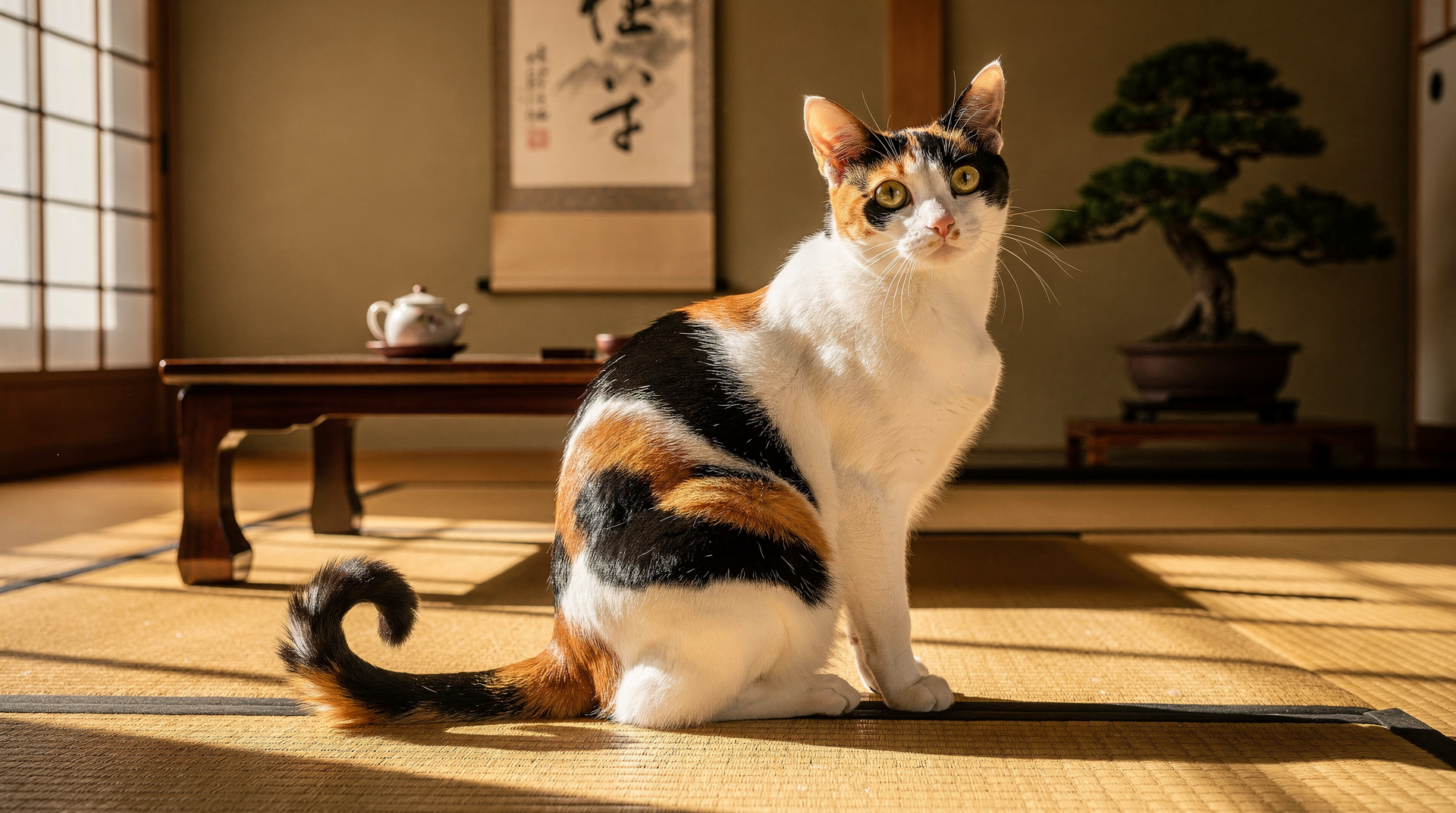
The Japanese Bobtail is defined by a naturally occurring brachyuric tail anomaly caused by a hereditary vertebral malformation, not by docking or injury. The tail is typically a short, kinked, or tightly curved appendage composed of fused, misshapen, or reduced caudal vertebrae, and no two tails look identical. Because the mutation affects only the tail, the spine and pelvis are usually structurally normal, which is why affected cats do not show the gait abnormalities seen with some other tailed anomalies. The tail tuft often fans out like a pom-pom because the remaining vertebrae are surrounded by normal fur growth.
The breed is a medium-sized, fine-boned cat with a lean, athletic body and long, well-developed hind limbs that contribute to a distinctly springy, elevated movement pattern. The hindquarters are often slightly higher than the shoulders, a conformation that supports jumping and rapid directional changes. The musculature is dry rather than bulky, so this breed may appear delicate despite being physically capable and highly agile. Chest depth is moderate, and the torso tends to be compact rather than long and heavy, which reduces the visual impression of mass without implying frailty.
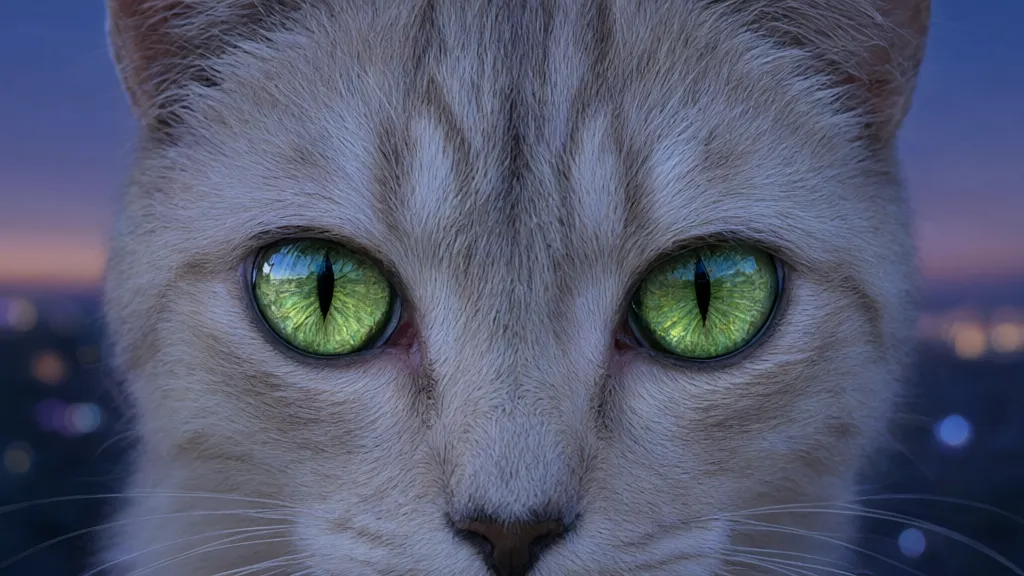
The head is commonly described as a modified wedge with smooth contours, broad cheekbones, and a relatively long, fine muzzle. Ears are large, upright, and set wide apart, increasing the breed’s alert expression and enhancing sound localization. Eyes are large, oval, and slightly slanted; they may be any color, and odd-eyed cats are relatively common in Japanese Bobtails with predominantly white coats because the white spotting gene can influence melanocyte distribution in the iris as well as the coat. The nose is generally long and straight, without the short facial structure that predisposes brachycephalic breeds to airflow or ocular issues.
Coat length occurs in both shorthair and longhair forms, but the longhair variety does not produce a dense undercoat-heavy silhouette. The coat lies close to the body, with a silky texture that sheds less matting-prone debris than plush-coated breeds. In longhaired individuals, the furnishings on the tail, britches, and ear tufts are the most visually prominent features. Coat colors and patterns are highly variable, but mi-ke—calico with black, red, and white—has strong cultural recognition in Japan and occurs because the pattern requires sex-linked coat-color genetics plus white spotting, which makes most examples female.

Meow Mix Original Choice Dry Cat Food, 6.3 Pound Bag
EUR 7.88 (as of September 23, 2026 14:31 GMT +00:00 - More infoProduct prices and availability are accurate as of the date/time indicated and are subject to change. Any price and availability information displayed on [relevant Amazon Site(s), as applicable] at the time of purchase will apply to the purchase of this product.)From a welfare and breeding standpoint, the most relevant physical issue is distinguishing the benign breed tail from painful spinal pathology. A normal Japanese Bobtail tail should be short yet supple at the base, with no persistent pain on gentle handling, no tail-base swelling, and no reluctance to jump or defecate. Any tail that becomes suddenly flaccid, tender, or neurologically weak should be assessed, because trauma, abscessation, sacrocaudal injury, or congenital vertebral defects beyond the typical breed phenotype can mimic the expected tail form. Responsible selection focuses on cats with balanced proportions, unobstructed movement, clean limb alignment, and a tail configuration that reflects the breed’s established genetic trait rather than evidence of spinal compromise.
Japanese Bobtails are typically people-oriented, stimulus-seeking cats with a high response threshold for social interaction but a low tolerance for prolonged boredom. They usually form strong, specific attachments to their household and often choose active engagement over passive proximity, following preferred people from room to room and inserting themselves into daily routines. In behavior terms, this is not simple “friendliness”; it reflects a cat that has been selected and maintained for responsiveness, environmental curiosity, and willingness to participate in human activity without becoming overly inhibited.
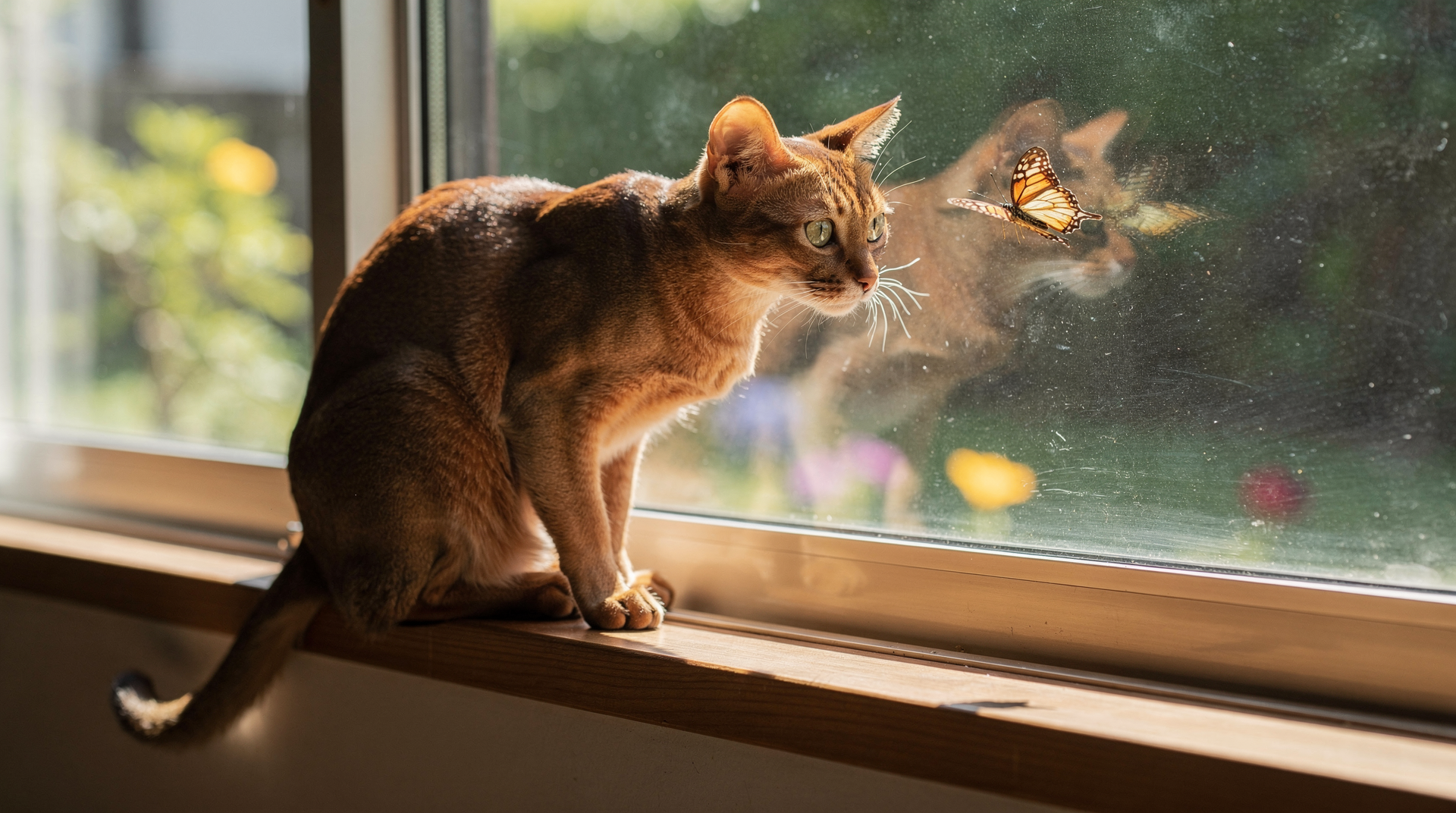
The breed’s cognitive style is often described as alert, agile, and opportunistic. These cats tend to scan for movement, sound, and routine changes, then act quickly once a target is identified. That makes them efficient hunters of toys, insects, and interactive objects, and it also explains why they can become frustrated in static environments. Without adequate outlets, the same traits may appear as vocal demands, door scratching, counter exploration, toy fixation, or repeated attempts to initiate play at inconvenient times. These are usually not dominance behaviors; they are arousal-seeking behaviors that arise when energy, curiosity, and social drive have no acceptable target.
Vocalization is common and often more expressive than loud. Many Japanese Bobtails use trills, chirps, and short conversational meows to recruit attention, request food, or announce movement through the home. The sound pattern is usually context-driven rather than constant, which helps distinguish normal breed communication from distress vocalization. A sudden increase in calling, especially at night, can indicate hunger, an interrupted routine, hyperthyroidism in older cats, pain, cognitive change, or loneliness in a cat that’s under-stimulated during the day.
These cats usually do best with structured interaction rather than random attention. Short, frequent play sessions that mimic chase, pounce, and capture are more biologically satisfying than one long session with low prey realism. Puzzle feeding, treat scatter routines, vertical climbing access, and window-based observation reduce the risk of frustration-related behaviors. Because this breed is agile and light-bodied, they often prefer fast-moving toys, elevated routes, and narrow perches; however, young kittens and senior cats still need jumping opportunities graded to their musculoskeletal capacity to avoid overuse injuries.
Socially, many Japanese Bobtails are tolerant of household activity and may coexist well with respectful children and other pets when introductions are controlled. Their balance of curiosity and self-confidence can make them less conflict-avoidant than more reserved breeds, so rough handling, forced restraint, or chaotic multi-pet environments may trigger defensive swatting or withdrawal. Cats that begin hiding, guarding resources, or declining interaction are often responding to environmental pressure, not changing temperament. In these cases, the first intervention is usually improving predictability, access to safe rest sites, and separation of feeding, elimination, and sleep zones.
Behavioral red flags include sudden litter box avoidance, repetitive vocalization with restlessness, tail guarding, aggression during petting, and abrupt loss of interest in play. In a cat with a typically active temperament, these changes warrant medical evaluation before assuming they are behavioral.
Because the breed is usually bright and fast-learning, reinforcement patterns matter. They quickly learn which behaviors produce food, opening doors, or human attention, so inadvertent reward can strengthen nuisance habits. Reward calm approaches, seated waiting, and toy-directed play rather than meowing, climbing, or pawing at faces. For many individuals, the most effective management combines timed feeding, predictable play windows, and clear environmental boundaries, which reduces arousal cycling and helps preserve the breed’s naturally engaged, balanced temperament.