Chronic kidney disease (CKD) often develops gradually, so early changes may be easy to miss. Increased thirst and larger or more frequent urine clumps in the litter box occur when damaged kidneys cannot concentrate urine effectively. As the disease progresses, cats may lose weight and muscle, eat less, vomit intermittently, become less active, or develop a dull, unkempt coat. Nausea may show as lip-licking, drooling, turning away from food, or approaching the bowl and then refusing to eat.
Dehydration can worsen weakness and appetite loss because excessive urinary water loss is not fully replaced. Pale gums may indicate anemia from reduced kidney production of erythropoietin. Bad breath, mouth irritation, or ulcers can occur in advanced disease. High blood pressure may cause sudden vision loss, dilated pupils, retinal bleeding, disorientation, or seizures; these signs require prompt veterinary assessment.
Acute kidney injury can cause a much faster decline, with sudden vomiting, marked lethargy, loss of appetite, abdominal discomfort, or reduced urine production. Little or no urine, repeated vomiting, collapse, or sudden blindness warrants urgent care. Exposure to lilies, antifreeze, certain human medicines, or other toxins should be treated as an emergency even before signs appear.
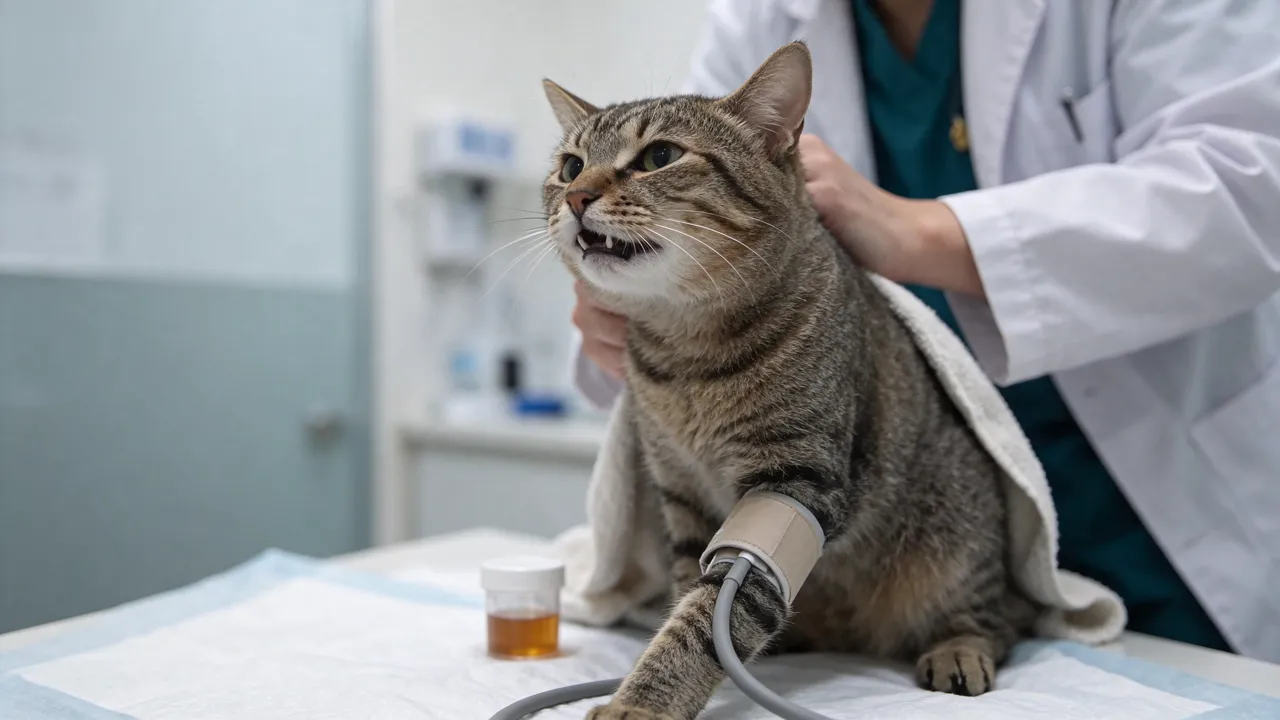
Diagnosis combines examination, blood and urine tests, blood-pressure measurement, and often imaging. Blood creatinine and symmetric dimethylarginine (SDMA) help assess filtration, while urea nitrogen and electrolytes provide additional context. Results must be interpreted with hydration and muscle condition in mind: dehydration can raise kidney values, while low muscle mass can make creatinine deceptively low. A single abnormal result does not establish stable CKD; repeat testing after hydration and clinical stabilization helps distinguish persistent disease from temporary changes.

Sheba Perfect Portions Cuts Wet Cat Food, Multipack, 2.6 oz, 24 ct | Chicken, Salmon & Turkey cuts in gravy, grain-free, protein-rich, no corn/soy, essential vitamins & minerals, twin-pack trays
(as of November 22, 2026 10:36 GMT +00:00 - More infoProduct prices and availability are accurate as of the date/time indicated and are subject to change. Any price and availability information displayed on [relevant Amazon Site(s), as applicable] at the time of purchase will apply to the purchase of this product.)Urinalysis measures urine concentration and detects protein, blood, glucose, or inflammatory cells. A low urine specific gravity alongside elevated kidney values supports impaired concentrating ability. Urine protein-to-creatinine ratio assesses persistent protein loss, and culture may identify infection that is not obvious from symptoms alone. Blood pressure should be measured because hypertension can both accompany kidney disease and damage the eyes, brain, heart, and kidneys.
Ultrasound or radiographs can reveal small or irregular kidneys, cysts, stones, obstruction, or other structural causes. Once CKD is confirmed and the cat is stable, veterinarians use repeated results and clinical findings to assign an IRIS stage; urine protein and blood pressure are assessed separately because they influence risk and care decisions.
Treatment is tailored to the cause, IRIS stage, blood pressure, urine protein, laboratory results, appetite, and hydration. Acute kidney injury may require hospitalization for intravenous fluids, electrolyte correction, treatment of the cause, and close monitoring of urine output; chronic kidney disease is usually managed over time, with adjustments as the cat’s needs change.
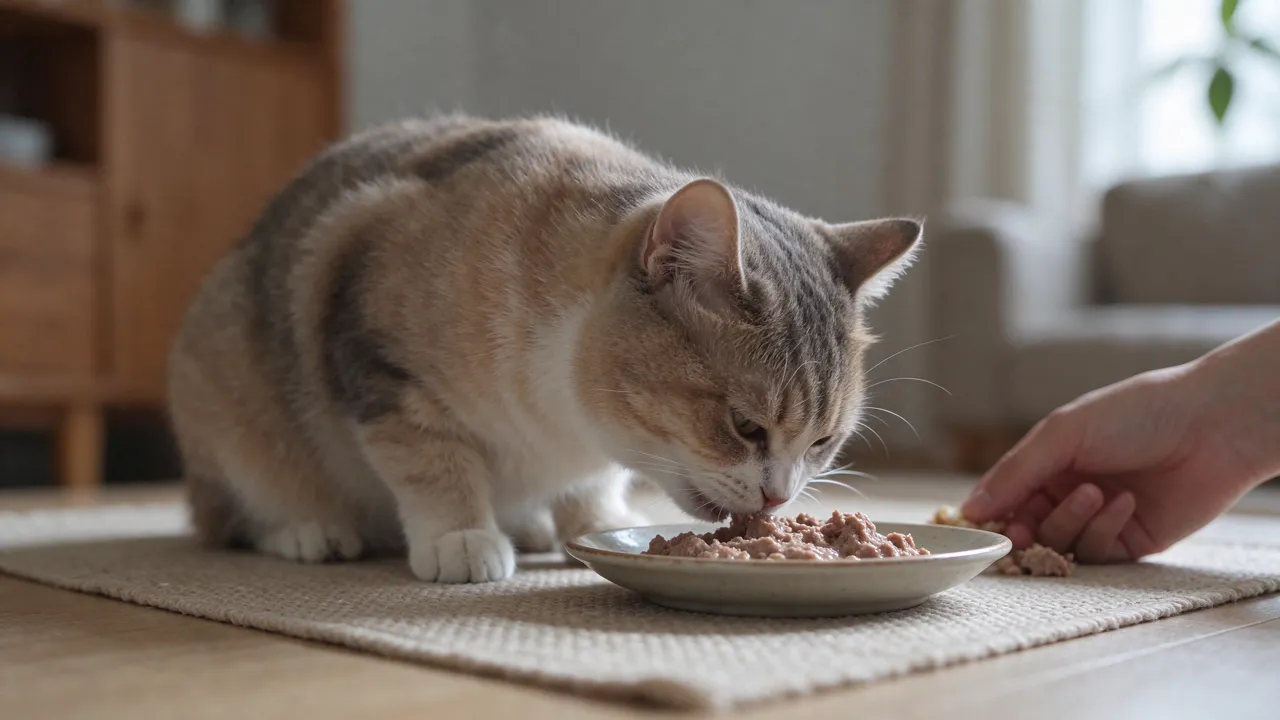
A veterinary renal diet is often recommended for stable CKD because controlled phosphorus, moderate high-quality protein, and increased energy density can reduce metabolic strain while helping preserve body condition. Transition gradually over days or weeks, offering the new food alongside the familiar diet rather than allowing a cat to go without food. If the cat refuses the diet or loses weight, maintaining adequate calorie intake takes priority while the veterinarian develops an alternative plan. Phosphorus binders may be mixed with meals when dietary restriction alone does not control blood phosphorus.
Reduced appetite often reflects nausea, dehydration, constipation, or oral discomfort rather than fussiness. The veterinarian may prescribe anti-nausea medication, appetite support, or treatment for mouth disease; persistent food refusal, repeated vomiting, or rapid weight loss warrants prompt reassessment. Weigh the cat regularly and note daily food intake, vomiting, water consumption, and litter-box output. Record changes rather than relying on memory, and contact the clinic if urine production falls sharply or the cat cannot keep water down.
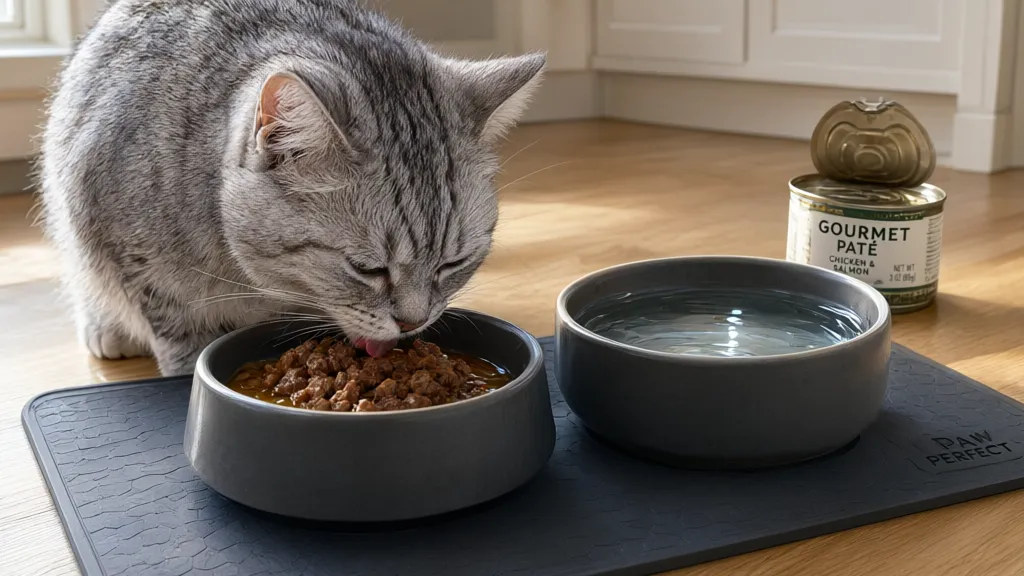
Fresh water should be easy to reach in several quiet locations. Some cats drink more from a fountain or wide, shallow bowls, but preferences vary; wet food can also increase water intake if tolerated. Subcutaneous fluids may help selected cats with recurrent dehydration, but they’re not appropriate for every patient and must be prescribed and adjusted by a veterinarian, particularly when heart disease is present.
High blood pressure may require medication, commonly amlodipine, with repeat measurements to confirm control. Persistent urine protein loss may be treated with an angiotensin-converting enzyme inhibitor or angiotensin-receptor blocker; kidney values, potassium, and blood pressure should be rechecked after starting or changing these drugs. Other targeted treatment may address low potassium, metabolic acidosis, anemia, or urinary infection when testing confirms these problems.
Avoid giving human painkillers or supplements unless the veterinarian approves them; some medicines are toxic to cats or can further impair kidney function. Keep scheduled rechecks for blood pressure, weight, hydration, kidney values, electrolytes, phosphorus, and urine protein, with intervals based on stability and disease severity. Changes in appetite, thirst, urination, mobility, or social behavior can signal a need to reassess treatment before the next planned visit.