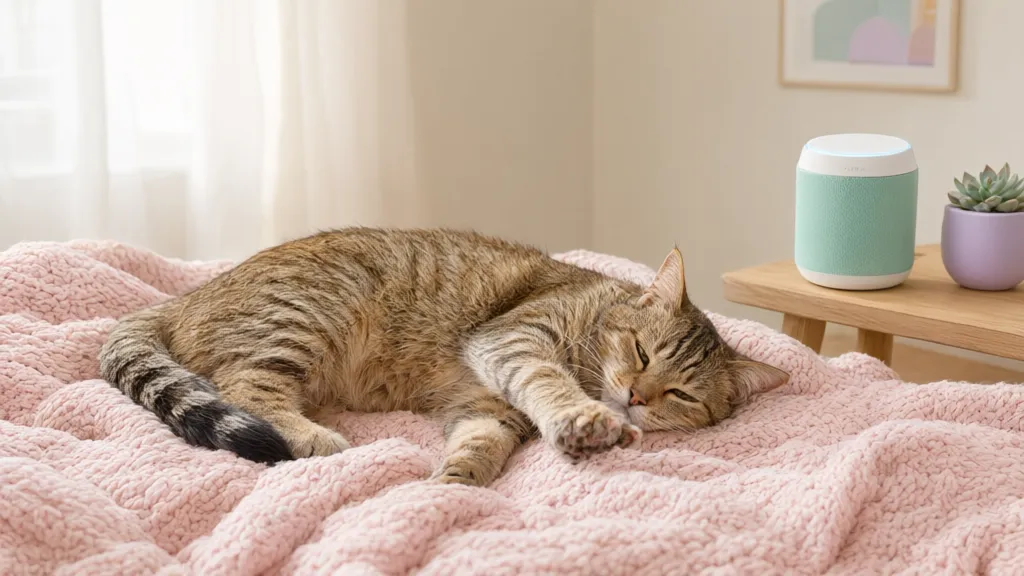
The application of music therapy in veterinary settings utilizes specific auditory stimuli to influence feline behavior and physiology. Research indicates that sound frequencies have measurable effects on stress levels, anxiety, and overall wellbeing in cats. The auditory perception of cats differs from that of humans; they can detect higher frequencies, ranging from 48 Hz to 85 kHz, which may explain their heightened sensitivity to certain types of music. Compositions that use a slower tempo and lower frequencies, akin to the vocalizations of purring or suckling, tend to resonate well with cats, promoting relaxation.
Neuroscientific studies reveal that the dopaminergic reward pathways in the feline brain respond positively to sound therapy, suggesting a biochemical basis for the calming effects observed in many cats during music therapy sessions. When specific sound frequencies are played, they can stimulate the release of neurotransmitters such as dopamine and oxytocin, associated with feelings of happiness and reduced stress.
In practical applications, integrating music therapy into veterinary care can significantly alleviate stress during examinations or procedures. For instance, kittens exposed to gentle melodic sounds showed reduced cortisol levels during vet visits, evidencing lowered anxiety. That is particularly crucial in hospital settings where fear and stress can impede recovery and affect patient outcomes.
The effectiveness of music therapy may vary by individual cat temperament and breed-specific predispositions. Breeds such as Ragdolls or Maine Coons, known for their sociable nature, might display more significant positive responses to music than more aloof breeds like the Bengal or Siamese. Age is another factor; younger animals often exhibit a higher level of receptiveness to auditory stimuli, particularly within playful contexts that use music to encourage engagement and activity.

Meow Mix Original Choice Dry Cat Food, 6.3 Pound Bag
EUR 7.93 (as of September 29, 2026 18:35 GMT +00:00 - More infoProduct prices and availability are accurate as of the date/time indicated and are subject to change. Any price and availability information displayed on [relevant Amazon Site(s), as applicable] at the time of purchase will apply to the purchase of this product.)Furthermore, the environmental context in which music is played can alter its efficacy. A confined waiting room, for instance, may heighten anxiety, whereas a calm, spacious environment with soothing sounds can enhance the therapeutic impact. Selecting the appropriate genre—such as classical or specifically composed feline music tailored for calming—can improve behavioral responses. Studies highlight that such tailored compositions can match the rhythmical patterns akin to a cat’s natural behaviors and tendencies, thus optimizing the therapeutic effects.
In addition to anxiety reduction, music therapy has potential implications for pain modulation. Research indicates that auditory stimulation can lead to a perceived reduction in pain levels, as it engages distraction mechanisms within the brain. Therefore, incorporating music into recovery protocols post-surgery or during chronic pain management in senior cats can be beneficial. It’s essential to continuously monitor cats’ responses to music, adjusting playlists as necessary to maintain an optimal therapeutic environment.
The impact of music on cats
The influence of music on feline behavior manifests through various physiological and psychological responses. Cats engage with music differently based on individual temperament, contextual stressors, and environmental conditions. Research shows that specific types of music can evoke calming effects, reduce stress-induced behaviors, and enhance overall comfort levels. For instance, classical music and gentle tonality have been observed to prompt relaxation, decreasing pacing and vocalization associated with anxiety.
Behavioral changes in cats can be closely monitored via specific indicators such as purring, kneading, and increased grooming, which are typically associated with comfort and relaxation. These responses not only signify a cat’s level of contentment but also suggest the effectiveness of music therapy in modifying stress-related behaviors commonly seen in veterinary settings or during environmental changes. For example, upon listening to soothing melodies, many cats display reduced tendencies to hide or exhibit aggressive behaviors, highlighting a shift towards a more relaxed state.
A key factor includes the interaction of sound frequency with a cat’s acute hearing capabilities. Frequencies that resonate within the range of a cat’s natural communication—often between 1 kHz and 5 kHz—can result in positive behavioral outcomes. This range aligns with vocalizations such as chirps or trills that cats use when addressing their young or expressing affection. Thus, compositions that replicate these frequencies not only capture interest but may also facilitate bonding behavior between cats and their human companions.
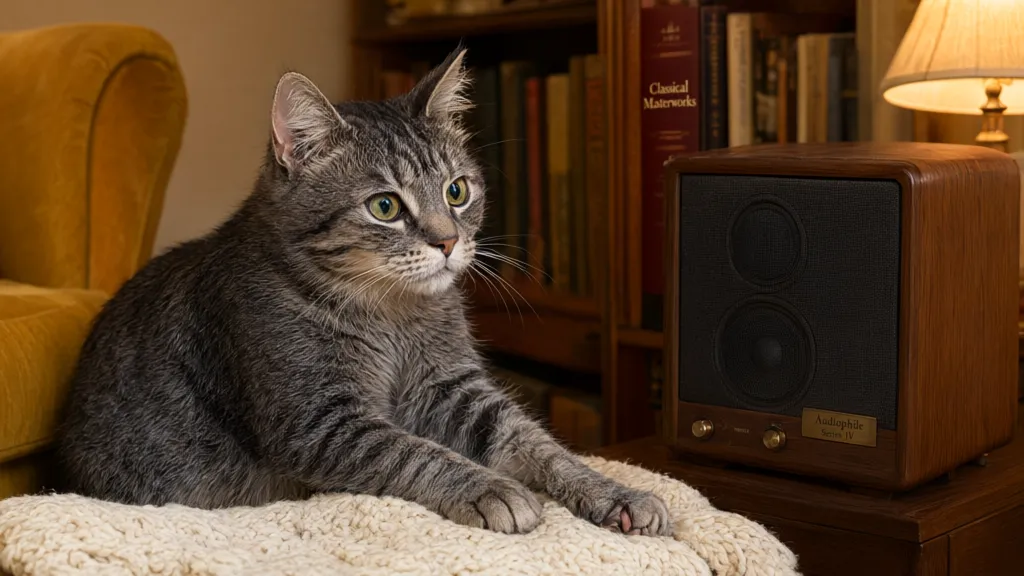
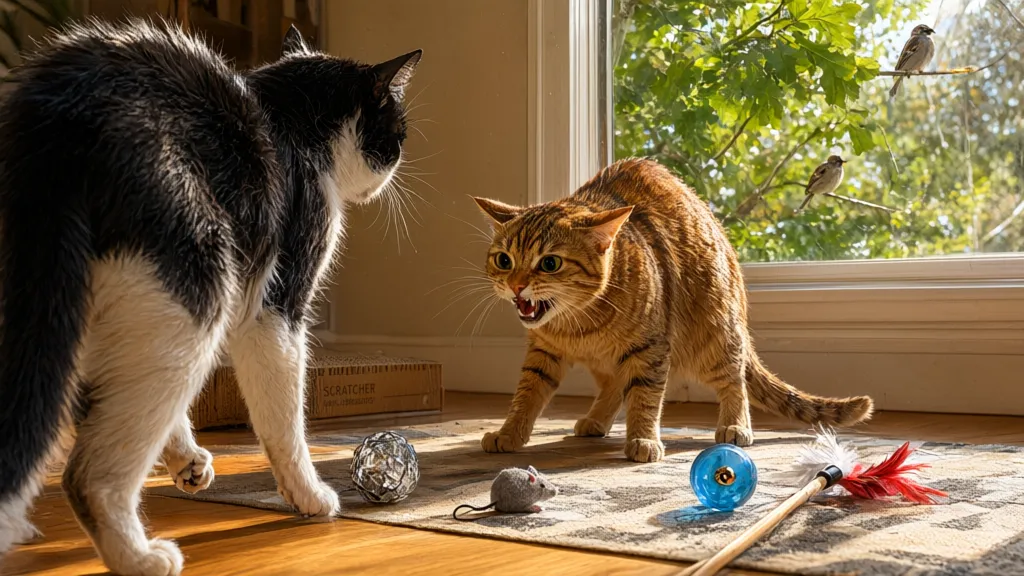
In multi-pet households, music therapy can assist in harmonizing interspecies interactions. When played at low volumes, soothing music can mitigate territorial disputes and promote cooperative behaviors among cats by creating a calm atmosphere. Observational studies indicate that during music therapy sessions, cats are less likely to engage in aggressive encounters, suggesting a unifying effect that can enhance harmony within the home environment.
It’s also noteworthy that age-specific responses to music can vary, wherein senior cats may particularly benefit from music therapy due to cognitive decline associated with aging. The auditory stimulation can assist in mental engagement, potentially thwarting some of the cognitive lapses experienced during geriatric decline. Reports have indicated that elderly cats exposed to structured auditory stimuli demonstrate improved alertness and social interaction compared to their counterparts without such stimuli.
Ultimately, the strategic application of music within a cat’s environment can significantly enhance their emotional and behavioral well-being. The success of music therapy relies not only on the choice of music but also on the attentiveness to individual preferences and the contextual backdrop. Monitoring cat responses through behavioral changes and adjusting musical selections accordingly allows for a tailored therapeutic approach that optimally benefits the feline patient.
Case studies and success stories
Several case studies have demonstrated the efficacy of music therapy in improving the behavioral health of cats in various settings. One notable instance involved a shelter that implemented music therapy to reduce anxiety and promote sociability among a group of feral cats transitioning to domestic life. The shelter observed that after regular exposure to soft classical music, the cats exhibited decreased signs of stress, such as reduced hiding and aggressive behaviors. The transformation was quantitatively assessed using cortisol level measurements before and after therapy sessions, showing a significant decline, indicating a physiological response to the auditory stimulus.
In a different setting, a veterinary clinic introduced music therapy during dental procedures for cats. Observational studies recorded decreased vocalization and agitation in cats when soothing melodies were played. Pre- and post-procedure assessments showed a marked difference in recovery times; cats that listened to tailored music exhibited quicker recovery, suggesting that the presence of music contributed to an environment conducive to relaxation and healing.
Additionally, a comparative study evaluated the effects of music therapy in a multi-cat household. Owners reported that their cats displayed enhanced cooperative behavior during the integration period of a new feline family member when soft, calming music was used. This intervention minimized conflicts and allowed for smoother adjustments within the household dynamic. The supportive role of music was evident, with owners noting a reduction in aggressive postures and an increase in social grooming and play behaviors, illustrating the potential of music in fostering harmony among resident cats.
Another compelling example focused on senior cats at a rescue organization. Those receiving regular music therapy exhibited notable improvements in social engagement and activity levels compared to their counterparts who did not receive musical exposure. The structured auditory stimuli were found to improve cognitive function, as indicated by increased interaction with caregivers and enrichment activities. The older cats responded positively to specific compositions aimed at stimulating memory and motivation, contributing to their overall quality of life.
Moreover, anecdotal evidence from therapists working in animal-assisted therapy programs highlights the profound impact of live music on feline patients. One facilitator incorporated gentle acoustic guitar sessions into therapy protocols for cats recovering from trauma. Reports indicated that the cats not only engaged more with the therapist and equipment during sessions but also displayed fewer signs of hyperarousal, which is often common in post-traumatic stress. Through continued exposure, there was a discernible shift towards calmer behavior and increased willingness to explore their environment.
These case studies underscore the significant role that music therapy can play in enhancing the emotional well-being of cats across various contexts. By tailoring interventions, monitoring responses, and adjusting musical selections according to individual and situational needs, practitioners can effectively leverage music as a therapeutic tool to promote healing and enhance the quality of life for feline patients.