Exposure to sunlight plays a significant role in the physiological health of felines, influencing various metabolic processes and behaviors. Ultraviolet (UV) light very important for vitamin D synthesis, which supports calcium absorption and bone health. Cats, unlike humans, primarily obtain vitamin D through their diet; however, sunlight exposure enhances its effectiveness, contributing to optimal skeletal integrity.
Sunlight also affects the synthesis of other essential hormones. It facilitates the production of serotonin, a neurotransmitter linked to mood regulation, which can alleviate stress and anxiety in cats. Increased serotonin levels correlate with improved behavioral responses, an important factor in multi-pet households where stress can lead to aggression or social withdrawal.
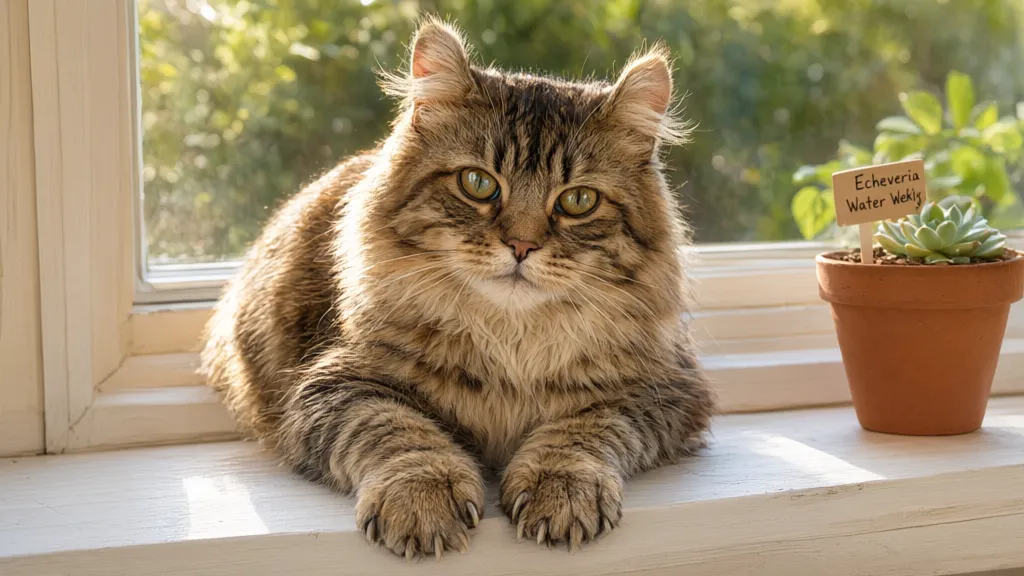
Visibly, cats exhibit instinctive behavior towards sunlight, often seeking out warm, sunlit areas. This behavior is not merely for comfort; it serves to regulate body temperature, especially in older or ill cats where thermoregulation may be compromised. Furthermore, basking aids in maintaining optimal organ function by enhancing circulation and promoting tissue repair through increased blood flow.
Sunlight exposure can also enhance the quality of life in indoor cats by stimulating physical activity. When provided access to sunny windowsills, cats are more likely to engage in playful behavior, increasing their overall physical fitness and combating sedentary lifestyles associated with indoor living. This is particularly relevant in breeds such as the Abyssinian or Bengal, known for their high energy levels and need for stimulation.

Delectables Squeeze Up Variety Pack, Creamy Squeezable Puree, Lickable Wet Cat Treats, Grain Free, No Added Fillers, No By-Products, No Added Preservatives, 0.5 Ounces Tube, 24 Tubes Total
EUR 9.93 (as of September 23, 2026 14:31 GMT +00:00 - More infoProduct prices and availability are accurate as of the date/time indicated and are subject to change. Any price and availability information displayed on [relevant Amazon Site(s), as applicable] at the time of purchase will apply to the purchase of this product.)Exposure to natural light can aid in regulating the circadian rhythms of cats. Disruption to these rhythms can cause sleep disturbances, lethargy, and behavioral issues. Sunlight helps establish a natural day-night cycle, promoting healthy sleep patterns essential for mental and physical well-being.
Moreover, sunlight exposure has antimicrobial properties, contributing to skin health by inhibiting the growth of certain fungi and bacteria. Cats with a history of dermatological issues or those prone to skin infections may benefit from monitored sunlight exposure, as long as precautions are taken to prevent overheating or sunburn. Light therapy can also be used in cases of certain skin conditions, such as dermatitis or psoriasis.
Lastly, behavioral observations illustrate that cats benefit from solar exposure not only physically but mentally, as it satisfies their natural instincts to hunt and explore. The act of sunbathing can mimic the experience of stalking and ambushing prey when they’re engaged in their natural hunting behaviors, demonstrating the intricate link between physical health, behavioral enrichment, and environmental wellbeing.
Understanding feline behavior in sunlight
Feline behavior in sunlight is deeply intertwined with their evolutionary adaptations and instinctual tendencies. Cats are naturally inclined to seek warmth and light, which enhances their ability to regulate body temperature. In the wild, felines often bask in the sun to conserve energy, as lower ambient temperatures require greater metabolic expenditure for thermoregulation. This behavior is particularly pronounced in breeds such as the Siamese, known for their affectionate temperament, who demonstrate a strong preference for warm environments.
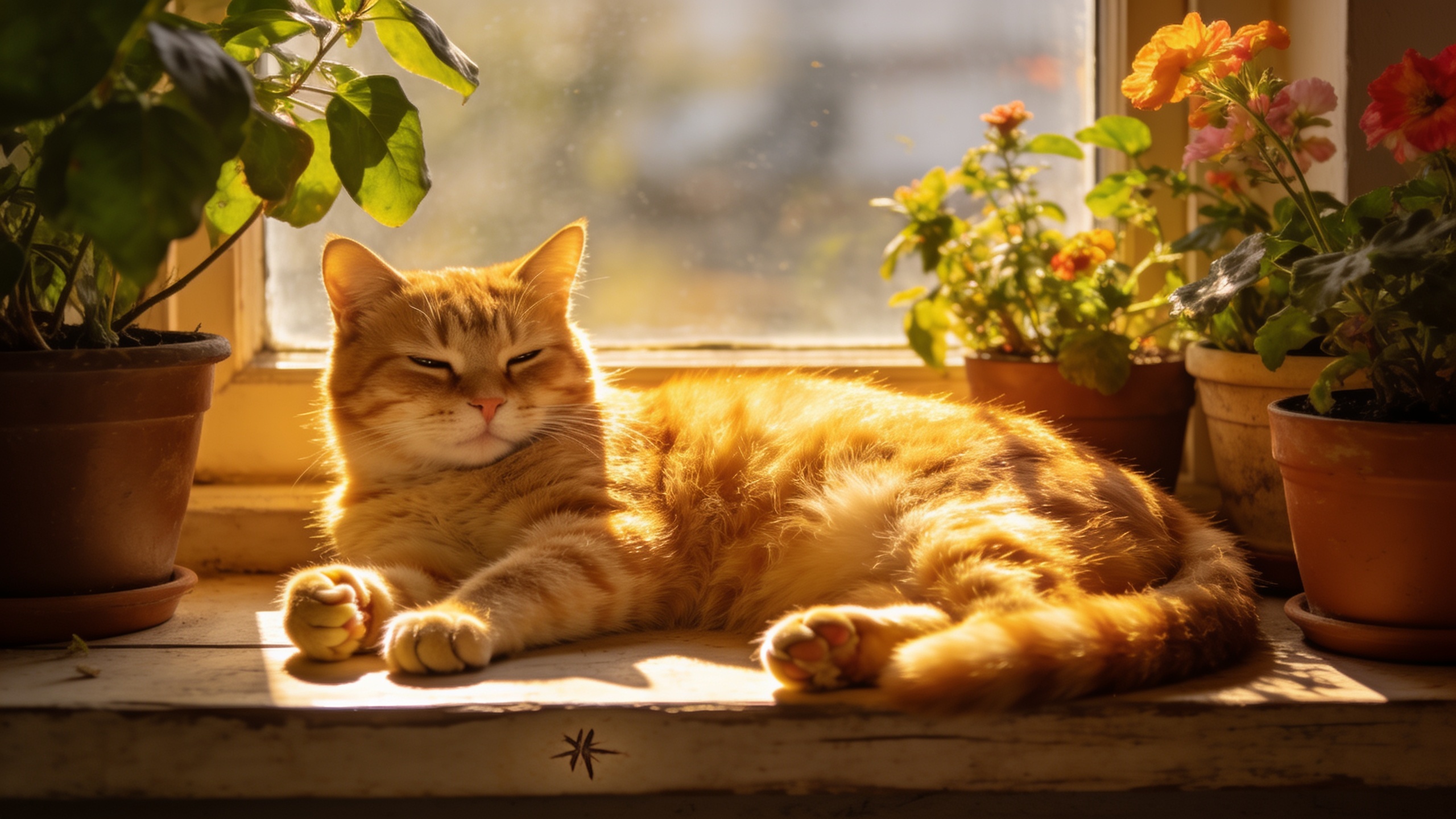
When exposed to sunlight, cats display specific behavioral patterns indicative of their comfort levels. Sunbathing, or lying sprawled out in warm sun patches, signifies relaxation and security. This behavior can serve as a stress-reduction mechanism; however, observing the duration and frequency of sunlight exposure is critical, as excessive basking might indicate an underlying health issue, such as hyperthyroidism or skin sensitivities.
The visual appetite for sunlight also influences social behaviors among cats. In multi-cat households, access to sunny spots can mitigate territorial disputes, providing an area of shared comfort. Felis catus typically engages in social grooming and playful behavior in these environments, reinforcing bonds. However, aggressive behaviors may arise if a particular cat monopolizes sunlit spaces, suggesting the need for behavioral observation and possible environmental adjustments.
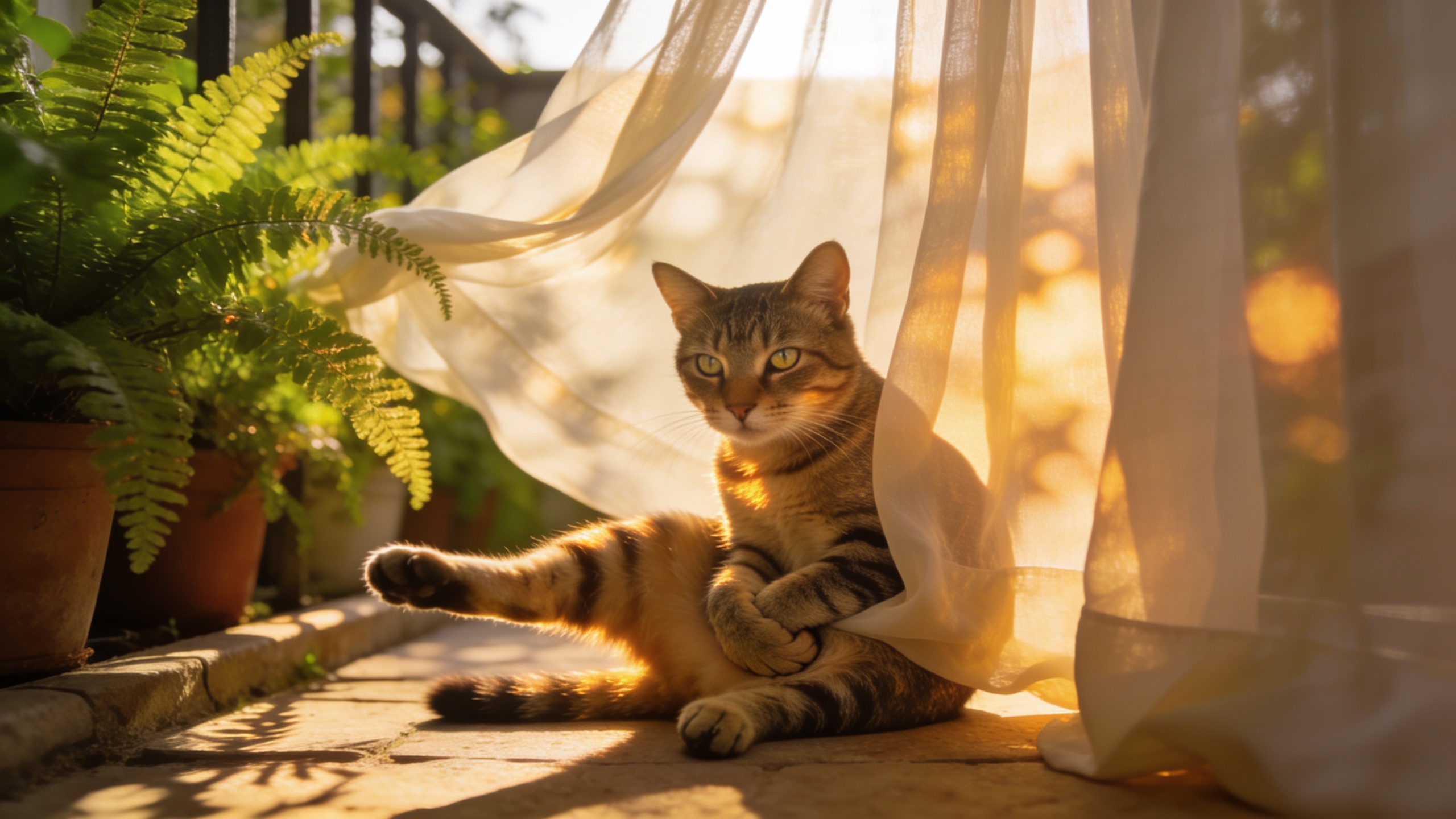
Behavioral responses to sunlight extend into nocturnal activity patterns as well. Sunlight helps synchronize biological clocks, thereby reinforcing diurnal activity during daylight hours. Cats exposed to consistent natural light cycles exhibit healthier sleep-wake patterns, improving their overall well-being. Conversely, disruptions from artificial lighting can lead to increased nocturnal behaviors, resulting in higher incidences of nighttime play or agitation.
Monitoring a cat’s reactions to sunlight is essential for optimal welfare. Signs of discomfort, such as excessive grooming or hiding, can indicate overexposure might lead to burns or heat stress. Providing shaded areas and monitoring for signs of overheating, like panting or lethargy, are crucial in preventing adverse effects. In addition, breed-specific considerations must be made; for example, breeds with lighter fur may be more susceptible to UV damage, necessitating careful management of sunlight exposure duration and intensity.
Cats also respond to sunlight through behavioral mimicry of hunting instincts, as ultraviolet light enhances their ability to perceive movements normally lost in low-light conditions. Providing structured time in sunlit areas can encourage natural predatory play behavior, which is vital for both mental stimulation and physical agility, particularly in indoor cats who may lack other avenues for exercise. This relationship between sunlight exposure and instinctual behavior underscores the importance of making sunlit environments accessible while being sensitive to individual cat needs and responses.
Safe ways to provide sunlight exposure
To ensure safe exposure to sunlight for cats, create a controlled environment that allows for sunbathing while mitigating potential risks. Begin by identifying spaces in the home that receive direct sunlight for significant portions of the day. Windowsills, cat trees near windows, or specially designed perches can be excellent areas for your cat to bask in sunlight. Ensure these spots are free from drafts and potential hazards such as unsecured screens that could lead to falls.
When providing sunlight exposure, monitor the duration of time your cat spends basking. While some cats may enjoy extended periods in the sun, each feline has different tolerance levels based on coat type, age, and health status. For example, older or hairless breeds like the Sphynx can be more prone to overheating or sunburn, thus shorter exposure times are recommended. Generally, aim for sessions of 15 to 30 minutes, observing your cat’s behavior for signs of discomfort or excessive heat.
Introduce shaded areas nearby where your cat can retreat if it begins to feel too warm. This could include using window shades, curtains, or potted plants to provide options for cooler microenvironments. This strategic placement not only gives your cat autonomy but helps prevent potential heat-related issues, which can manifest as panting, lethargy, or signs of agitation.
Be aware of the increased risk for skin damage in specific breeds, particularly those with lighter or thinner fur. Regularly check the skin for any signs of irritation or burns, especially on exposed areas such as the ears, nose, and underbelly. If you observe any abnormalities, adjust the duration and frequency of sunlight exposure, and consult a veterinarian for tailored advice.
Using protective measures can enhance safety. Some cat owners may opt for pet-safe sunblock on vulnerable areas for short periods, while others may consider specialized UV-blocking screens or window film to reduce harmful exposure while still allowing natural light to enter. These options can greatly minimize the risk of skin conditions while still providing the benefits of sunlight.
Structured playtime in sunlight can be beneficial. Engage your cat in interactive activities using feather wands or laser pointers within sunlit areas. This not only increases physical activity but also satisfies predatory instincts, turning passive sun-basking into a dynamic experience. Ensure to provide plenty of water nearby to keep your cat hydrated, especially after active play sessions in warm conditions.
Fostering a safe sunlit environment for your cat requires a balance of accessibility, monitoring, and protective measures. Observational vigilance is key; any signs of excessive grooming, unusual behaviors, or discomfort should prompt immediate adjustment in their exposure routine. By tailoring sunlight access to your cat’s specific needs, you can enhance their well-being while minimizing health risks.